
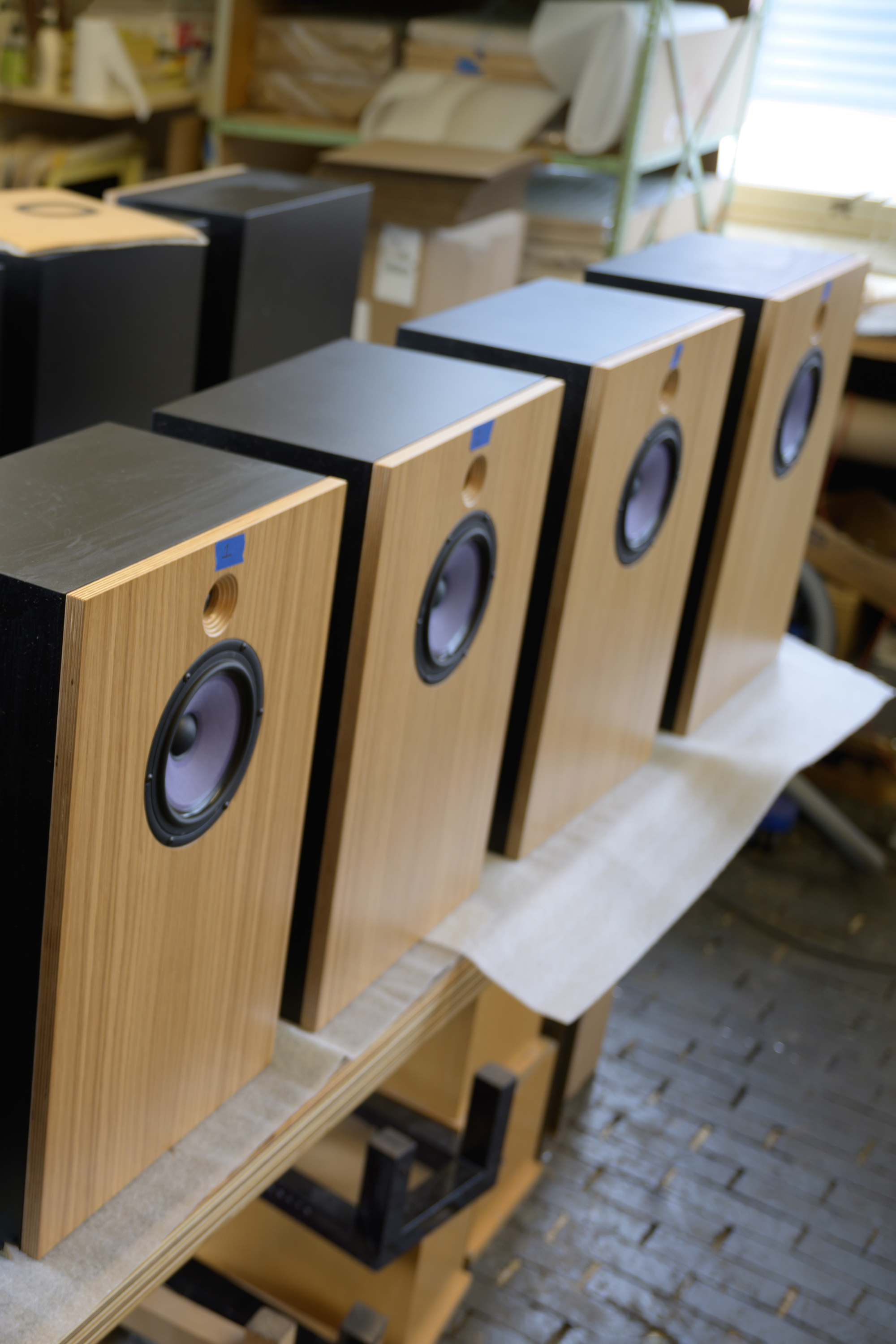
DeVore Orangutan O/baby
Recenzje
Recenzja DeVore Orangutan O/Baby w Stereophile
The O/baby's exacting, revealing, supersilky treble resolved not just the title track's swoop swoop swoop hi-hat eighth notes but also the perky hi-hat 16th notes above. The speaker's precise treble focus and upper-midrange clarity provided constant surprise and delight. The O/babies reproduced the recent Craft Recordings reissue of Art Pepper's Art Pepper Meets the Rhythm Section (LP, Contemporary Records C 3532/Craft CR00382) with resonance, depth, and ambience I didn't know existed on that record.
I understood what John DeVore meant when he called the O/baby "a miniature O/96"; the surprise is that in some ways it bettered the O/96. As deployed on the O/baby, the shared tweeter may lack the "pricey bronze mounts and horn outer parts" used in the $100,000/pair Orangutan O/Reference system, but it made the O/baby seem more transparent than its larger sibling, faster on its feet. The midrange is similarly rich and see-through, and as I've said, in my small room, the O/baby's bass was tight and well defined.
Listening through the O/babies was like getting a new, slightly more powerful set of prescription eyeglasses. The music snapped into focus, with gains in immediacy, detail, and resolution. Even the musical context was clarified as the ambience became more distinct. It all cohered; whole is the operative word with the O/babies.
If you've wanted to experience the DeVore sound but have a smaller room, this speaker was made for you. If you've wanted to sample DeVore Fidelity but at a lower price: ditto. The O/baby's top end is sweetly extended, supertransparent, and informative—probably beyond its older, larger, more expensive Orangutan siblings, both of which spent years in this room. Its midrange is rich but also transparent, in keeping with the DeVore house sound. The low-end delivered everything that mattered on my jazz, electronic, and hip-hop albums with, in this room, more clarity and better control than the larger DeVores.
John DeVore named these speakers "O/baby," cutely and appropriately, but these babies pack a mighty, two-fisted wallop.
Link do recenzji: DeVore Orangutan O/Baby – Stereophile
Recenzja DeVore Orangutan O/Baby w Hi-Fi News
What was immediately apparent, after a few weeks listening solely to LS3/5As for our recent round-up [HFN Jun '23], was that the midband and the soundstage of the O/baby were giving me exactly what I love – no, make that worship – in the aforementioned BBC miniature. It was so instantaneous that I was rendered speechless (literally, not figuratively) such was the shock of the O/baby's initial burst.
Dealing with such extremes, it was only natural that I also turned to recordings as good as I have ever experienced. I put on Roger Williams' Academy Award Winners [Kapp KTL4082, open-reel tape], his piano readings of 'Gigi', 'Days Of Wine And Roses' and other film score classics, with the backing of a large orchestra. Oh, baby…
When a loudspeaker this size places a grand piano in my room, something magical is happening. The dimensions were so lifelike that I was hearing layers of sound above and outside the edges of the O/babies. It almost goes without saying that the piano appeared as lifelike as the real one that sits 14in from my writing desk.
Then came Martin Denny's Hawaii [Liberty STL-7488C, open reel tape], music reinterpreted from the film, including 'Sukiyaki' aka Kyu Sakamoto's 'Ue O Muite' with astounding percussion to match Ringo's work on Abbey Road, above. But the coup de grace? The opening salvos of The Eagles' The Long Run [Mobile Fidelity UDSACD2234 SACD], where you could hear the stretching of the skins on the drums.
DeVore's O/baby is, as far as my 53 years as an audiophile and 43 as a devotee of the LS3/5A allow me to judge, exactly what has been eluding me. Not only does it let me indulge in all of the virtues of that tiny BBC monitor (which maintains its supremacy for its size), but with lower octave reach and maximum levels needed either to fill a large room or simply to satisfy a taste for either deeper bass or more SPLs.
Most specifically, the O/baby replicates the imaging and midband vocal reproduction that characterises the LS3/5A and which I have never truly found until now in a larger system, irrespective of the bonuses of added bass or greater playback levels. So I will leave you with an analogy, as hackneyed as any but the only one I can muster: imagine your favourite car, then double the horsepower. This is no baby. It's a giant.
Link do recenzji: DeVore Orangutan O/Baby – Hi-Fi News
Recenzja DeVore Orangutan O/Baby w Hi-Fi+
What the O/baby does with sublime ease is use its effortless sensitivity to demonstrate a speed and sheer immediacy that can leave many narrow baffle rivals sounding languid. The title track of John Grant’s Pale Green Ghosts [Bella Union] articulates the deep electronic underpinnings that would genuinely qualify as urgent if there wasn’t such an effortlessness to the way it happens. This is the antithesis of the idea of ‘grip’. It’s a driver being bludgeoned into starting and stopping with absolute precision, but such is the natural fluency, and the effect is no less engaging.
This agility is, if anything, a footnote to a selection of other talents that make for a sublime listening experience. I place speakers relatively wide apart. The DeVore Fidelity O/baby needed some toe-in to dial in. Once this is done, the image they create is utterly spellbinding. How they give the required space to the orchestra in Public Service Broadcasting’s This New Noise [Test Card Recordings] feels so intrinsically ‘right’ that going back to even very accomplished resident speakers feels a little like donning headphones. This is not the same type of ‘immersive audio’ as the one that requires umpteen speakers splattered across your walls and ceiling, but the effect it has on your perception of the music is uncannily similar.
The tonal balance of the DeVore Fidelity is also hugely appealing. The O/baby is soft at the frequency extremes by metal dome standards. However, it is hugely refined across the upper registers. The caveat is that the DeVore Fidelity might be the most adept speaker at handling less-than-stellar recordings I’ve tested this year. There’s also no lack of clarity and detail in the material either. The Punch Brothers’ haunting cover of ‘The Wreck of the Edmund Fitzgerald’ on Hell on Church Street [Nonesuch] is packed with the nuances that bring the performance to life. The O/baby handles the build in scale with effortless ease.
The upper registers feed seamlessly into a midrange that balances being full-bodied and tangible. It has you reaching for all recordings you know will luxuriate in the performance on offer while avoiding the feeling that the rest of the response is an afterthought.
In fact, ‘compelling’ is a neat one-word summary of what DeVore Fidelity has built here. The DeVore Fidelity O/baby is a concentrated dose of what makes larger Orangutan speakers such an addictive listening experience. That combination of remarkable docility and user-friendliness is hard to beat. Even if you aren’t looking for a wide baffle, high-sensitivity speaker, it might be just the ticket for any system. The O/baby is everything that genuinely great hi-fi should be. It represents one of the very best speakers available under ten grand.
Link do recenzji: DeVore Orangutan O/Baby – Hi-Fi+
Recenzja DeVore Orangutan O/Baby w Ecoustics
But what they do exceptionally well for such a small loudspeaker is deliver presence, texture, and the vibrancy of music — far more convincingly than other speakers in the category.
Listening to a number of indie rock vinyl recordings, I was immediately struck by the mid bass punch and organic feel of the presentation.
When we switched over to jazz, the O/baby demonstrated that it’s a very intense and emotional listen; horns were pulled forward but with texture and excellent decay.
The bottom end is tight and quick but I wouldn’t expect the impact of the larger loudspeakers in the series.
A lot of high-end loudspeakers attempt to reproduce the scale of a piano; many of them fail miserably at it. The O/baby succeeds despite its size and with incredible tonal weight and presence.
Listening to Monk, Art Tatum, McCoy Tyner, and Bud Powell — one can’t help but be amazed by how good these little loudspeakers are with jazz piano recordings.
The width of the baffle does not restrict the size of the soundstage and there is a lively feel to the 0/baby that everyone present in the room found quiet beguiling. The O/baby doesn’t deliver the precise imaging of the DeVore Silverbacks but instruments have more body and presence.
The two aspects of the presentation that still stand out are the mid bass punch from such a small driver and cabinet, and the presence in the room.
Neutral they are not. And thank G-d for that.
Get the amplifier correct and these can hit one hard emotionally with some recordings.
Link do recenzji: DeVore Orangutan O/Baby – Ecoustics
Recenzja DeVore Orangutan O/Baby w The Audio Beatnik
When I unpacked the O/Baby speakers, I was surprised by how small the cabinets are. I shouldn’t have been. John performed a miracle to get this kind of dynamics, scale, life, and transparency out of such a small speaker. The tunefulness and lack of crossover distortion is amazing for their size. They get the essentials right. The sound defies their size by many times.
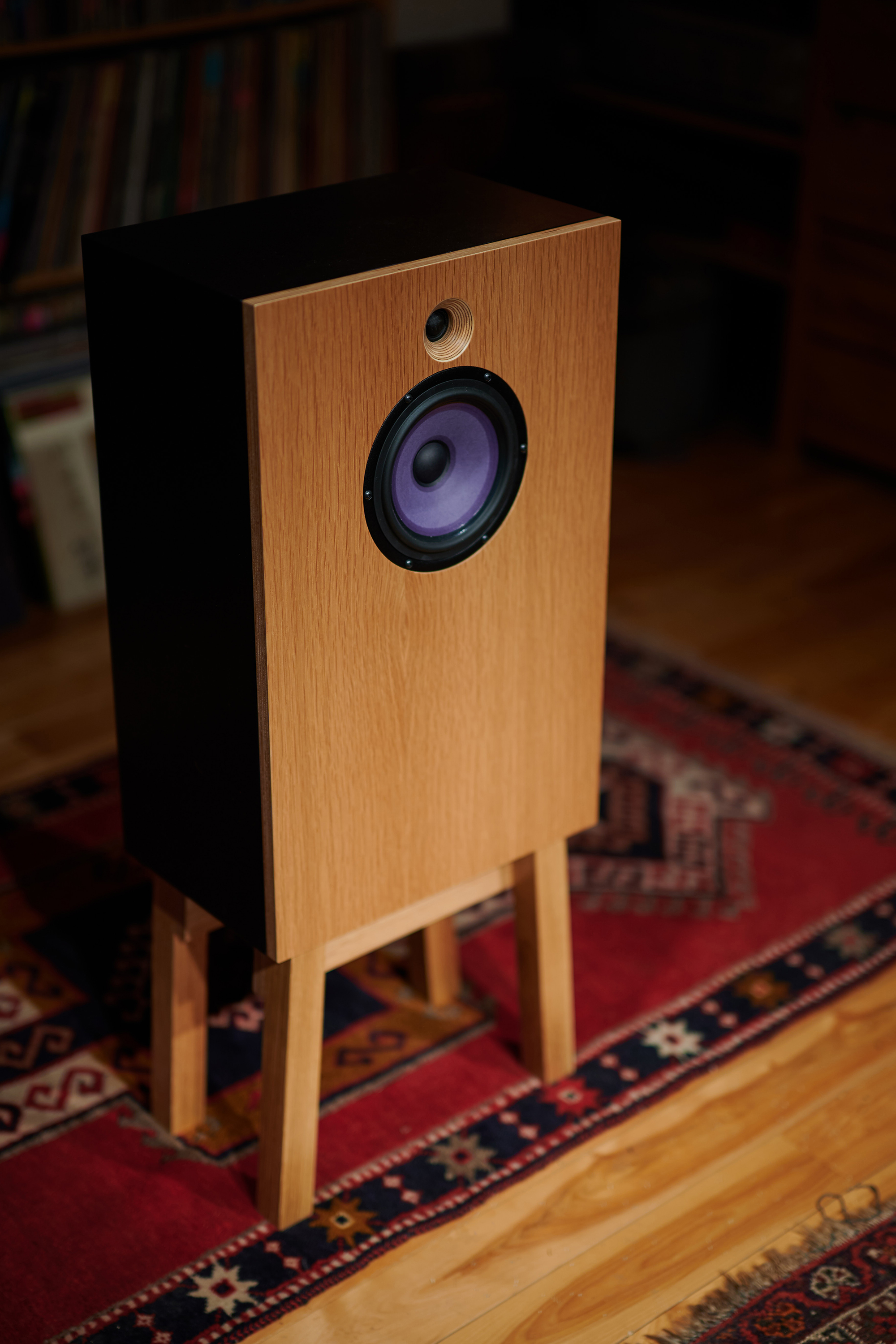
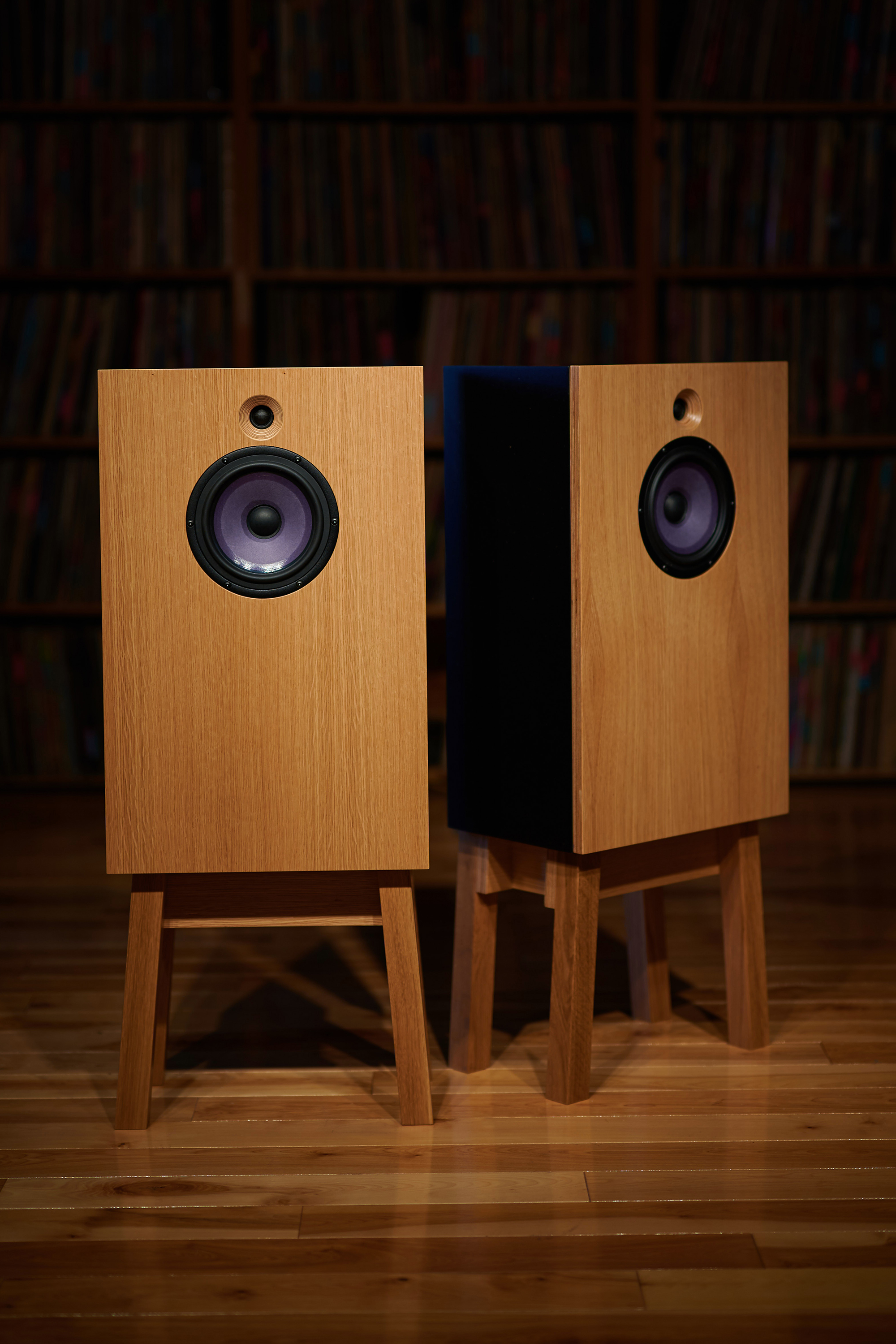
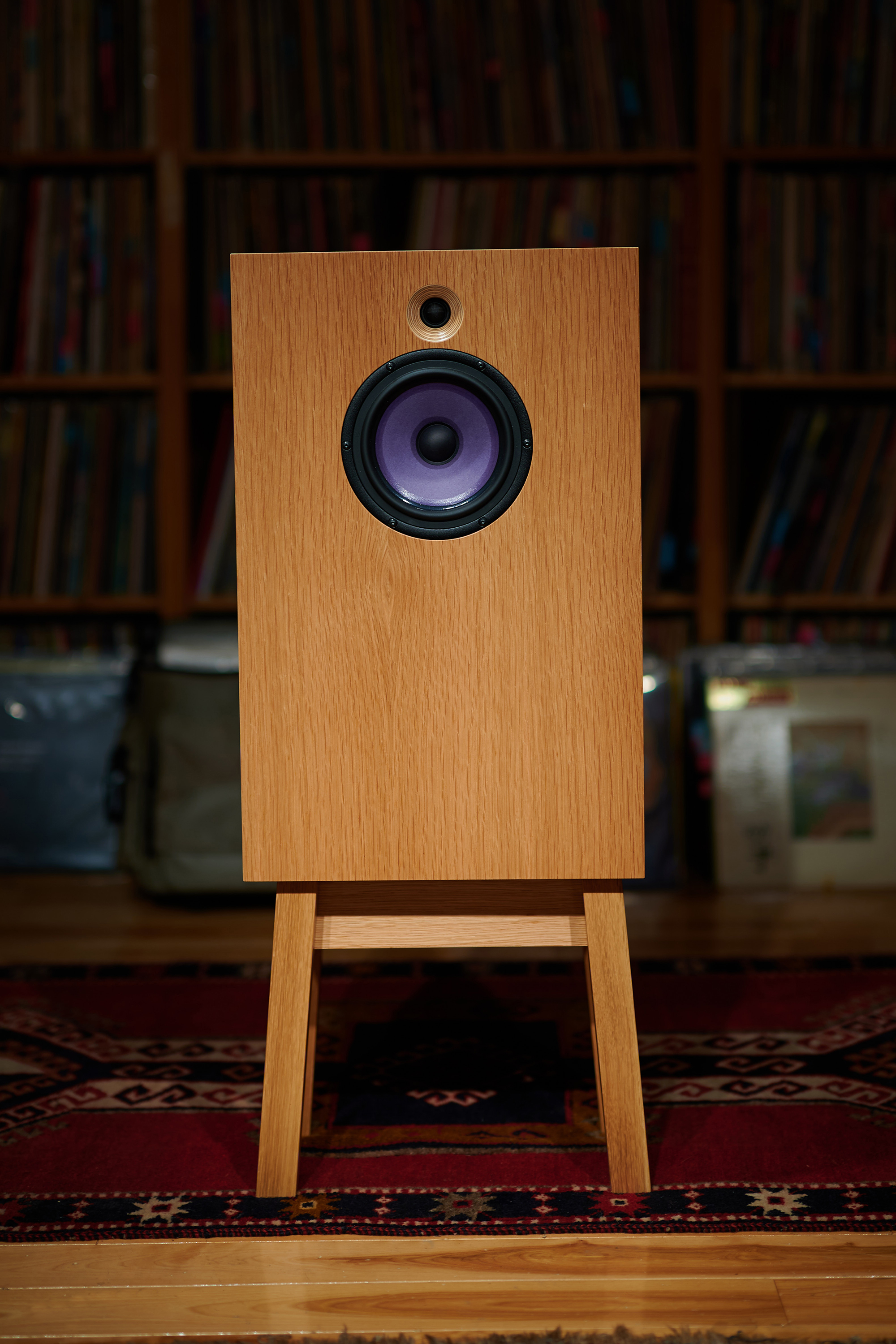
In several ways, the O/Baby speakers remind me of the Teresonic Ingeniums ($20,000) single-driver speakers that I owned for so many years. The O/Baby speakers have that same incredible aliveness about them. They are a simple two-way design with the tweeter mounted very close to the midrange/bass driver. This design results in a coherency similar to that of single-driver speakers.
The O/Baby Speakers have a raw liveliness to them that is absolutely intoxicating. They are also very articulate speakers, and the voices were very realistic and easy to understand.
Voices in the music also sounded very alive. They were very articulate but natural at the same time. When listening to Alison Krauss, the O/Baby’s ability to recreate the harmony and the interplay of the voices was just incredible. When I listened to the two new Patricia Barber recordings released on DSD, I was astonished by how alive a recorded voice could sound. It was astounding how realistic the upright bass sounded on these albums.
On live recordings, such as Peter, Paul, and Mary at Carnegie Hall, you will hear all of the air around the coughs, whispers, and giggles of the audience. Recordings have a very real sound, and this aliveness is intoxicating.
When it comes to PRAT, the O/Baby speakers stand out in comparison to other speakers that I have heard. It’s stunning how well the bass carries the rhythm, momentum, and beat of the music. It was hard for me to sit still when listening to the O/Baby speakers. When they played music, it was almost impossible for me to take notes or write. I just wanted to listen.
Another area where the O/Baby speakers rise to the top is in imaging. They produce a more than adequate soundstage. Their soundstage, while not as wide and deep as that of my DeVore gibbon Super Nines. However, the imaging within that soundstage is spectacular. The O/Baby speakers produce images of instruments and vocals that convey precise spatial information.
Link do recenzji: DeVore Orangutan O/Baby – The Audio Beatnik
Recenzja DeVore Orangutan O/Baby w HiFi.nl
Het is voor een muziekliefhebber namelijk vrijwel onmogelijk om de O/Baby niet na een paar nummers in zijn hart te sluiten. Niet omdat hij perfect is – dat is geen enkele luidspreker – maar omdat hij zoveel biedt van alles dat van naar muziek luisteren muziekbeleving maakt, en er naar tegenwoordige high end normen zo weinig voor terugvraagt. Het is geen luidspreker die pas gaat ´zingen´ nadat je ze minitieus met behulp van lasers op de luisterpositie hebt uitgericht, je huiskamer tot een geluidsstudio hebt omgebouwd en eindeloos met kabels, spikes en andere parafernalia hebt geexperimenteerd.
Het klinkt vriendelijk, ontspannend, rijk aan klankkleuren en het geluidbeeld is groter dan je op basis van het formaat van de luidsprekers zou vermoeden, maar het is tegelijkertijd sprankelend, dynamisch, snel en ´schoon´. Omdat de hogetonenweergever van oorsprong een supertweeter is, loopt het hoog volgens specificatie tot ver buiten het normale gehoorbereik door; er is veel detail en ´lucht´ tussen de instrumenten hoorbaar. En toch wordt het nooit koud, analytisch, vermoeiend en al helemaal niet agressief. Het laag loopt natuurlijk niet oneindig ver door, maar het is in een kleinere tot gemiddelde huiskamer heel eenvoudig een situatie te bereiken die je als ´precies goed´ ervaart – geen gedreun of gebonk, maar ook niet slank of amechtig, in volstrekte balans met de octaven erboven, met veel definitie, rijkdom en ´punch´ – veel meer dan je op basis van de afmetingen van de luidsprekerunit zelf verwacht. Hier spelen het relatief grote kastvolume en de geslaagde afstemming van de basreflexpoort waarschijnlijk een belangrijke rol.
De O/Babies klinken bovenal zo natuurlijk, de stemmen en instrumenten staan zo overtuigend fysiek in de ruimte, dat je je als vanzelf gaat afvragen of ´meer´ niet in veel opzichten ´minder´ is.
Tweewegluidsprekers met eenvoudige wisselfilters zijn dan misschien niet in staat tot aardverschuivend laag (dat in de allermeeste ´normale´ ruimtes vooral problemen veroorzaakt) of extreme dynamiek, maar de voordelen – integratie van de luidsprekerunits, beperkte signaaldegradatie door het passieve wisselfilter – maken dat zo´n luidspreker, wanneer de maker ervan deze voordelen maximaal weet uit te buiten, binnen eerder genoemde grenzen een boeiende, directe en emotioneel involverende weergave kan bieden die met complexere luidsprekersystemen moeilijk te evenaren is. De O/Baby is bij uitstek zo´n weergever, eentje die je onmiddellijk bij de muziek - in welk genre dan ook - betrekt en waarvan je al snel gaat houden.
Link do recenzji: DeVore Orangutan O/Baby – HiFi.nl
Recenzja DeVore Orangutan O/Baby w hifitest.de
Egal was ich gespielt habe, die O/Babys lenkten sie genau in meine Seele und das liegt auch daran, dass John DeVore alle Lautsprecher so abstimmt, dass sie mit jedweder Musik authentisch und natürlich klingen. Tun sie das nicht, arbeitet er weiter. Bei der O/Baby muss er nichts, aber auch gar nichts mehr tun. Ich höre nicht den ganzen Tag Musik, damit meine Wahrnehmung frisch bleibt, vor allem brauche ich zu Hause keine Reizüberflutung. Mit den O/Babys war das anders, denn ich wusste, dass unsere Zeit erst einmal begrenzt war. Also hörte ich bei jeder Gelegenheit damit, auch in der Badewanne oder um die Ecke im Schlafzimmer. So zum Beispiel aus der wundervollen „Original Source“-Serie der Deutschen Grammophon Mozarts Konzert für Klavier und Orchester Nr. 27 mit Friedrich Gulda. Einen derart natürlichen Klavierklang habe ich noch nie gehört – wobei das nicht stimmt, denn die kleine Schwester micr/O hat den auch: ultradynamisch und feinst zugleich. Ich höre die Filze, ich spüre die Finger beim Anschlag, ich bin völlig begeistert von der Akkuratesse, dem Timbre und der Transparenz der O/Babys.
Die Präsenz dieser Lautsprecher, besser wie sie Musik präsentieren, lässt mich zunehmend staunen – immer im Zusammenspiel mit den 22 Watt meiner Air Tight ATM-4 Röhrenendstufe. Egal ob mit der lange nicht erhältlichen LP „The Power Of Soul“ vom Drummer Idris Muhammad – DeVore war früher auch Jazz Drummer – oder mit der schier göttlichen Erhabenheit von Pergolesis Sonate in G-Dur für Violine und Basso continuo. Wie kann das nur sein? Ich nehme es zur Kenntnis und schwelge in der vielleicht coolsten Scheibe des wirklich viel zu früh verstorbenen Orgelgottes Joey DeFrancesco mit seinen Goodfellas. Wie herrlich groovt hier die abgedämpfte Gitarre, die mich an Pat Martino erinnert, der praktisch alle Höhen aus seinem Verstärker herausgedreht hatte. DeFrancescos Füße tanzen auf den Basslatten und ich kann den Aufnahmeraum fast physisch spüren. Die Aufnahme klingt so durchsichtig und fett zugleich, dass ich frage, wie das sein kann.
„Conversations With Myself“, Bill Evans` legendäre erste Soloeinspielung, transportiert mich in meine späte Jugendzeit zurück, als ich Jazz entdeckte und diese Aufnahme total weggetreten mit meinem Kopfhörer in mich einsinken ließ. Auch mit den O/Babys kann ich mich Evans´ genialen Harmoniereisen vollkommen überlassen. Ich wache sprichwörtlich erst wieder auf, als die Nadel in der Auslaufrille hängt. Und so geht es immer weiter. Kürzlich hat mir mein Lieblingsplattenhändler eine himmlische Einspielung auf Lyrita in die Hand gedrückt, auf der unter anderem Herbert Howells Elegy für Solovioline, Streichquartett und Streichorchester ist. So berührend, so zu Herz gehend, so unendlich zeitlos schön klingt das, ich würde mir wünsche, dass Sie das jetzt gerade auch so hören könnten. Mir fehlen fast die Kriterien, zu beschreiben, was ich erlebe, denn ich verstehe die Musik auf einmal in ihrer Gesamtheit und achte nicht mehr auf Details.
Link do recenzji: DeVore Orangutan O/Baby – hifitest.de
DeVore Orangutan O/baby
Nagrody
DeVore Orangutan O/Baby – Stereophile – Recommended Components 2026

Link: DeVore Orangutan O/Baby – Stereophile – Recommended Components 2026
DeVore Orangutan O/Baby – Stereophile – Recommended Components 2025

Link: DeVore Orangutan O/Baby – Stereophile – Recommended Components 2025
DeVore Orangutan O/Baby – HiFi.nl – Aanrader

DeVore Orangutan O/Baby– Hi-Fi News – Outstanding Product

Link: DeVore Orangutan O/Baby – Hi-Fi News – Outstanding Product
DeVore Orangutan O/Baby – HiFi.nl – 5-sterren award

DeVore Orangutan O/Baby – Stereophile – Recommended Components 2025

Link: DeVore Orangutan O/Baby – Stereophile – Recommended Components 2025
DeVore Orangutan O/Baby – Stereophile – Recommended Components 2024

Link: DeVore Orangutan O/Baby – Stereophile – Recommended Components 2024
DeVore Orangutan O/Baby – Stereophile – Recommended Components 2024

Link: DeVore Orangutan O/Baby – Stereophile – Recommended Components 2024
DeVore Orangutan O/baby
Galeria
Zobacz także

Devore Fidelity
Cennik
Cennik DeVore Fildelity
Link: Cennik DeVore Fidelity
Devore
Dealerzy
Dealerzy Devore Fidelity
Link: Dealerzy Devore Fidelity