
Marten Coltrane Quintet
Dane techniczne
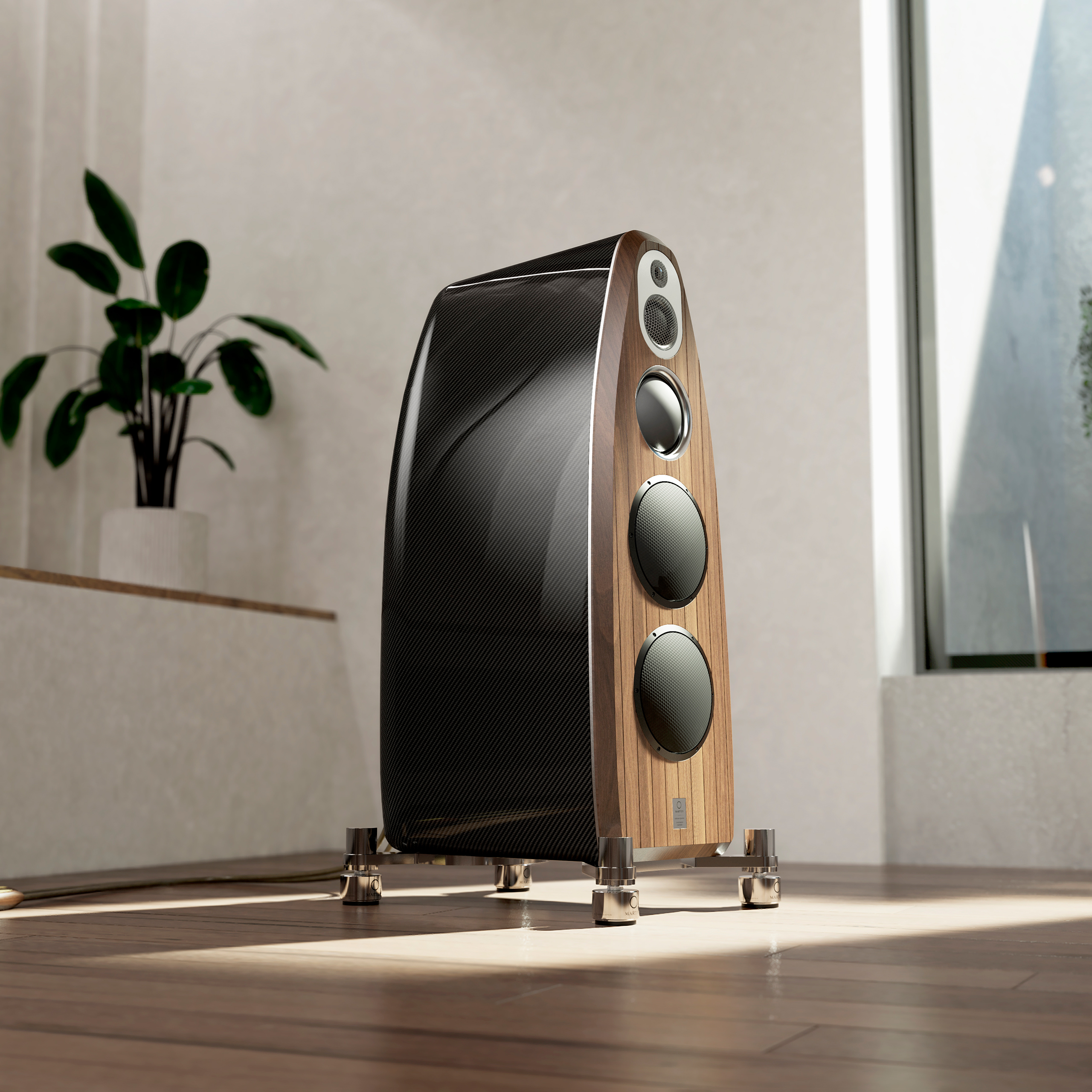
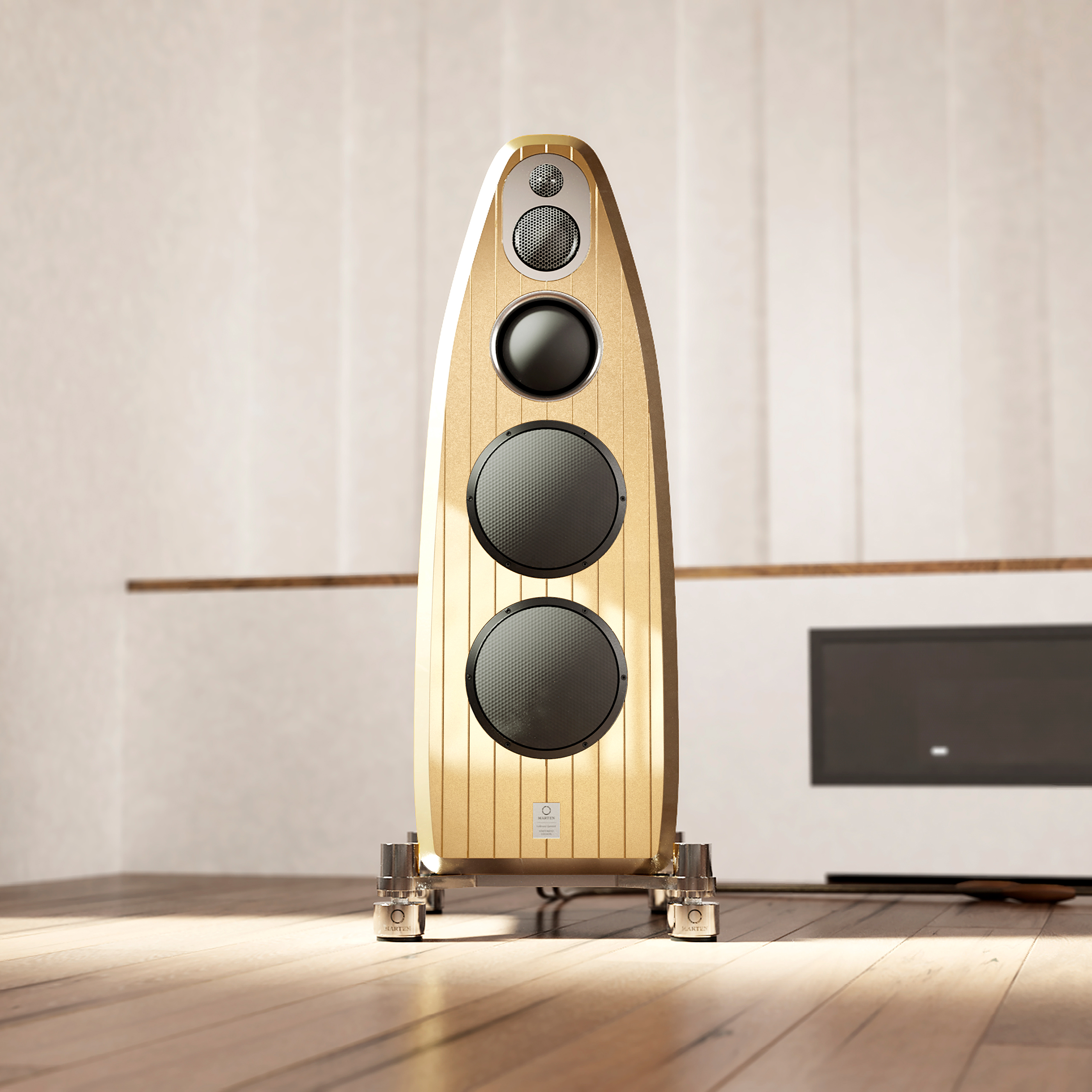
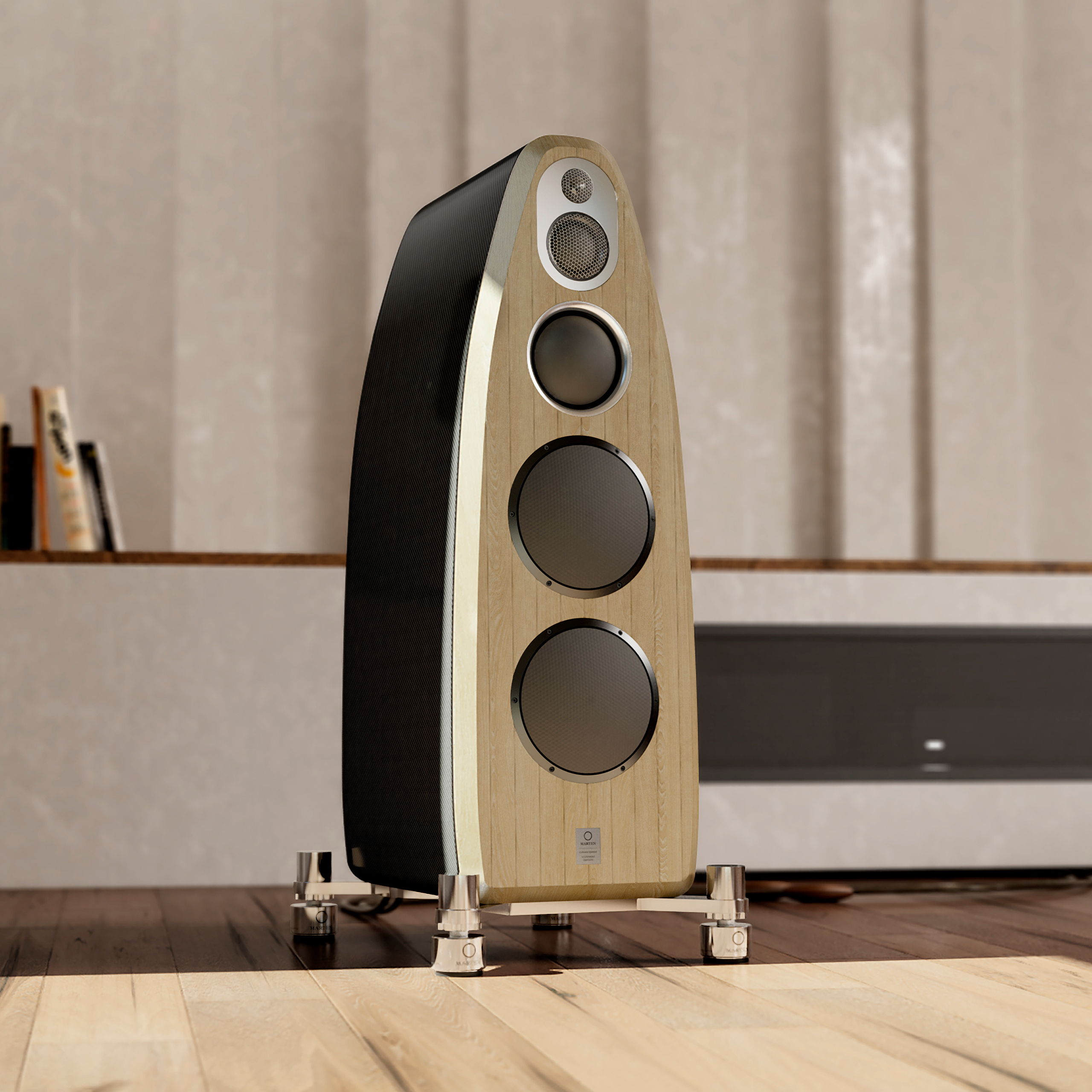
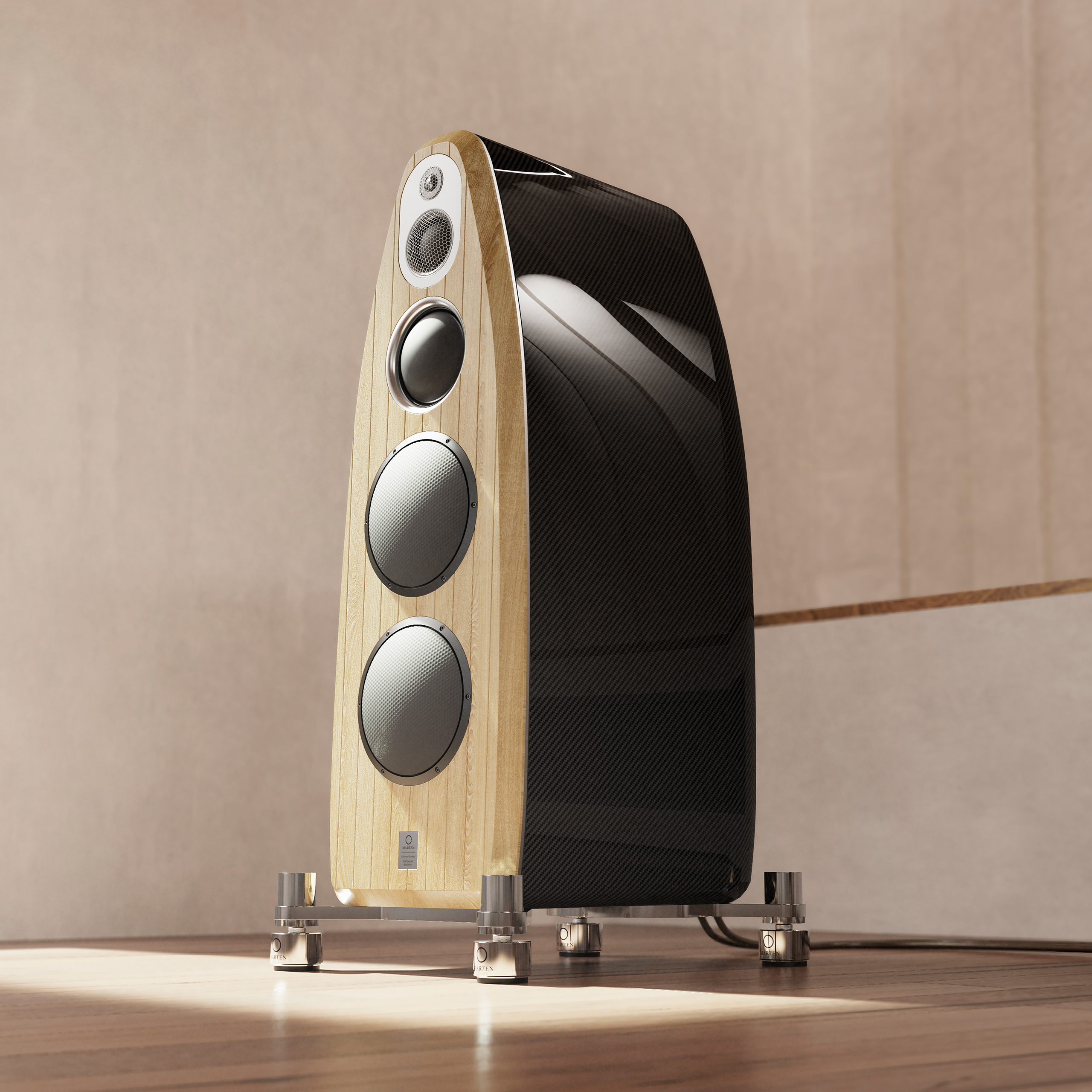
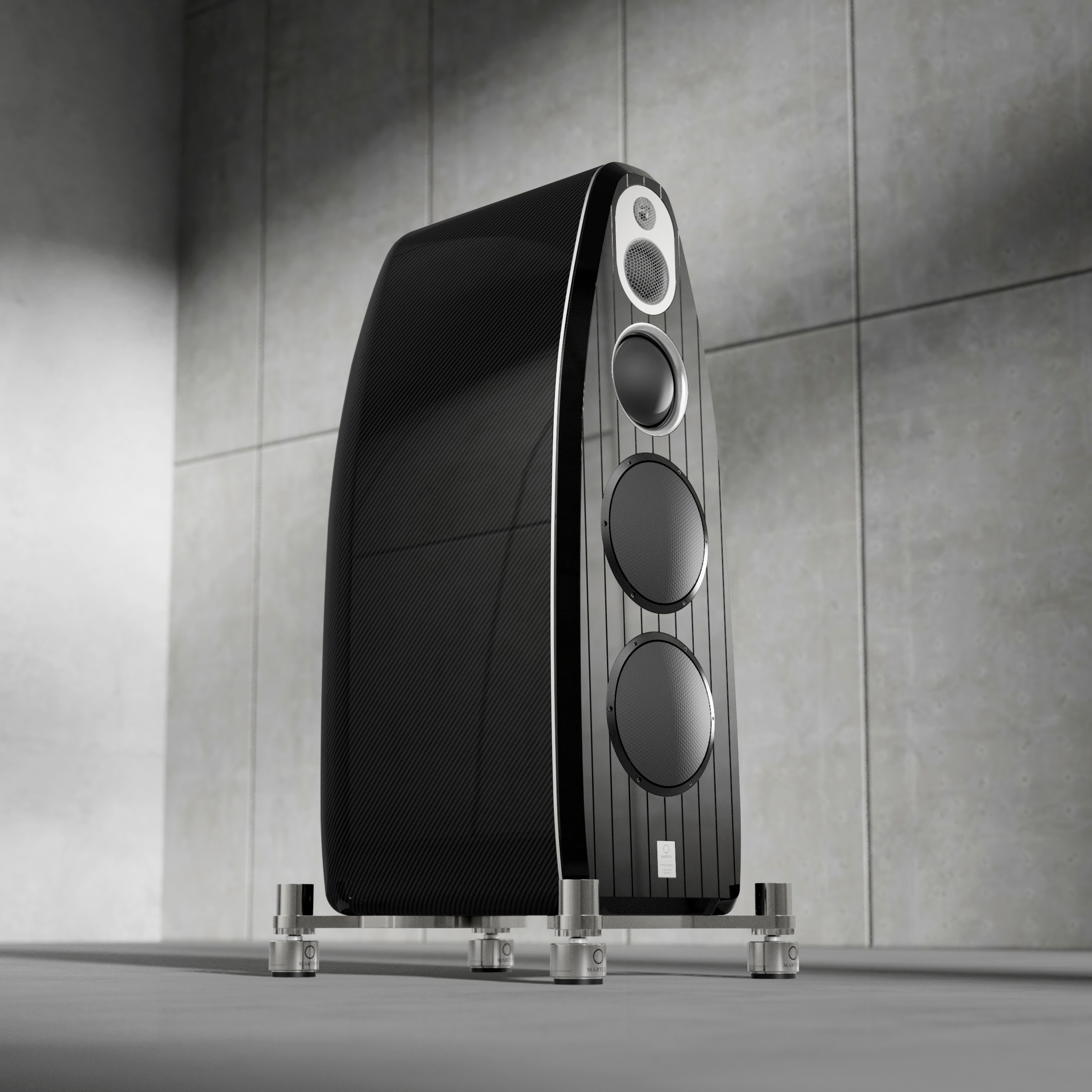
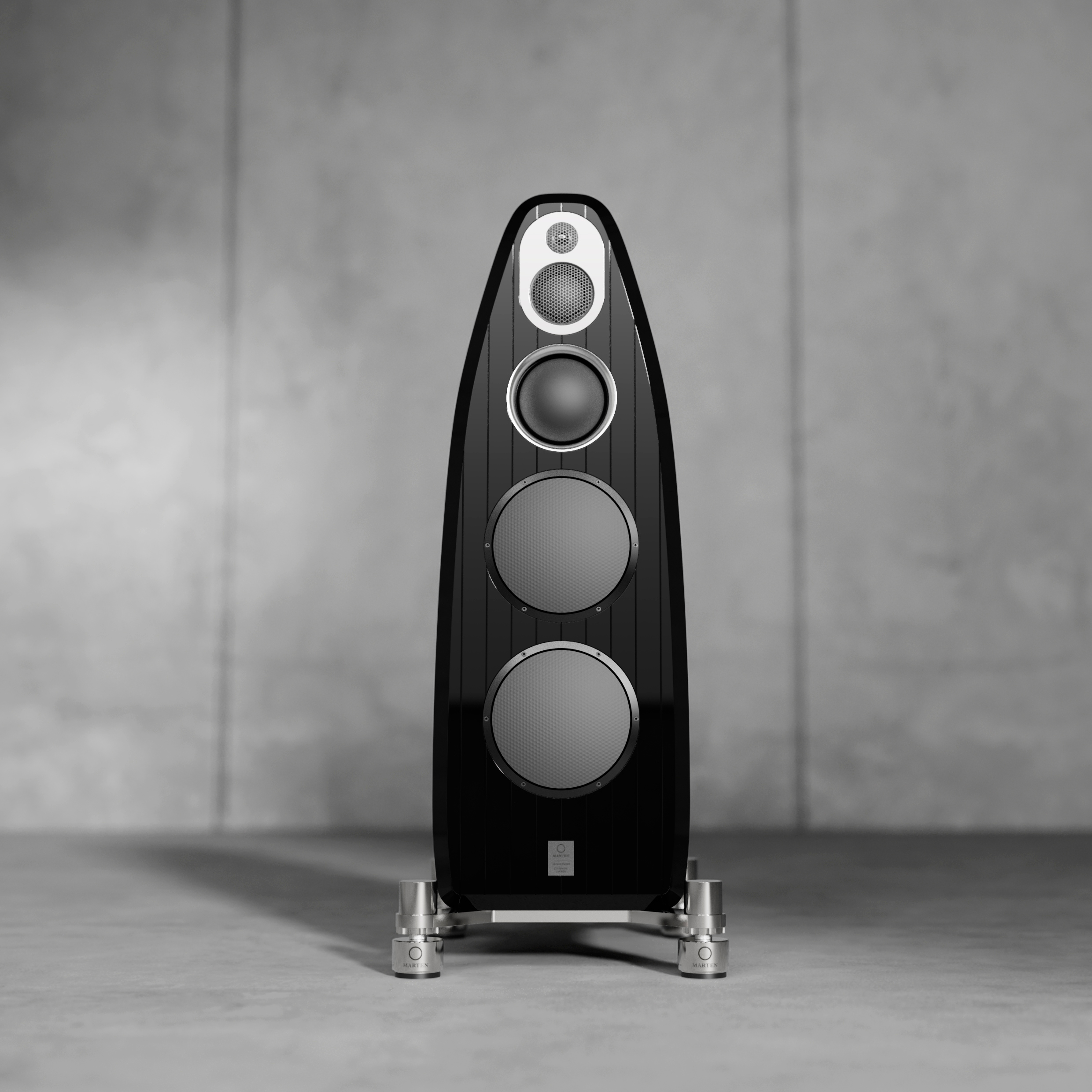
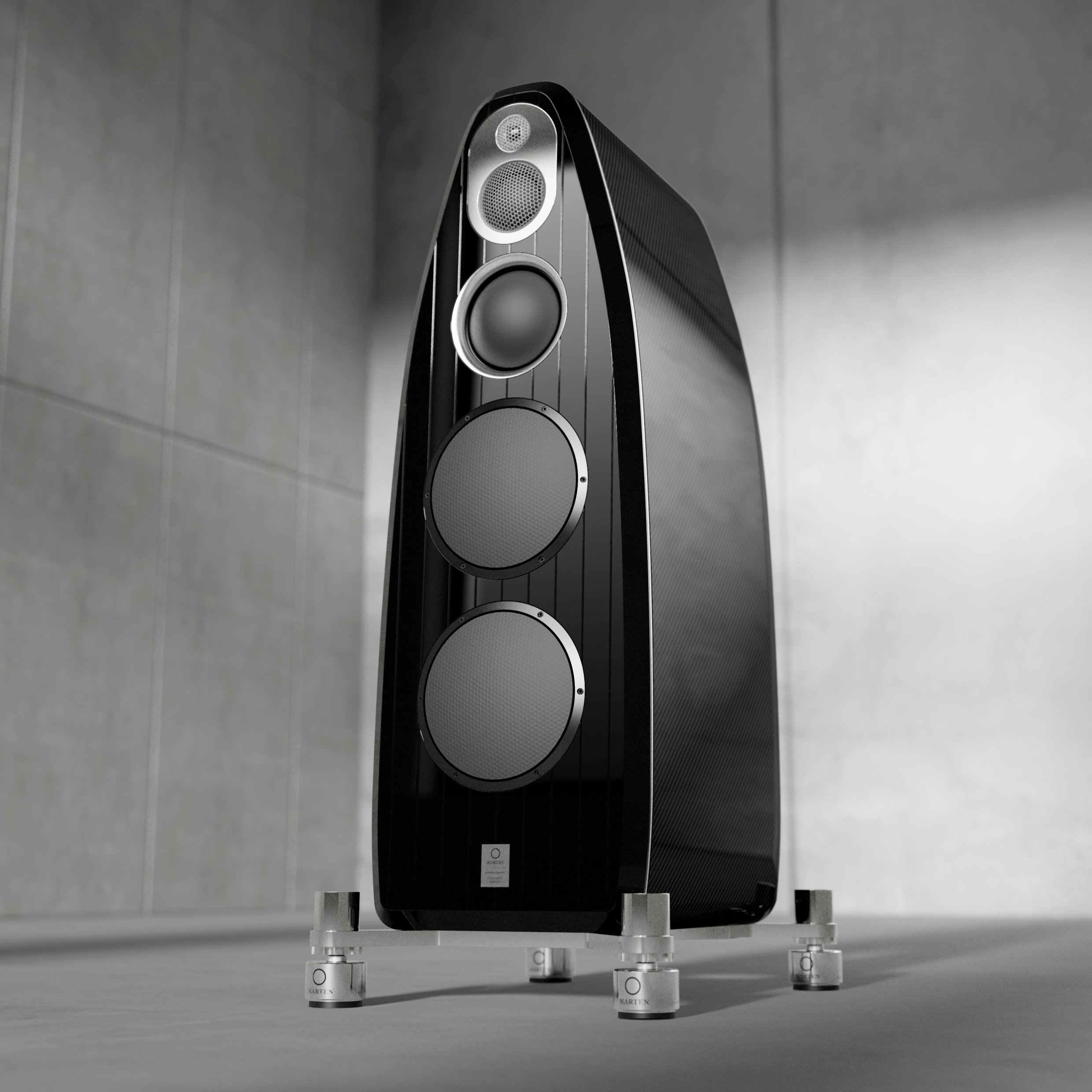
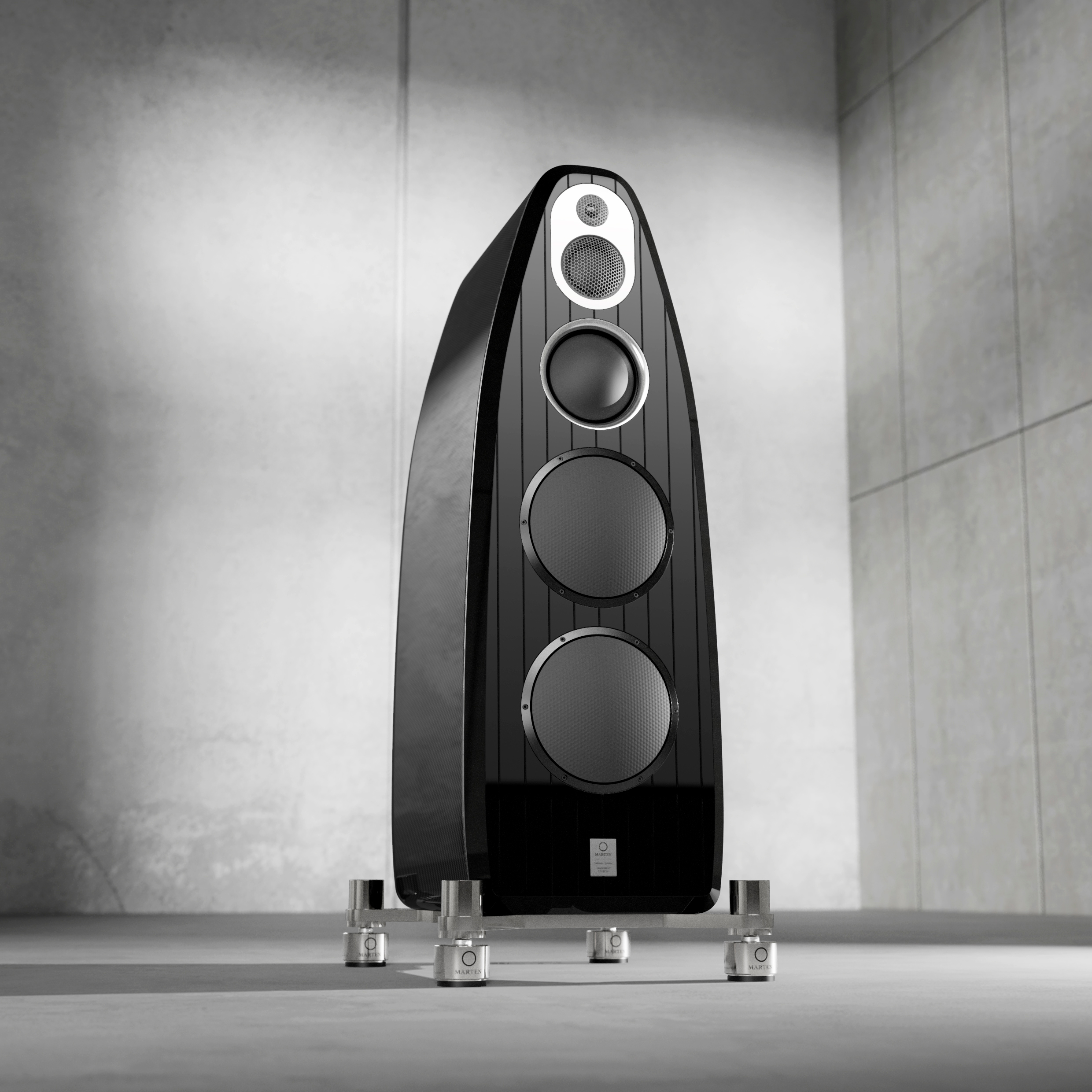
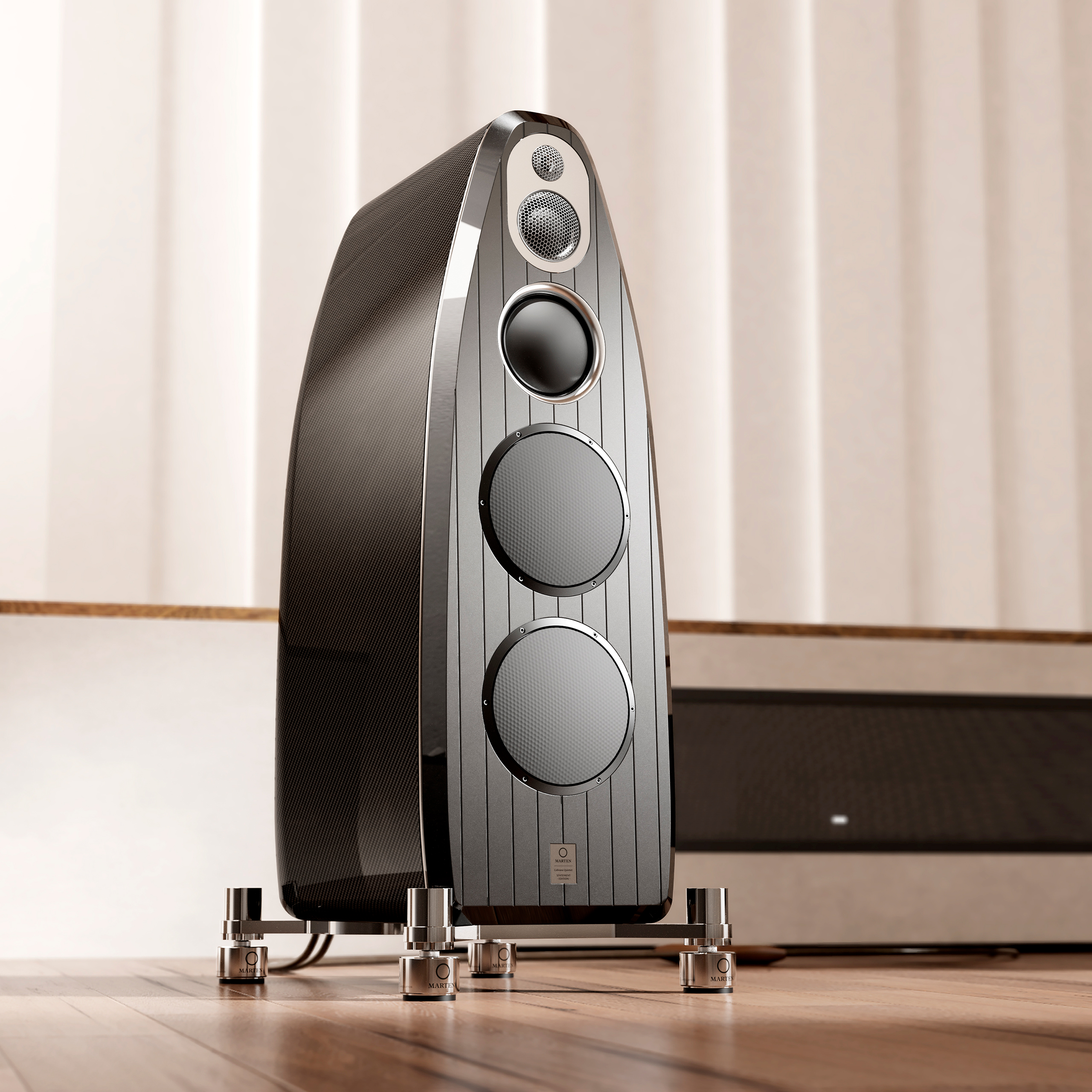
Przetworniki 1” przetwornik diamentowy; 3” przetwornik berylowy; 7” przetwornik z włókna węglowego; 2 x 10” aluminiowa konstrukcja warstwowa
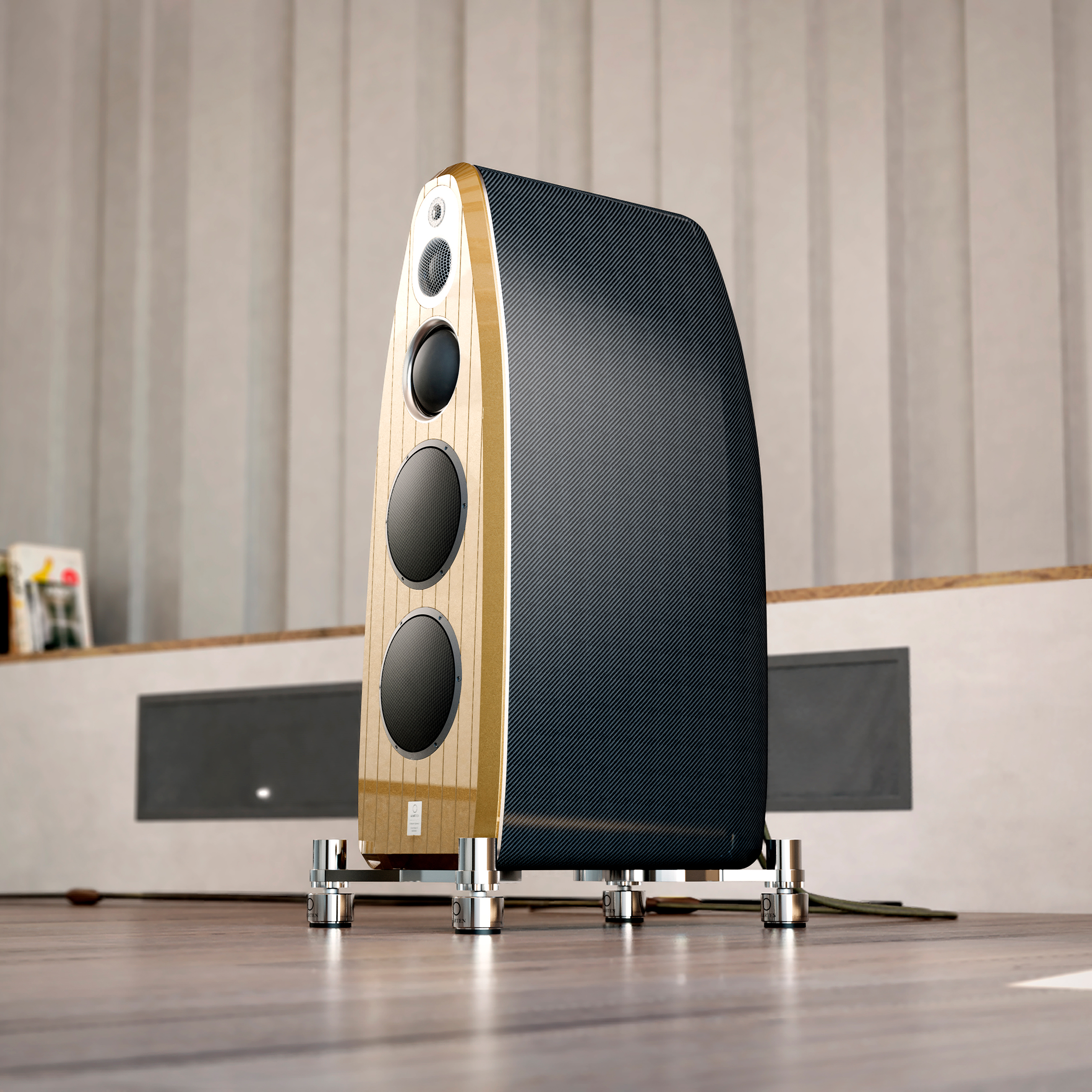
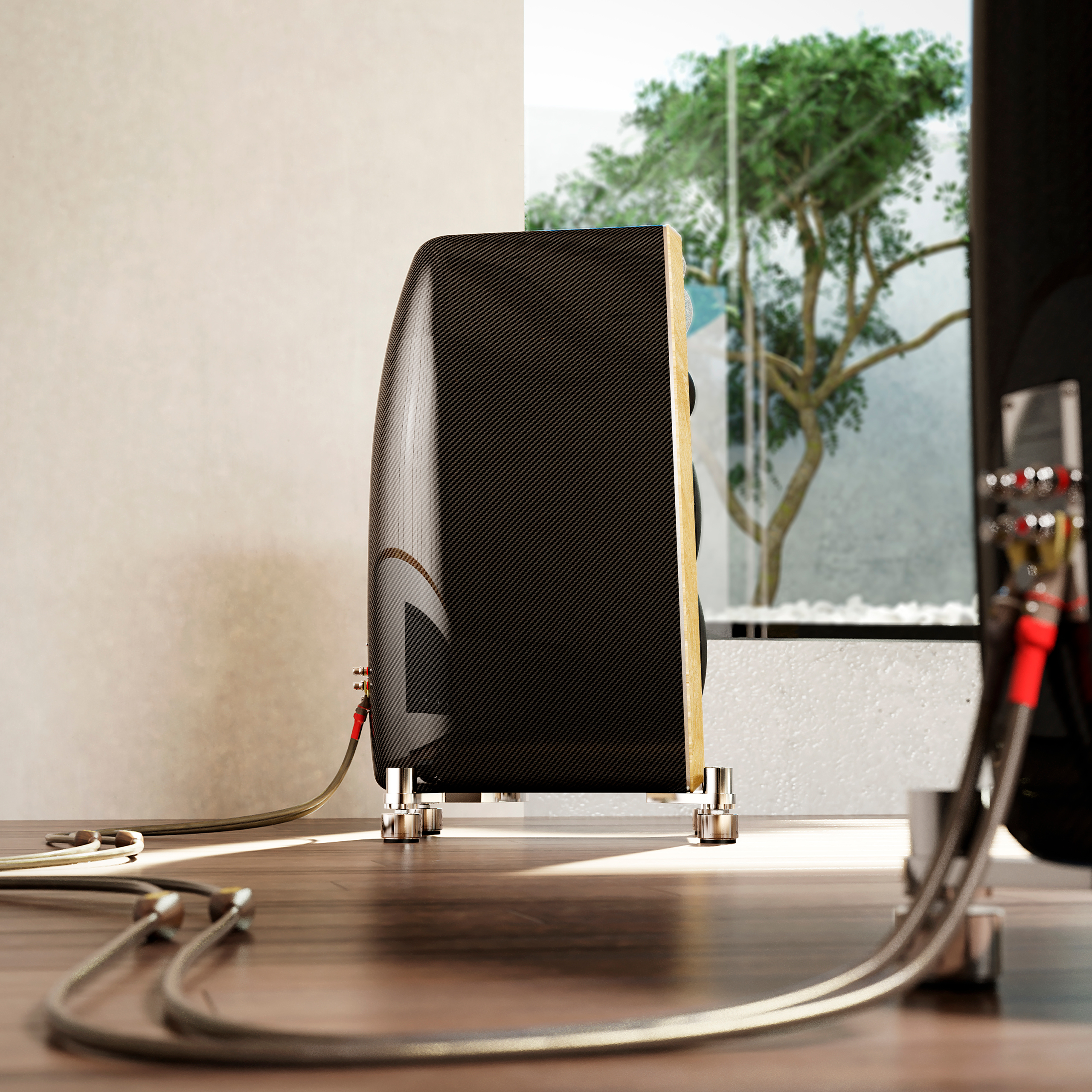
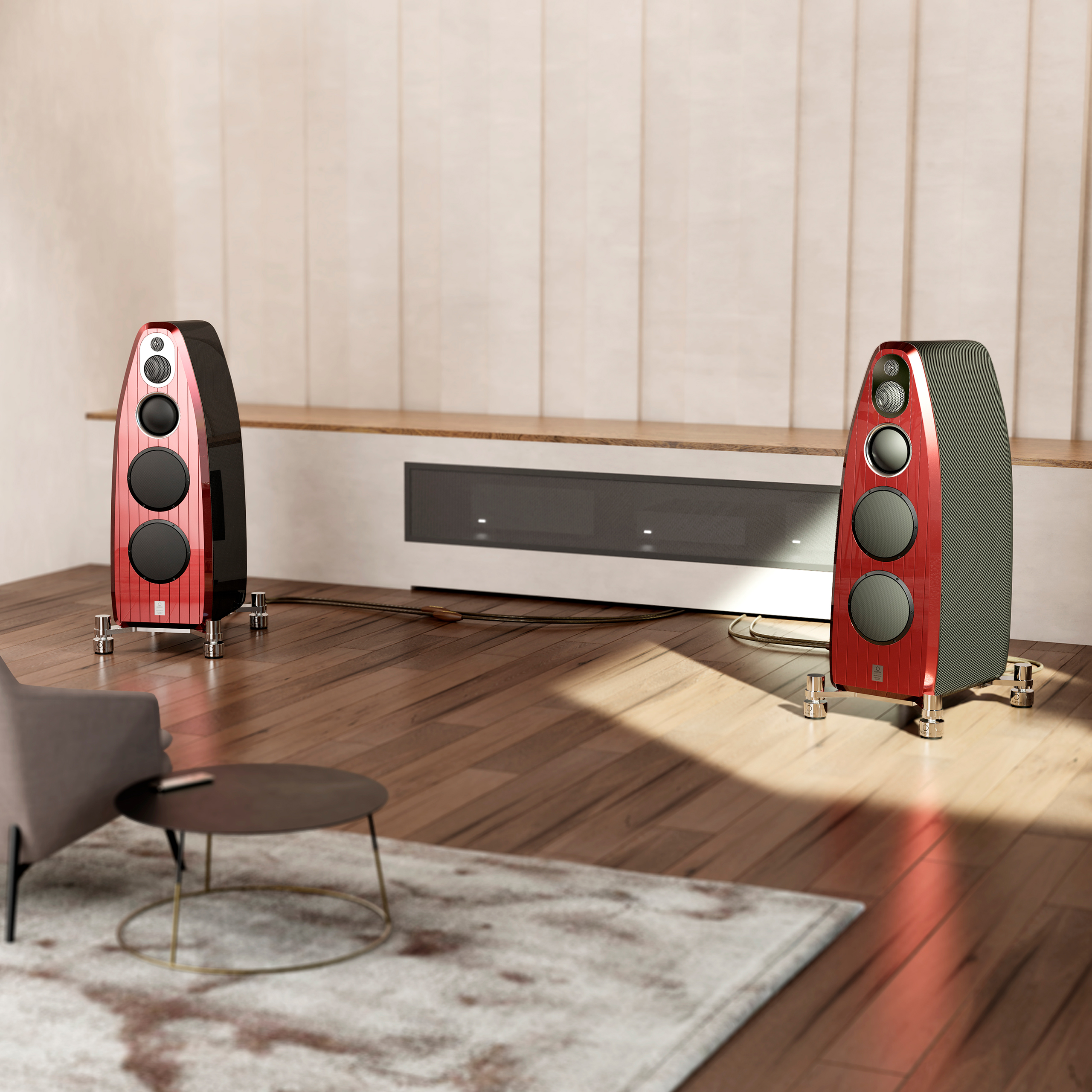
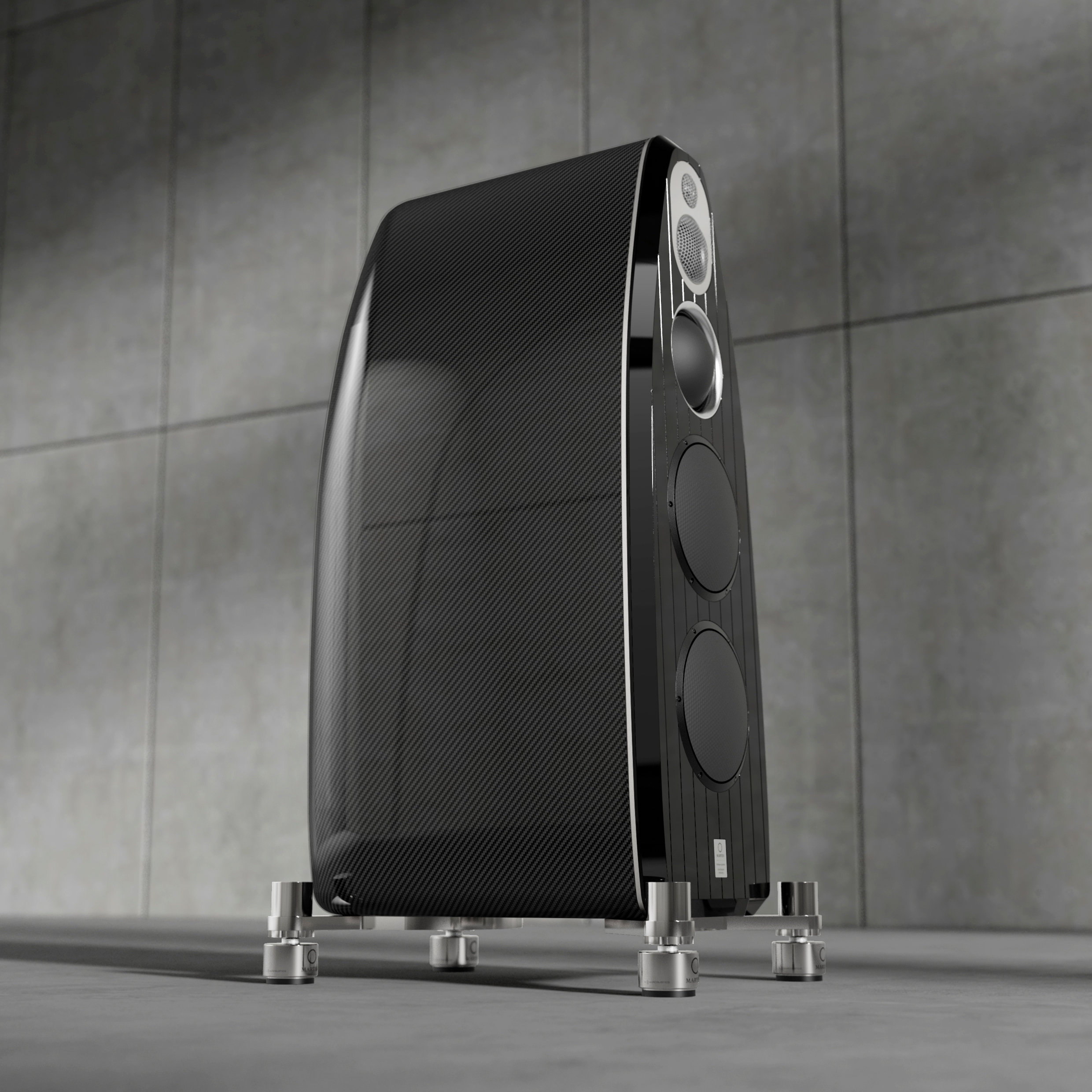
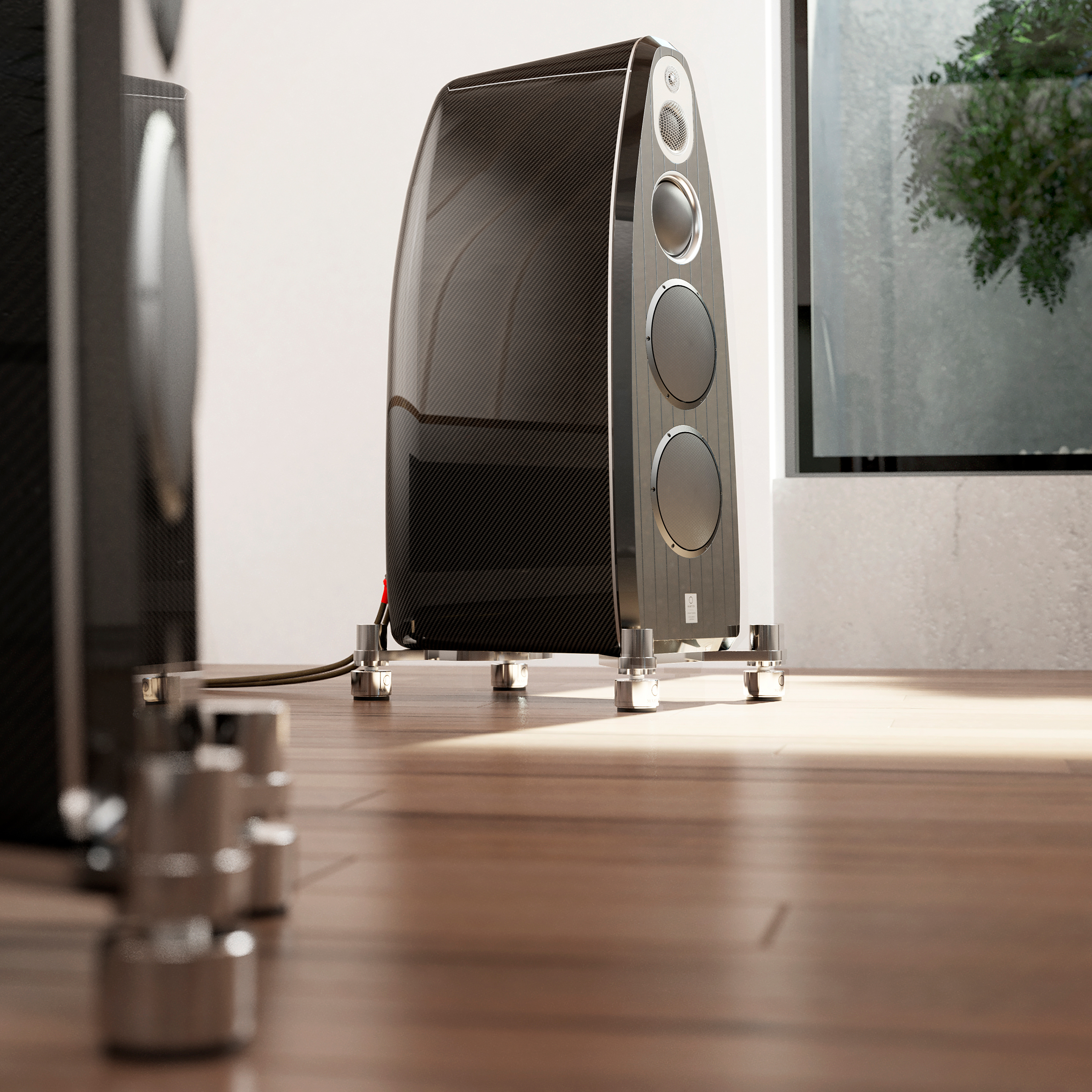
Obudowa Laminat z włókna węglowego o grubości 20–30 mm Lakier fortepianowy z przednią przegrodą w konstrukcji warstwowej z aluminium, włókien drzewnych i litego drewna.
Pasmo przenoszenia 18-60000 Hz +-2dB
Moc znamionowa 350 W
Skuteczność 89 dB/2,83 V
Impedancja 4 omy (min. 3 omy)
Typ 4-drożny bass reflex
Częstotliwość zwrotnicy 170, 1000, 6000 Hz
Złącza WBT Nextgen Bi-wire
Okablowanie wewnętrzne Jorma (opcjonalnie Statement)
Podstawy Polerowana na lustro stal nierdzewna z izolatorami Marten
Wymiary szer. x wys. x gł. 41,2 x 120,5 x 74 cm
Wymiary z podstawami szer. x wys. x gł. 52,5 x 127,9 x 78,8 cm
Waga 115 kg
Marten Coltrane Quintet
Recenzje
Recenzja Marten Coltrane Quintet SE w HiFi Report
The Marten Coltrane Quintet SE is undoubtedly a speaker that is brilliant in every aspect. From its external craftsmanship to every facet of its sonic performance, it is virtually flawless. While listening to it, I felt as though I was immersed in a beautiful life experience, rather than merely writing an equipment review.
Because its sound performance is so extraordinary, I seized the opportunity to listen to as much of my streaming playlist as possible, fully absorbing and savoring the music, allowing a correct and beautiful impression to remain in my mind for future reference and comparison. The Marten Coltrane Quintet SE is truly an outstanding speaker capable of bringing immense happiness to the listener!
The Coltrane Quintet SE exhibits incredibly fast transient response, a speed that most speakers simply cannot achieve. For example, when listening to “Bubbles” from Yosi Horikawa’s album “Wandering,” the effect of the electronic synthesizer mimicking a bouncing ping pong ball is extraordinarily “realistic.” This realism is largely created by the ultra-fast transient response.
Some speakers can sound gentle but are slow to react; others can react quickly but the sound becomes hard. The Coltrane Quintet SE, however, manages to sound both gentle and fast, which is where it surpasses others.
The Coltrane Quintet SE is capable of reproducing large-scale, complex, and dynamic music – those explosive climaxes – with astounding realism, rendering kick drums, string sections, woodwinds, and brass distinctly and clearly, without any muddle. For instance, listening to the fourth movement of Tchaikovsky’s “Symphony No. 4” conducted by Franz Welser-Möst with the Cleveland Orchestra, the physical, solid, and soft-yet-bouncing air pushed out by the kick drum is remarkable.
The Coltrane Quintet SE’s bass performance is truly outstanding. It’s not only ample in quantity but also extends deep, with incredibly high bass resolution. When listening to Malia & Boris Blank’s album “Convergence,” the electronic bass frequencies in the music were rendered with crystal clarity. Furthermore, the bass was cohesive and took shape, allowing you to hear the textural nuances the recording engineer created.
Listening to “Sister Rosetta Goes Before Us” from Robert Plant and Alison Krauss’s album “Raising Sand,” the immense and impactful bass was also sung with astonishing clarity, while still allowing the violin to produce a beautiful tone.
he Coltrane Quintet SE is also incredibly adept at revealing details. When I listened to “Beginnings Are Such Delicate Times” from “Dune: Part Two,” the initial bass impact was instantly impactful. What follows is a long, quiet passage. If your listening environment has high background noise, the subtle sounds in the quiet section will be masked, leaving you wondering what on earth Hans Zimmer was thinking.
The Coltrane Quintet SE’s detail retrieval capability is extraordinary, able to excavate all the various details in this piece, while also excelling in presenting layering, soundstage width and depth, sense of space, and even clearly tracking the trajectory of low-frequency movements.
When listening to piano, violin, and cello through the Coltrane Quintet SE, they are not only incredibly realistic but also possess exquisite tonal beauty. The cello is not ponderous or dull; instead, it is supple and lively, and when played in the higher register, you can even hear a touch of sweetness. This was true when listening to performances by Fournier, Starker, Yo-Yo Ma, and Sheku Kanneh-Mason.
Link do recenzji: Marten Coltrane Quintet SE – HiFi Report
Recenzja Marten Coltrane Quintet SE w AudioNet
Just thinking about the fact that layers of carbon fiber are laminated and formed according to the mold, and then finely polished to create such a delicate surface that even a fly can't stand on it, I can't help but want to buy it.
To be honest, the performance of the five drivers used by Coltrane Quintet SE can be said to be at its peak, and the first-order crossover network method used inside it has also reached the top of the passive crossover.
Marten Coltrane Quintet SE is undoubtedly a pair of excellent speakers in all aspects, whether it is appearance, workmanship or sound performance, it has been almost impeccable. While listening to it, I felt like I was immersed in a wonderful life experience rather than writing a review of equipment.
Link do recenzji: Marten Coltrane Quintet SE – AudioNet
Marten Coltrane Quintet
Nagrody
Marten Coltrane Quintet
Galeria
Zobacz także

Marten
Cennik
Cennik Marten
Link: Cennik Marten
Marten
Dealerzy
Dealerzy Marten
Link: Dealerzy Marten