
Kerr K200
Recenzje
Recenzja Kerr K200 w Hi-Fi i Muzyka
Żeby jednak przybliżyć Wam efekt choć trochę, przytoczę kilka obserwacji. Najpierw poczułem się jak na koncercie, blisko sceny. Dźwięk był bezpośredni, swobodny i otwarty, z precyzyjną lokalizacją. Wysuwał się przy tym mocno do przodu, ale odbyło się to bez ekspozycji pierwszego planu, ponieważ głębia pozostała wyraźna, a pogłos błąkał się od ściany do ściany. Panował przy tym porządek, a źródła nie nachodziły na siebie. Wydawały się uwolnione od otoczenia, od którego mogłyby się pobrudzić inną farbą. Zachowały własne kolory, niezmywalne i nieprzemakalne.
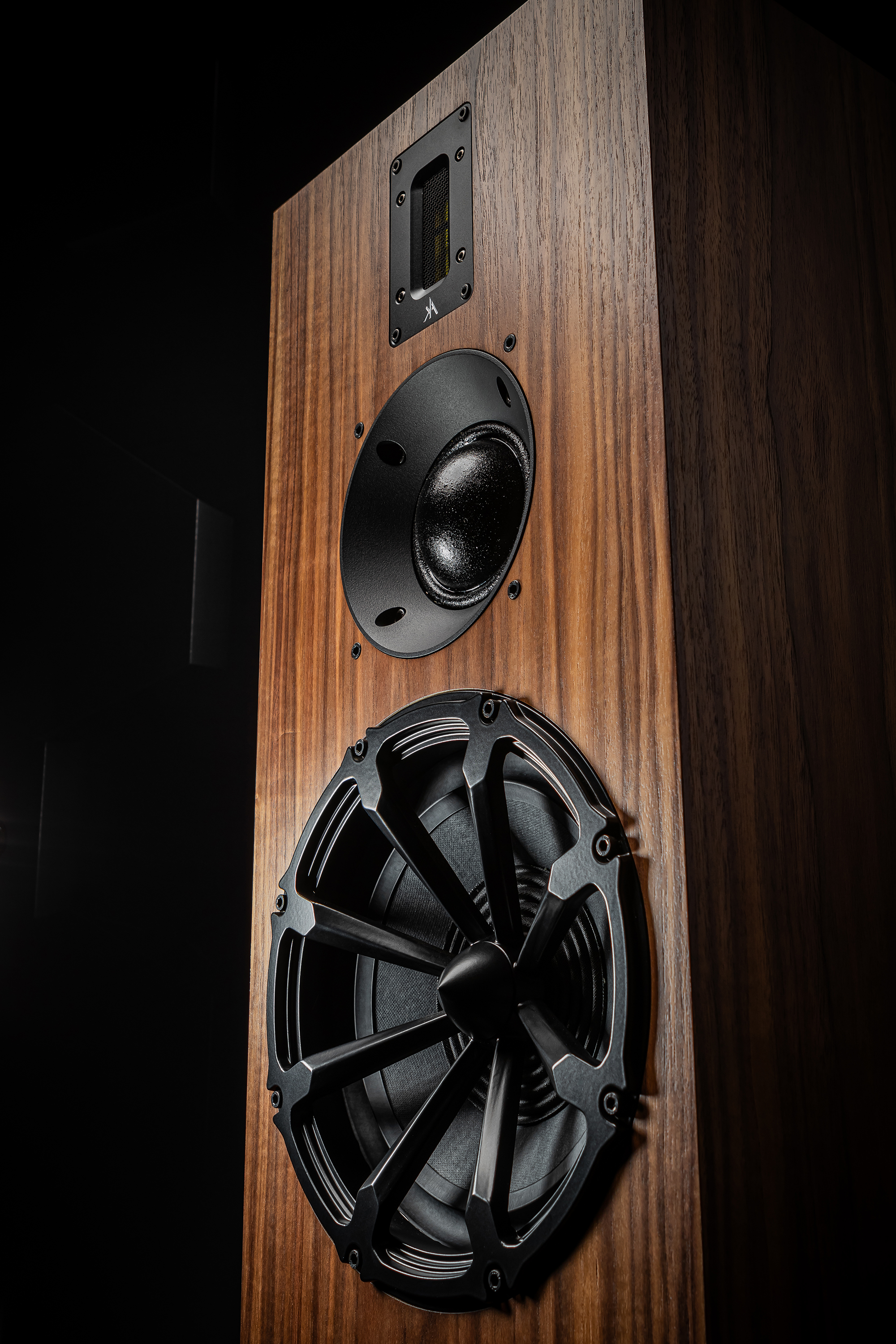
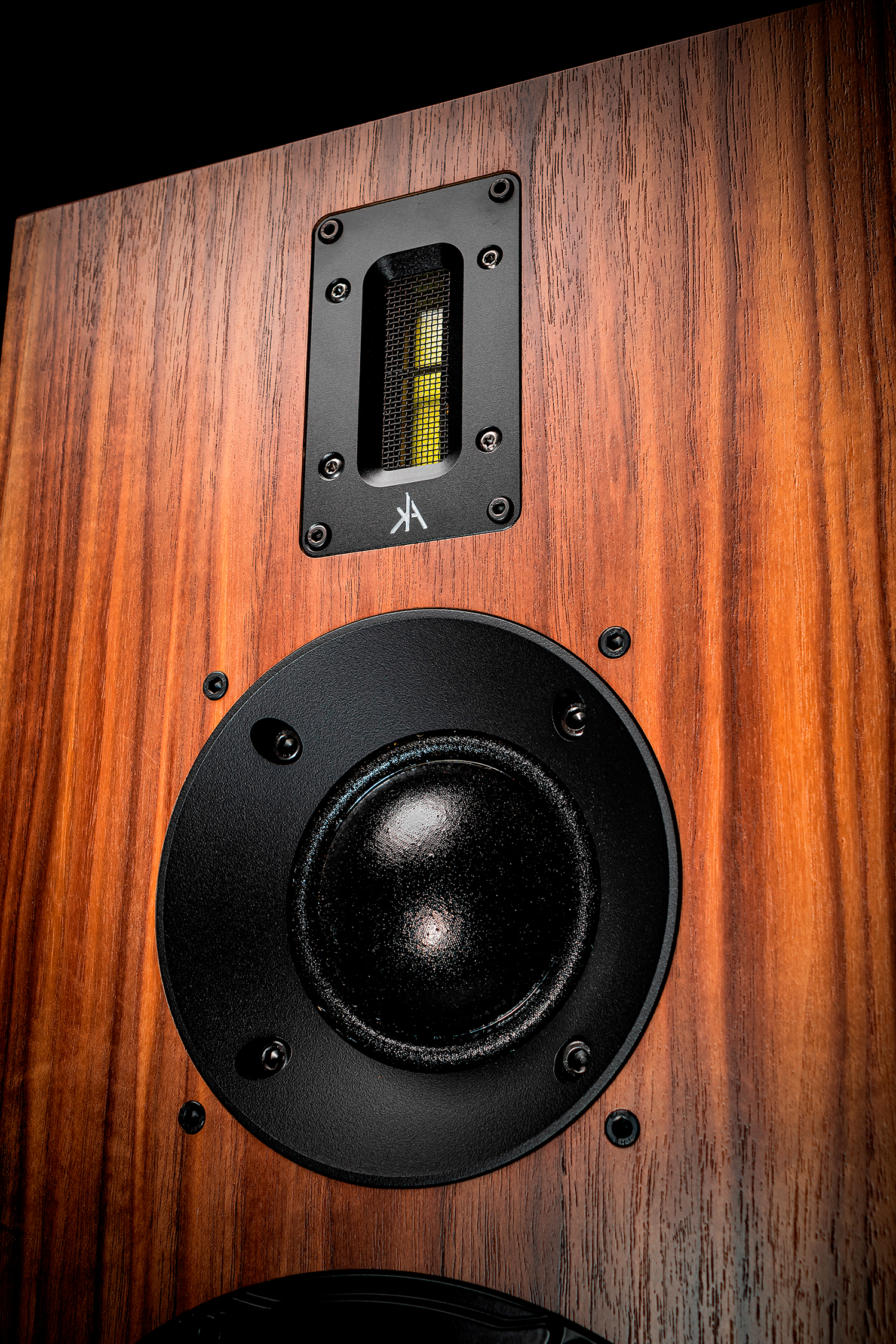
Skoro jesteśmy przy barwie, to tutaj się zaczynają główne atrakcje. Góra, choć najmniej spektakularna, okazuje się niepowtarzalna. Wyobraźcie sobie czystość, dźwięczność i mnóstwo powietrza, a z drugiej strony – całkowity brak zgrzytu, metalu i woalu. Kryształowy aksamit. Czy występuje w przyrodzie? Chciałbym. Słodkie kłamstwo? Na to wygląda, a mimo to brzmienie jest realistyczne. Wstęga sprawowała się świetnie już w tańszych modelach Kerra, ale w K200 brzmi inaczej, zapewne dzięki podziałowi zadań z wielką kopułką. Wysoki zakres góry przypomina magnetostatyczne duety średnio-wysokotonowe z kolumn PS Audio albo harmonijek AMT z Legacy. Jest tak samo wyraźnie, ale też gładko i bezboleśnie.
Średnica brytyjskich monitorów okazuje się cieplejsza niż zwykle. Wokale się powiększają, osadzają w przeponie. Zrozumiałość tekstu, ale też odgłosy artykulacji znów robią dwa kroki do przodu. Barwy zaś pozostają gęste i mięsiste. Przełom średnicy i góry najłatwiej dostrzec, wsłuchując się w uderzenia werbla. Odnoszę wrażenie, że do tej pory słyszałem suchy karton i dopiero teraz ucho ma realny kontakt z membraną. Wyrazistość, precyzja i studyjna detaliczność łączą się z miękkością, ciepłem oraz płynnością. I jak do nich dodać dosłowność, wręcz łopatologiczne wyodrębnienie instrumentów? Kolejny paradoks, może i znowu kłamstwo, ale odczucie realizmu to samo. Chciałoby się powiedzieć, że monitory grają średnicą, ale tak samo przecież grają górą i basem. Każdy z tych zakresów jest wyeksponowany, a przecież tak się nie da.
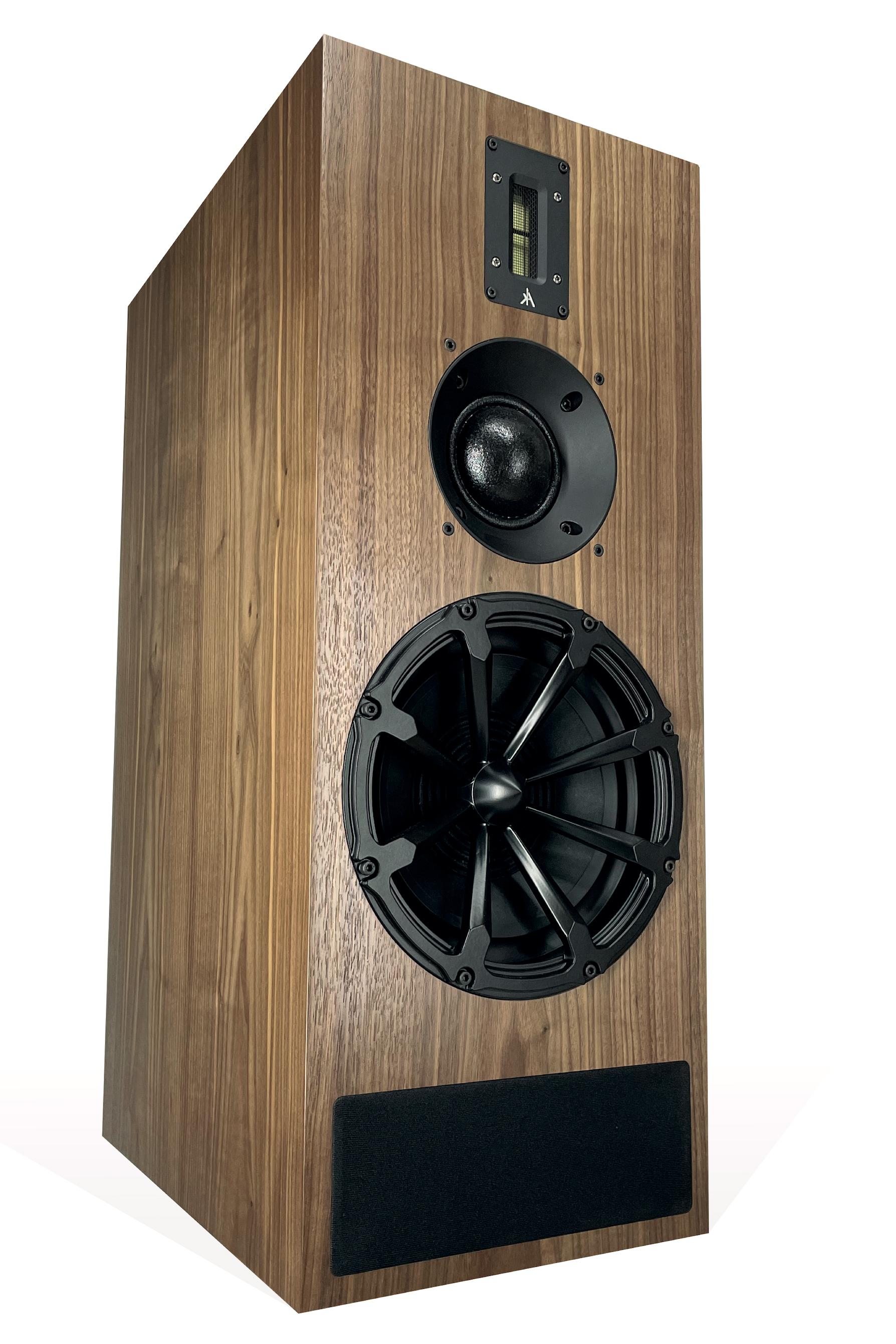
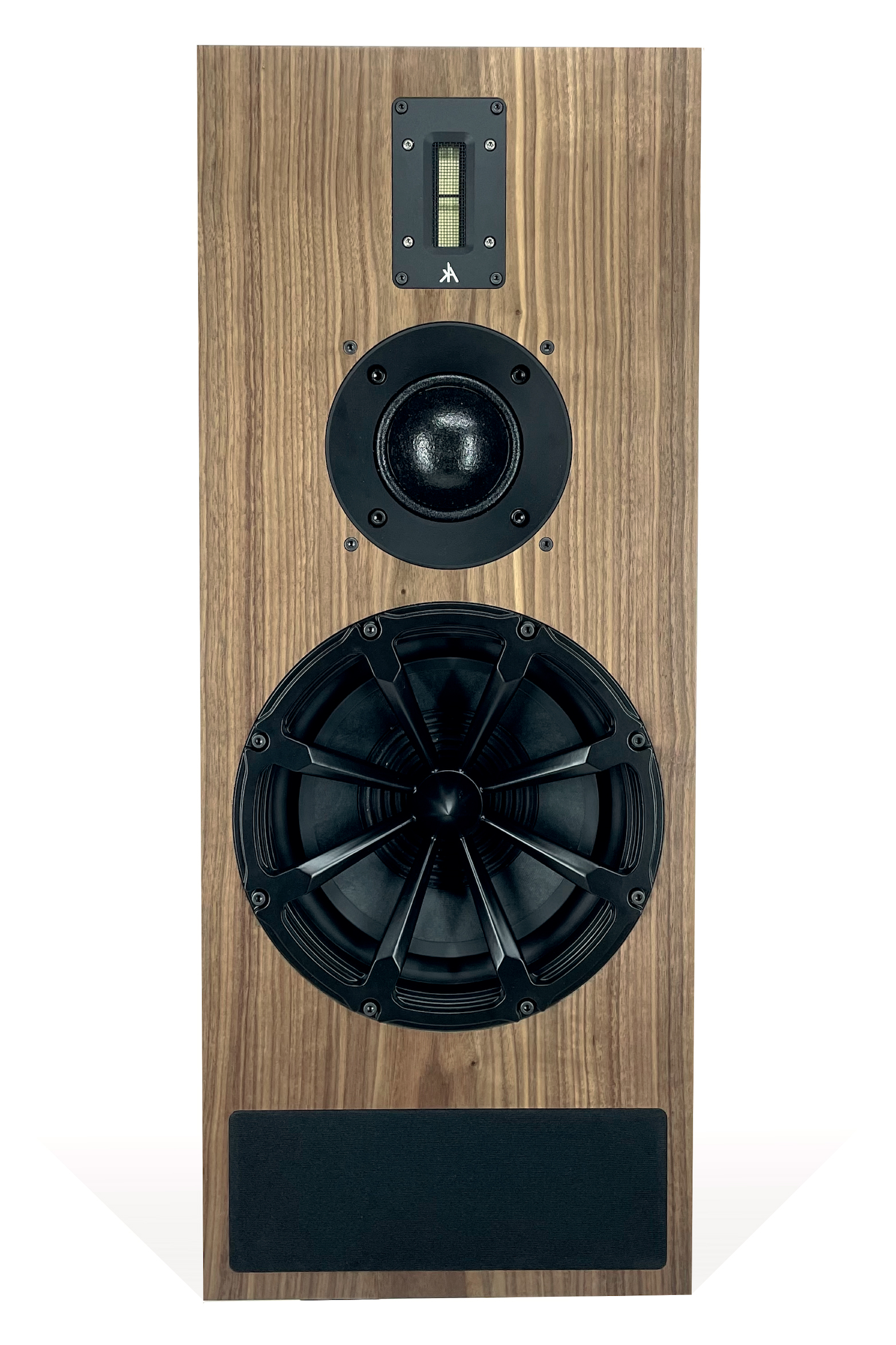
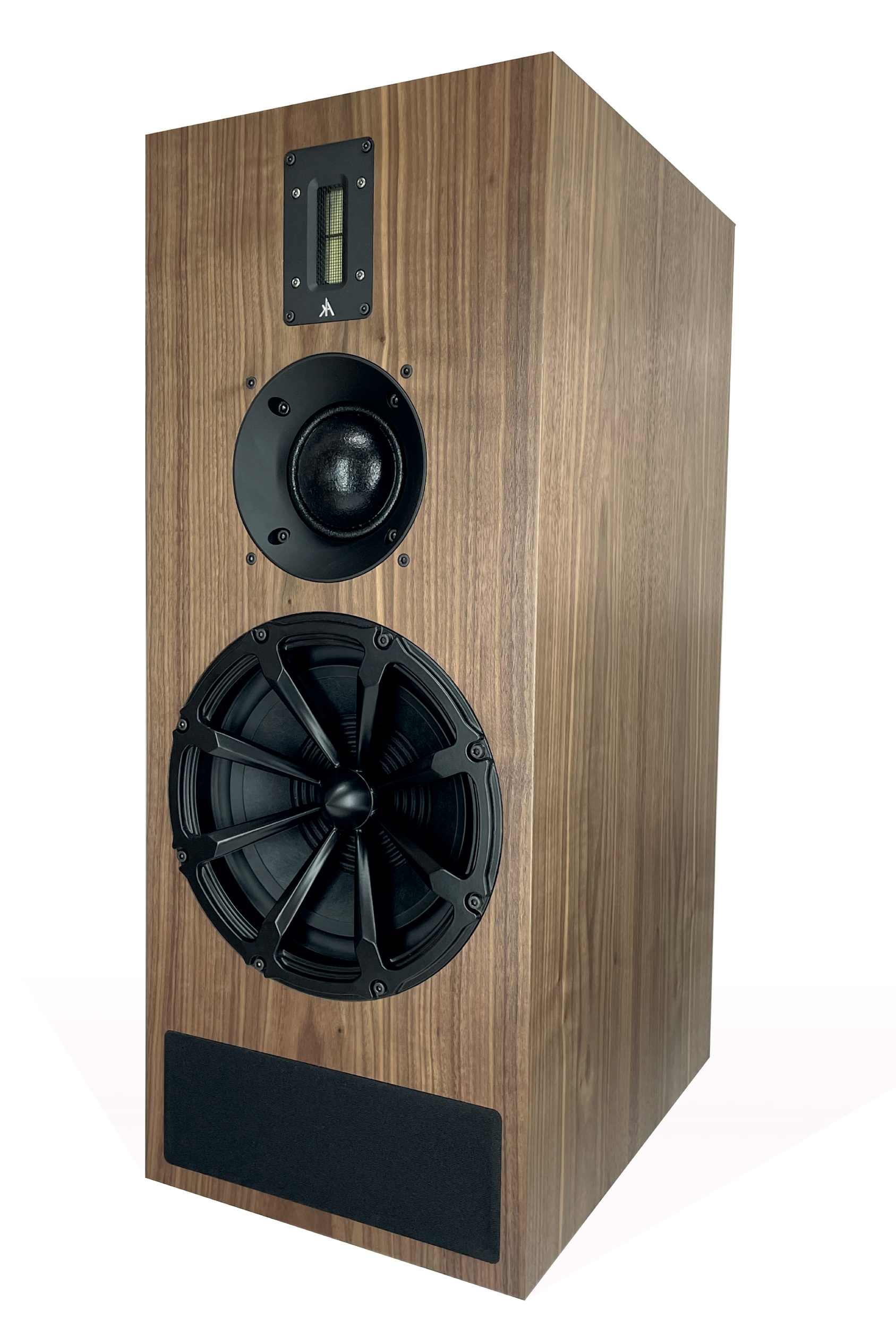
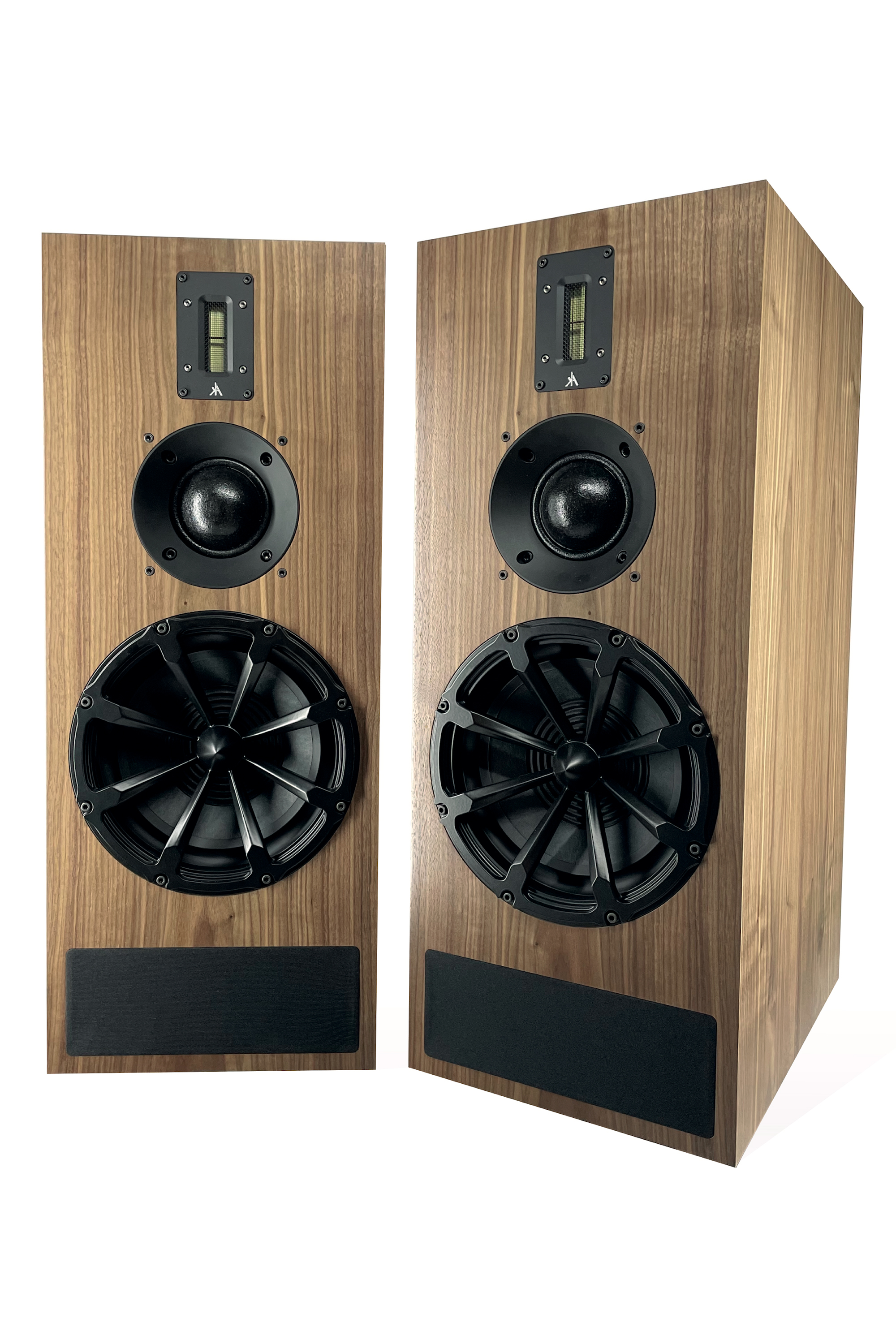
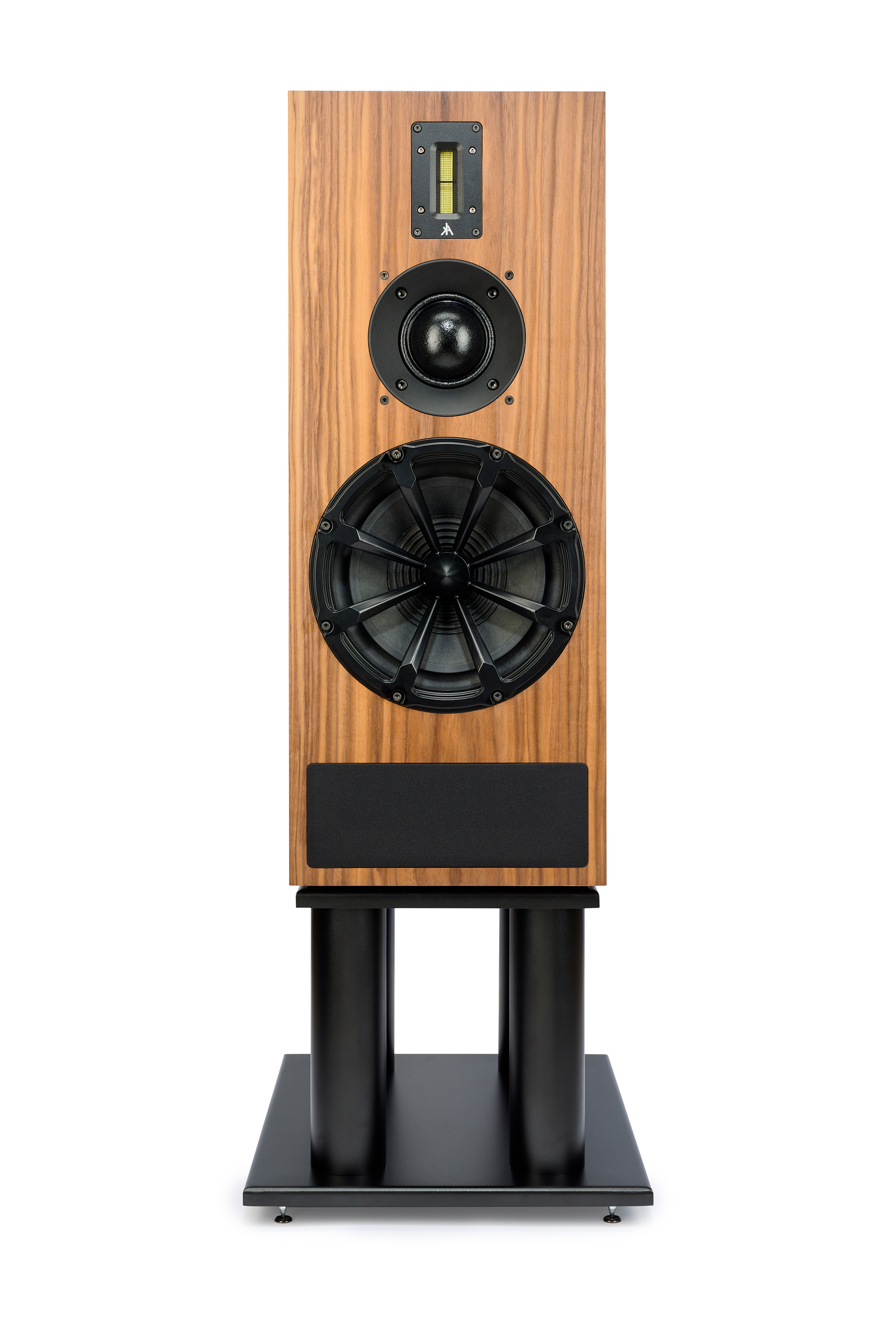
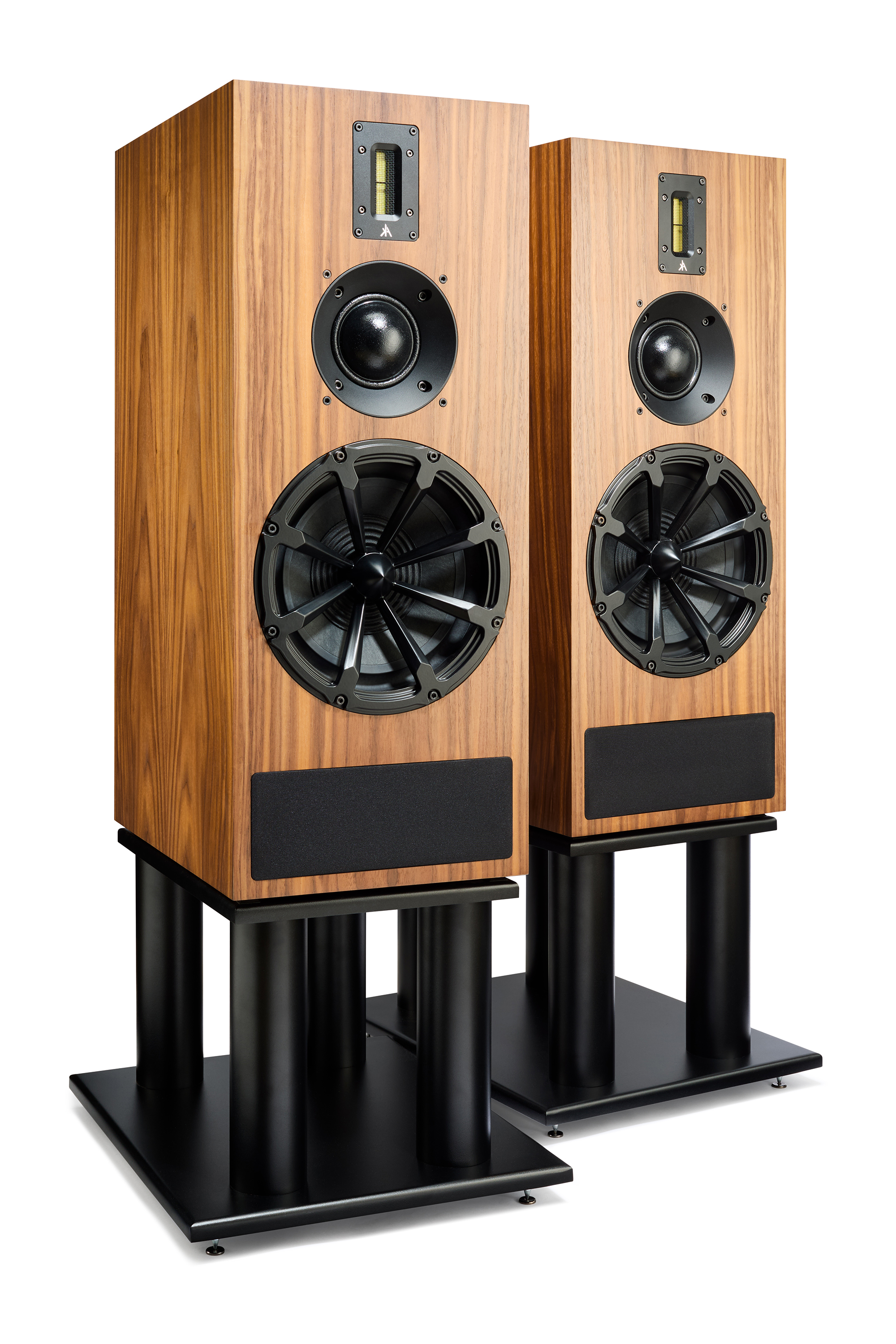
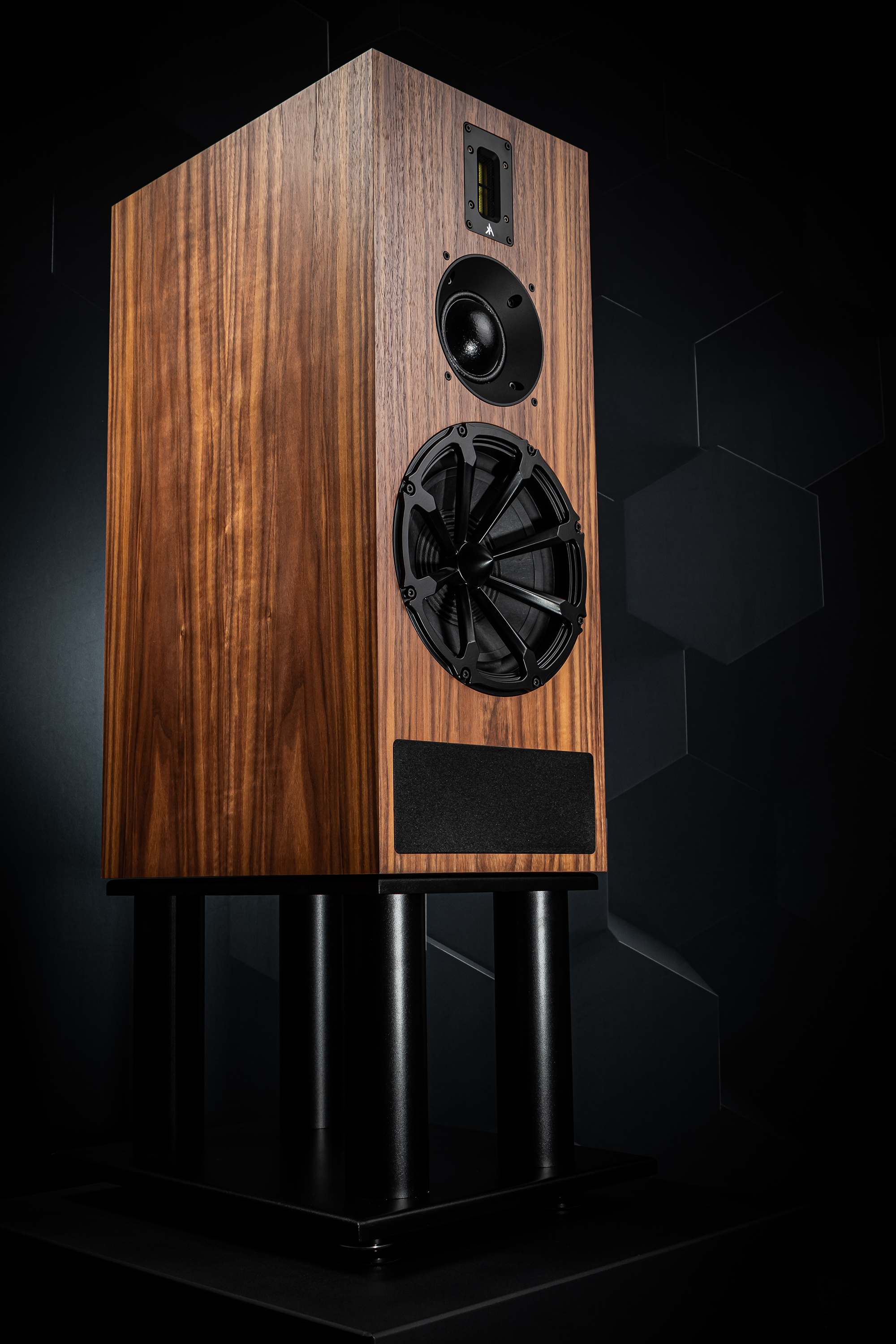
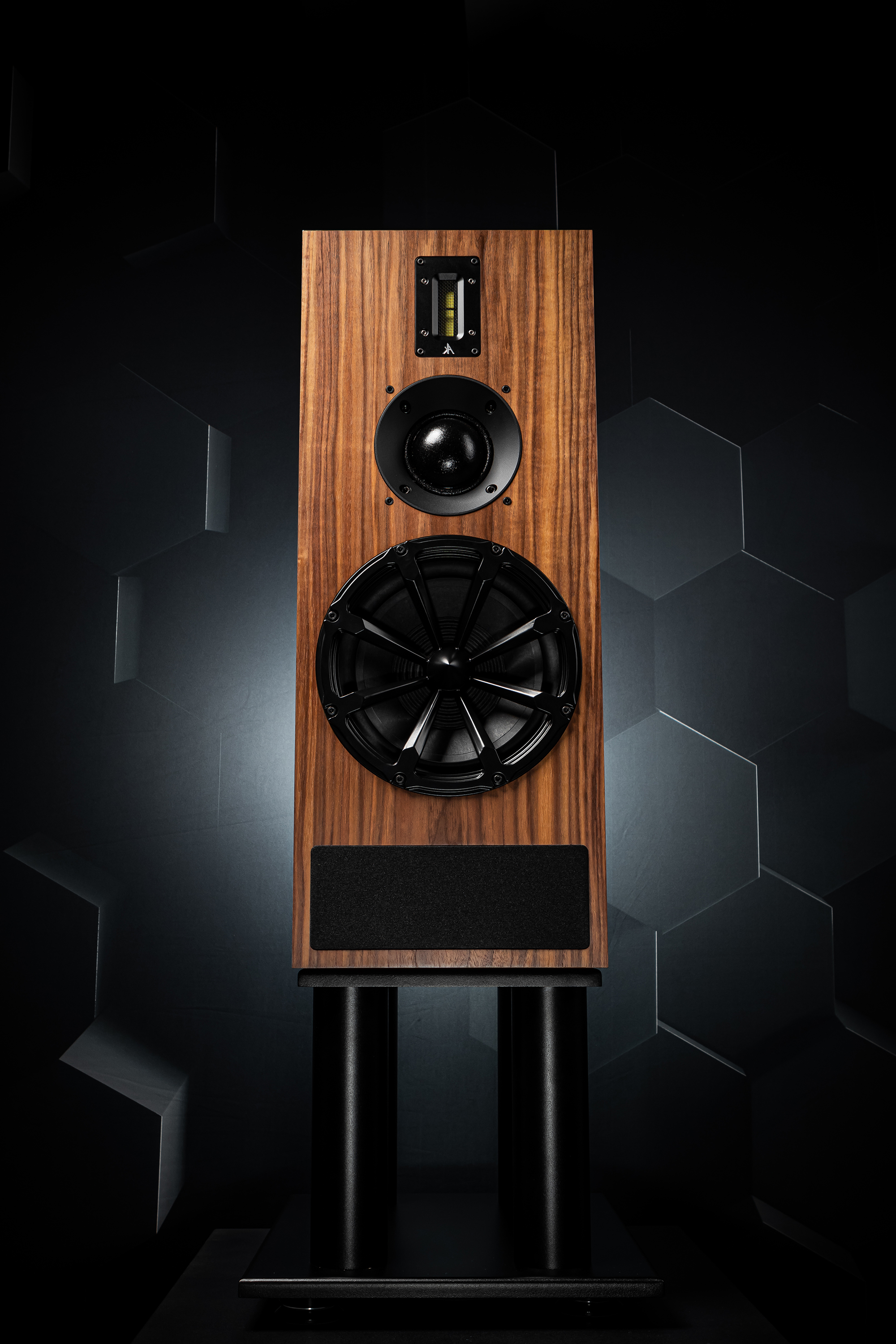
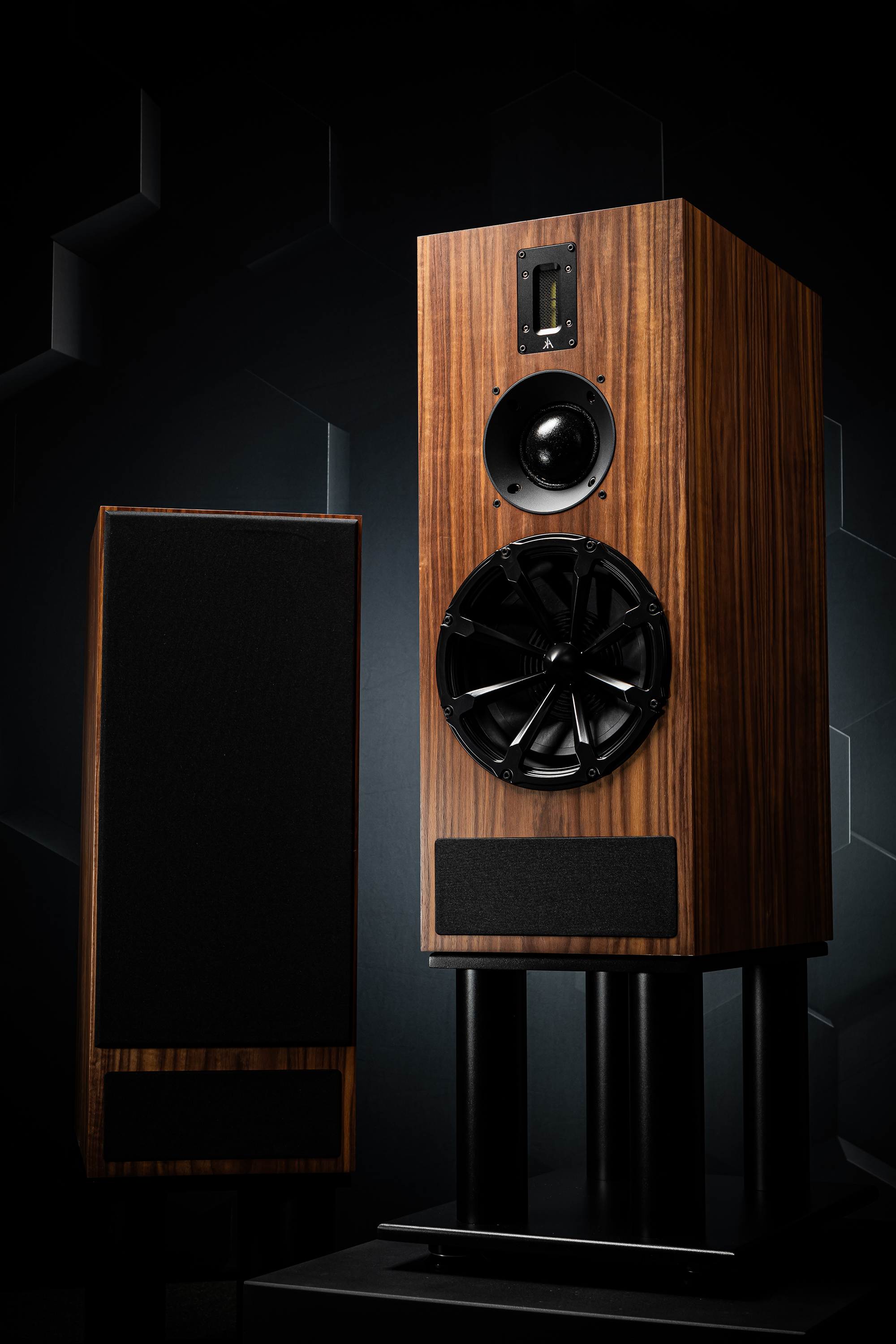
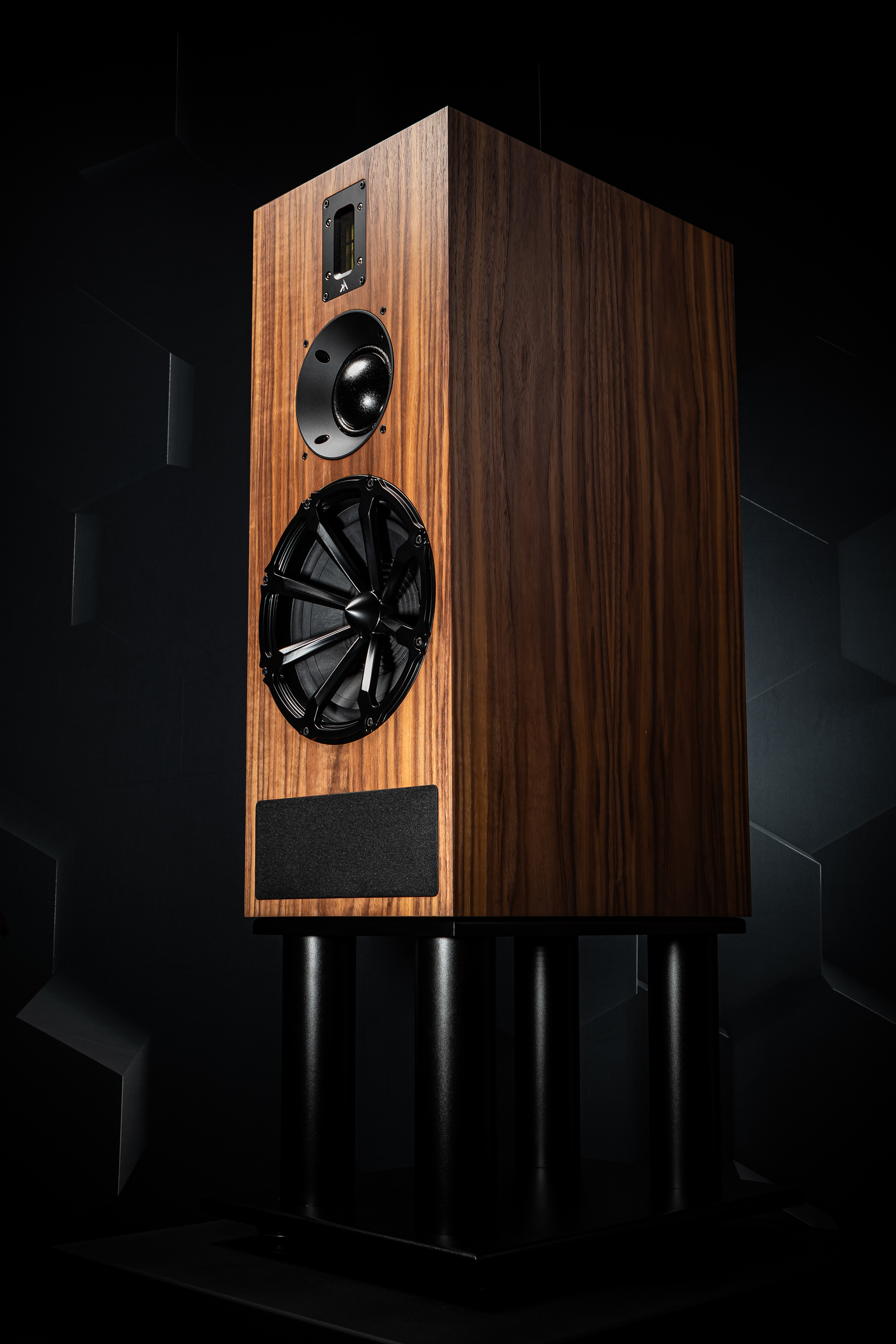
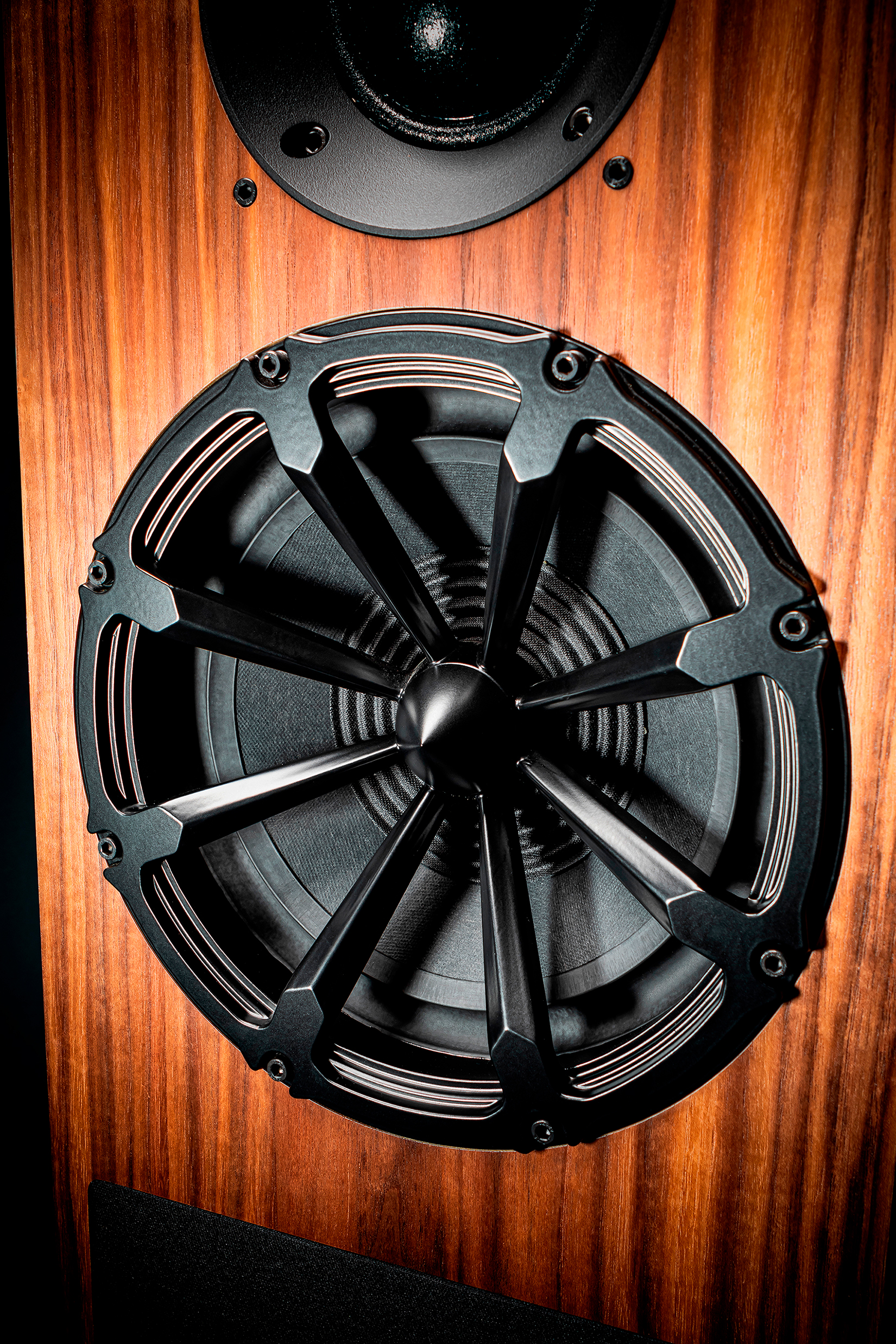
Bas okazuje się energiczny i sprężysty. Cechuje go potężny, skoncentrowany atak, ale też ogonek, charakterystyczny dla linii transmisyjnej. Nie brak mu przy tym głębi ani potęgi. Paradoks zaś polega na tym, że odbieramy go jako miękki i przyjemny, tymczasem jego największą zaletę stanowi prowadzenie rytmu. Dynamika jest dokładnie taka, jak sobie wyobrażacie, patrząc na zdjęcia.
Czy to najlepsze Dire Straits, jakie słyszałem? Niewykluczone, choć pamiętam również wykonanie Wilsona. Może nawet bardziej spektakularne, ale u Kerra pojawia się ten niepowtarzalny koncertowy rys.
Link do recenzji: Kerr K200 – Hi-Fi i Muzyka
Recenzja Kerr K200 w The Ear
The K200 is as neutral as one would expect, given the brand’s studio connections. They starkly reveal any deficiencies earlier in the chain. Compared to the majority of speakers which use conventional dome tweeters, the high frequencies are cleaner and more extended, yet this additional high-frequency output never dominates; it simply adds detail and definition to the rest of the frequency spectrum. This results in an extremely open presentation, with a degree of instrumental layering rarely experienced elsewhere.
The integration between the drive units is superb, and believe me, those Volt drivers have no trouble keeping up with the speed of that ribbon tweeter. Play fast-paced music through the K200 and the results are thrilling, yet the speaker displays subtlety and conveys emotion when the music demands it.
Flipping the coin, Frank Zappa’s Overnite Sensation in 24/192 sounded particularly sublime. Here, the speaker’s speed, timing, dynamics, and sheer sense of life came to the fore. Listening to this album again with the Townshend Seismic Podiums fitted took things to another level, enhancing the dynamic separation and adding texture to the bass. The soundstage of this half-century-old recording expanded in all dimensions, making the experience utterly mesmerizing.
Well-recorded live music, such as Nick Cave’s Idiot Prayer (24/96 download)—which is just Cave and his piano, recorded during lockdown at Alexandra Palace—placed me in the front row of the venue. The speaker’s resolution, speed, and dynamic freedom made this simple recording a thrilling listen.
Fans of electronica will also find much to enjoy here. Massive Attack’s Mezzanine (CD rip), which I have heard live on more than one occasion, sounded as metronomic and weighty as is possible in a home environment. The track Teardrop contains some seriously strong, deep bass, but those growling low frequencies remained under control, even at high volume levels—fear of hearing damage meant I gave in long before the K200 did. Elizabeth Fraser’s vocals were as sweet, silky, and luscious as I have ever heard them, contrasting with the aggressive-sounding electronic hi-hats which punctuated the track with startling temporal accuracy.
Link do recenzji: Kerr K200 – The Ear
Recenzja Kerr K200 w Stereonet
Yet give the K200 a seriously well-recorded piece of music, and it flies. It's not a speaker that flatters poor recordings due to its innate colouration; quite the reverse, in fact, as its consummate clarity lets you get the best out of flawed recordings. Yet it's ready to shine the spotlight on great ones, as Kraftwerk's Techno Pop showed. This track is a pristine slice of electronica from the mid-eighties, one that was to my ears – when first realised in 1986 – from the best-sounding album I had ever heard. One listen to it via this Kerr Acoustics speaker instantly reminded me why I had thought that, as it's still jaw-dropping by today's standards.
The album took many years to complete, as the band went hunting the world for samples and rejigged their equipment and their own Kling Klang recording studios to make them state-of-the-art. This track has a thumping but bouncy electronic bass line that only great loudspeakers can properly handle, and the K200 had a ball. Low frequencies were rock-solid, full of power and punch, yet much cleaner than you'd expect from a ported speaker. That transmission line did its stuff, delivering huge amounts of bottom-end heft while keeping the music tight and tuneful. The result was a super-firm underpinning to the rest of the frequency range, which was rendered in a glass-clear way, with tremendous timbral accuracy to the digital synthesiser sounds and a deliciously sparkling top end with immense delicacy. Indeed, some might think the treble to be 'soft' because it completely lacks the artificial 'zing' that lesser dome tweeter designs usually add to the sound. The music had a great bite, but due to the purity and resolution of the high-frequency driver, not in spite of it.
So what we have here, then, is a combination of classic big monitor air moving ability alongside the delicacy and insight that you'd expect from a modern design. Loudspeaker fans will know this to be a preciously rare combination and quite a thing to hear. Power and punch allied to transparency and refinement is a special brew, whichever way you look at it. Its natural insight meant that the K200 worked great with any genre of music, even classical. Boccherini's String Quintet in D minor with La Magnifica Comunità and Enrico Casazza was a delight. The speakers set up a vast, almost walk-around soundstage inside which the musicians were precisely located. The instruments had a beautiful timbre and an eerily realistic presence in my listening room, resulting in a wonderfully tactile sound that felt like I could reach out and touch.
Whilst the K200 impresses hugely from a hi-fi point of view, its real party trick is its natural musicality. Just as the strings shimmered around my listening room with the Boccherini piece, delivering a wonderfully beguiling and pulchritudinous sound, so this big speaker also bashed out the indie rock of REM's Texarkana with gusto. Here was another chance for it to display its subterranean bottom-end power, capturing as it did Mike Mills' walking bass guitar line brilliantly. At the same time, the satisfying raunch of Peter Buck's jangling Rickenbacker guitar knitted the song together beautifully, perfectly syncopating with Mills' own lead vocals. Behind this, the soaring violins played rousingly, giving the song fantastic fluidity and motion. Having seen the band play live at Wembley Stadium around the time this album track came out, it recreated some magic memories.
Link do recenzji: Kerr K200 – Stereonet
Kerr K200
Nagrody
Kerr K200 – Stereonet – Applause Award

It serves up a vast, physically moving (quite literally) sound that reminds you every second what real, live music is like. It does this through sheer ability, and at the same time, it has precious few vices to get in the way. For best results, you'll need an appropriately large listening room, a highly capable front end and an amplifier with large swathes of power, grip and detail. If you're lucky to have all of the above, then this big banger really is very hard not to love.
Kerr K200– The Ear – Editor's Choice

Kerr K200
Galeria
Zobacz także

Kerr Acoustic
Cennik
Cennik Kerr Acoustic
Link: Cennik Kerr Acoustic
Kerr Acoustic
Dealerzy
Dealerzy Kerr Acoustic
Link: Dealerzy Kerr Acoustic