
Goebel Divin Marquis
Dane techniczne
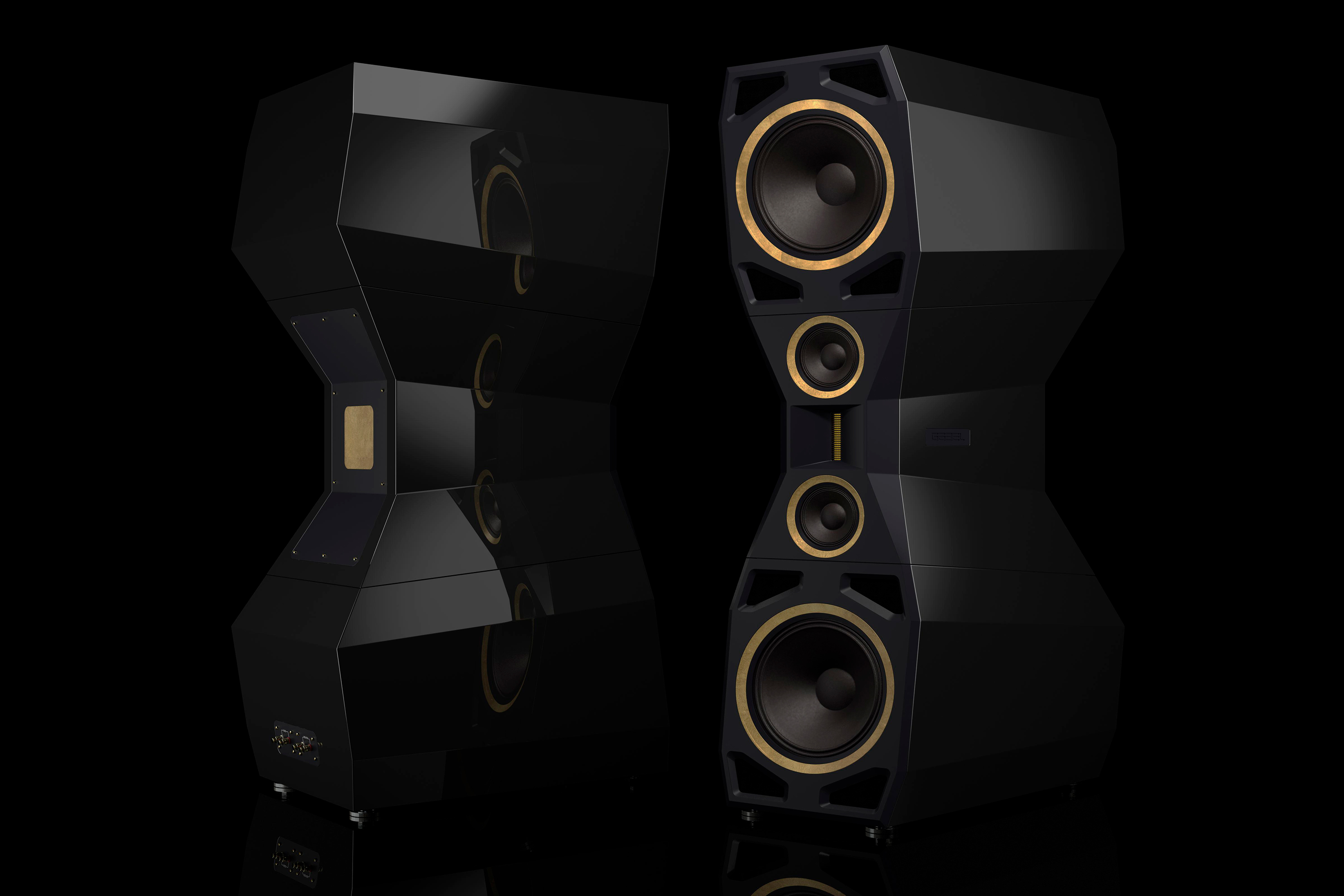
Typ 3-drożny, wysokoskuteczny, symetryczny głośnik typu bass reflex
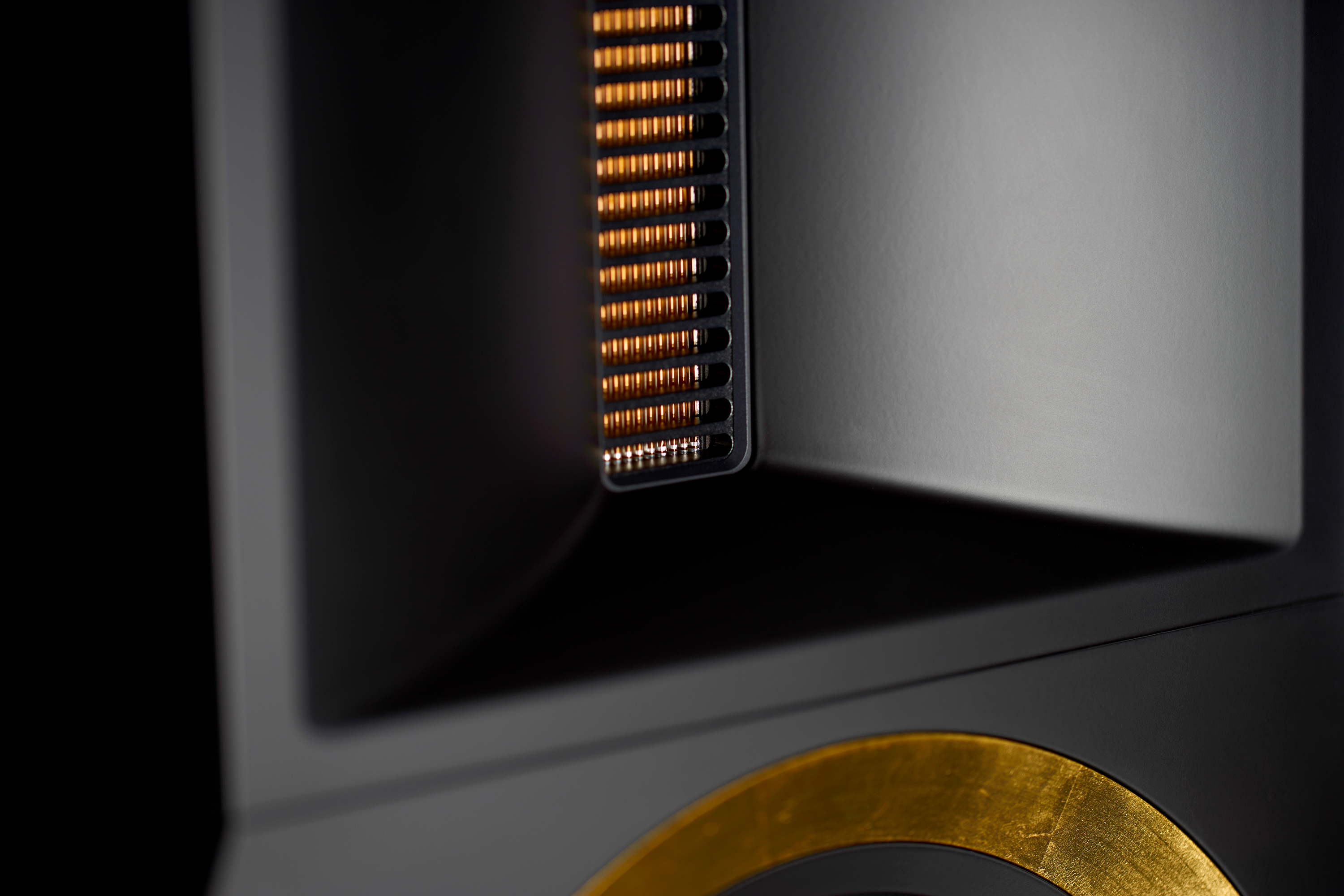
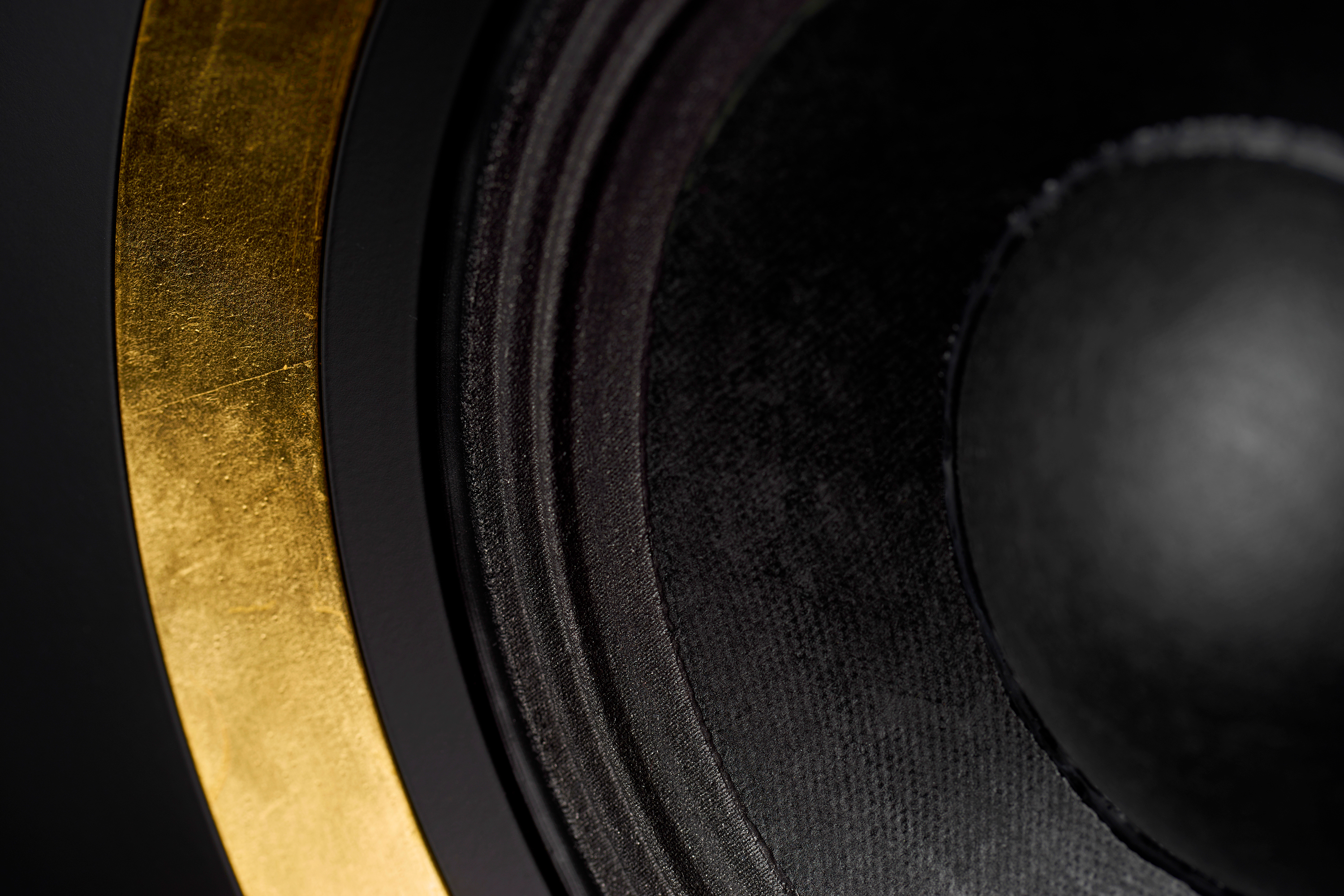
Przetworniki 2 szt wysokiej klasy, opatentowane przez Göbel® 18 calowe przetworniki basowe o długim skoku. 2 szt. wysokiej klasy, opatentowane przez Göbel® głośniki średniotonowe (8 cali). 1 szt. znacznie ulepszony głośnik wysokotonowy AMT z masywnym aluminiowym falowodem.
Obudowa Zoptymalizowana akustycznie, z warstwą tłumiącą, odporna na wilgoc, płyta kompozytowa związana żywicą specjalny stop aluminium, grubość maks. 110 mm!
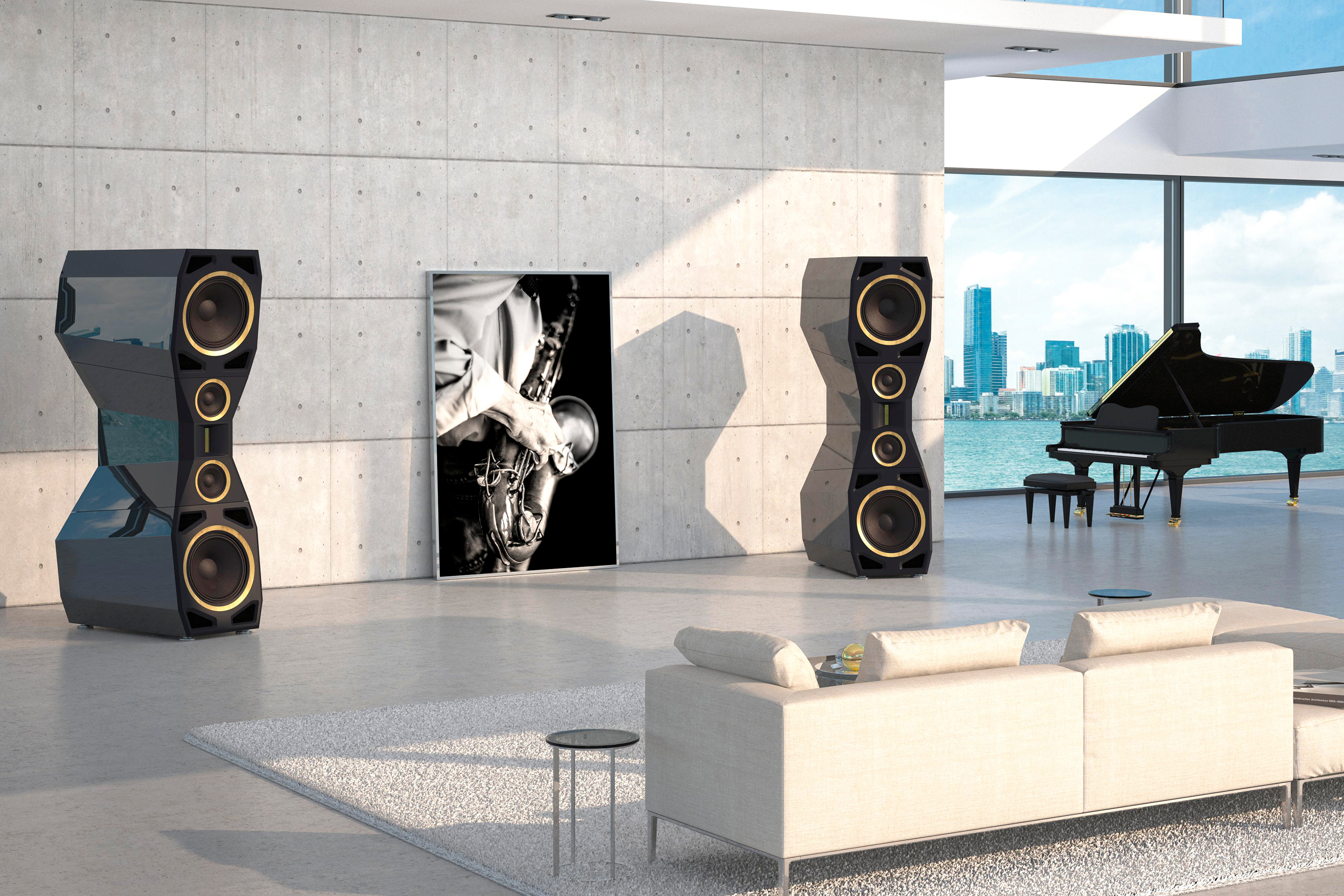
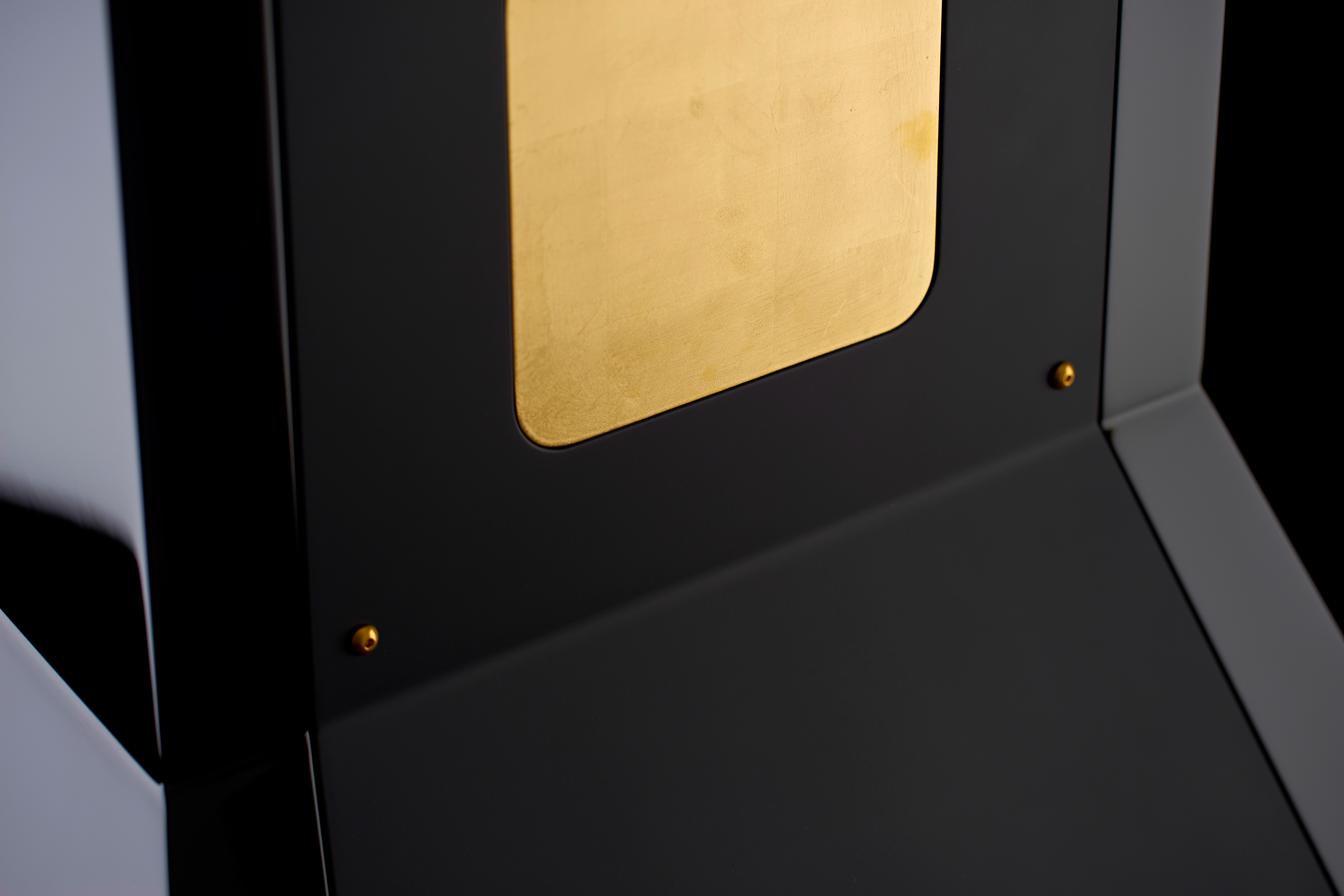
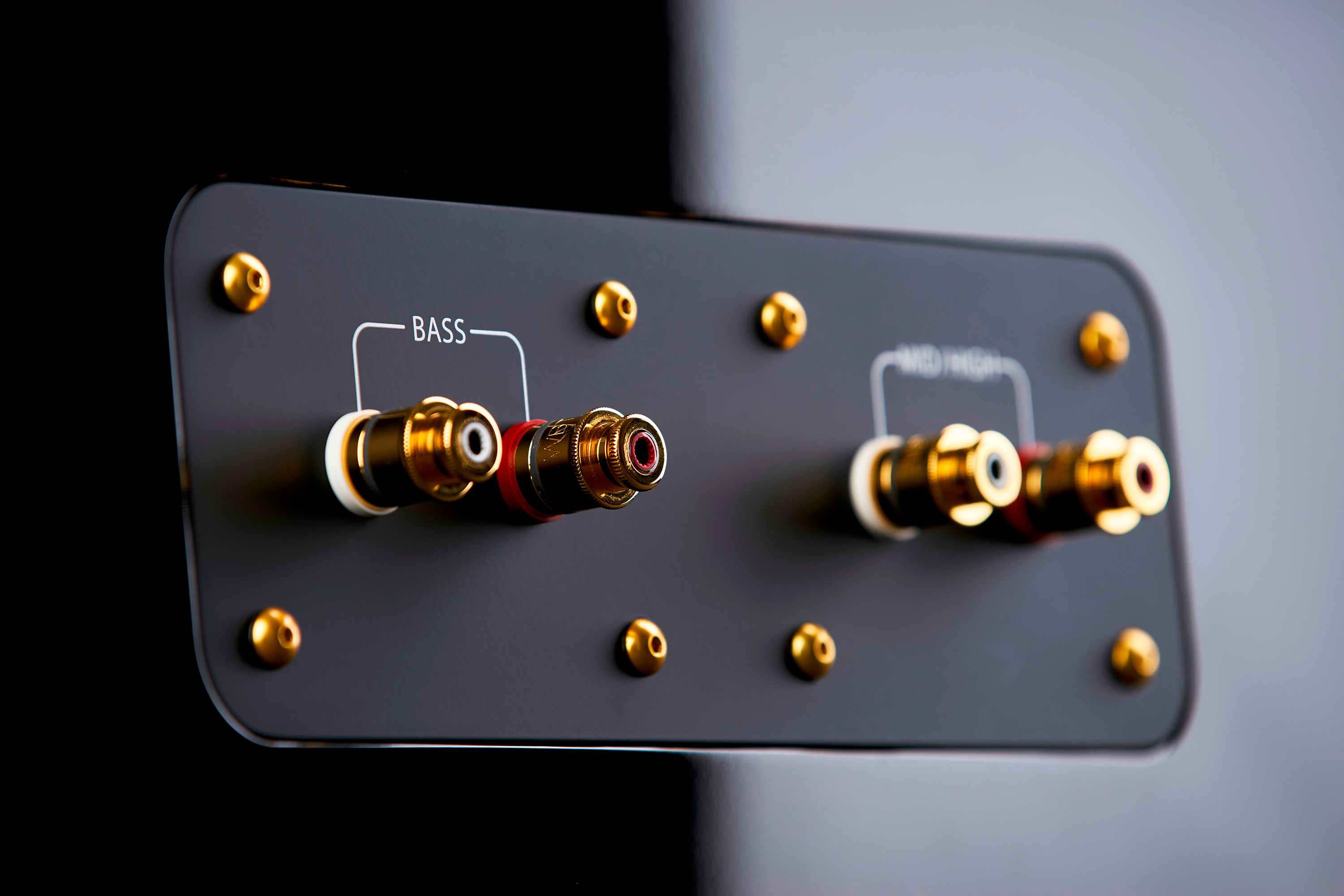
Standardowe wykończenia Czarny lakier fortepianowy, części aluminiowe w kolorze czarnym, ultra matowe, miękkie w dotyku z akcentami z prawdziwego 24-karatowego złota. Na życzenie klienta możliwe dowolne wykończenie!
Impedancja nominalna 4 omy, impedancja minimalna przy pojedynczym okablowaniu 3,3 omy przy 100 Hz
Skuteczność 98 dB / 1 W / 1 m
Częstotliwość zwrotnicy 120 Hz / 1600 Hz
Pasmo przenoszenia 21 - 24 000 Hz (-3 dB)
Wymiary 226 cm (wys.) x 79 cm (szer.) x 114 cm (gł.)
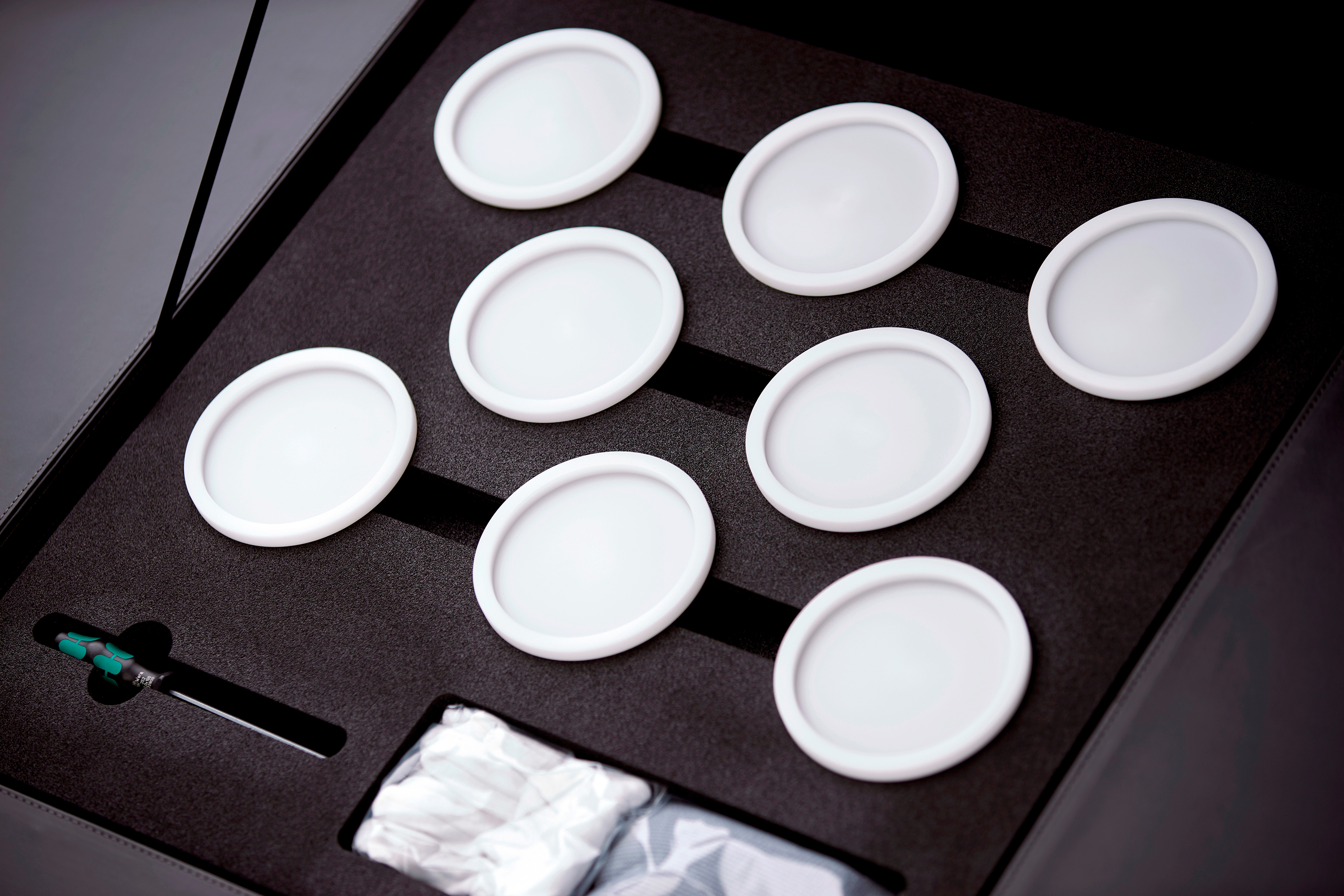
Opakowanie 3 profesjonalne skrzynie transportowe dla każdego głośnika.
Waga 530 kg bez opakowania, 890 kg wraz z opakowaniem transportowym dla każdego głośnika
Goebel Divin Majestic
Recenzje
Recenzja Goebel Divin Majestic w Gy8
What makes a speaker system this large and this physically imposing so easy to ignore and ultimately forget? The key lies in that presentational quality that’s so apparent in these smaller recordings: quiet. It also lies in the fact that whilst the Majestic might look like a conventional, dynamic loudspeaker, albeit one built into a remarkably complex shaped cabinet, there actually almost nothing conventional about the drivers or the cabinet. Despite appearances, the Divin speakers apply a unique approach and unique technology to a familiar problem, an approach and technology that are clearly reflected in the unique results achieved.
The speaker’s unburstable dynamic range and uninhibited dynamic response inject life and energy into the playing, the temporal exactitude keeps things on track and pointed in the right direction. When the score builds, so does the intensity and level, but the instruments never wander on the stage or crowd forward: just listen to the helter-skelter plunge from solo instrument into the full-bore finale of the third movement. Even more impressive, when the music hesitates or stops mid flow – it stops dead, with that special silence that the Wadax reproduces (and the speakers preserve). That, more than anything else, demonstrates just how little smudging, slurring of leading edges or blurring of harmonic tails the speakers (or more precisely, their cabinets) append to the signal.
With that in mind, the first disc I reached for was Víkingur Ólafsson’s Debussy-Rameau (DGG 4837701) – a big instrument but playing full of restraint, delicacy and temporal sensitivity. The system conjured a solid, credible, life-sized piano, planted in space. It didn’t move or waver. It didn’t shimmer. It offered a solid, substantially dimensional space, defined by the notes and harmonics of the playing. Note weight and attack were beautifully clear and natural, graduation and pace through the phrases fluid and articulate. But the ‘gotcha’ moment came at the first pause in ‘La Demoiselle élue’, as the harmonics of the last chord played extend – and extend – and extend… before being silenced by the damper. The complex harmonics are impressive enough: I’ve never heard their interlocking layers so clearly defined or seem so vibrant: they’ve never seemed to hang for so long, yet despite that, their sustained length seems not just natural, but just right. Yet the kicker comes after the pedal. As Ólafsson damps the chord it reveals absolute quiet. This isn’t the clichéd ‘black back drop’ we hear so much about. It’s not transparency. It’s not a lower noise floor – at least not in the conventional sense. There’s none of the grain, texture or almost sub-audible presence you hear from every other system I’ve ever listened to. This is complete, utter, silence…
This ability for instruments to be simultaneously both substantial and delicate is one of the great divides between live performances and recordings of them. It’s a chasm that this system bridges effortlessly. Whether it’s the astonishing dexterity, precision and focussed energy of Sol Gabetta dominating Vivaldi’s Winter from The Four Seasons (with the transcription of the first violin’s solo part for cello, Il Progetto Vivaldi 1-3, Sony 8887503952), the delicacy and artistry of John Williams’ picking, the attack and tonal density in his strummed chords (the beautiful Danzas Peregrinas from Concerto, JCW3 on his own label) or the vivid energy and intensity of Anastasia Kobekina’s playing, the subtle accompaniment and explosive interjections of the tambourine, on the track Gallardo (from Ellipses, Mirare MIR604), there’s a natural sense of uncompressed energy (micro or macro), dynamic graduation and proportion that is vividly, compellingly convincing.
The speaker’s unburstable dynamic range and uninhibited dynamic response inject life and energy into the playing, the temporal exactitude keeps things on track and pointed in the right direction. When the score builds, so does the intensity and level, but the instruments never wander on the stage or crowd forward: just listen to the helter-skelter plunge from solo instrument into the full-bore finale of the third movement. Even more impressive, when the music hesitates or stops mid flow – it stops dead, with that special silence that the Wadax reproduces (and the speakers preserve). That, more than anything else, demonstrates just how little smudging, slurring of leading edges or blurring of harmonic tails the speakers (or more precisely, their cabinets) append to the signal.
That physical sense of energy extends across the range. Play the Art Blakey track ‘Moanin’’ (Blue Note UHQ-MQACD-UCCU-40120) and the tonal density of the brass instruments, the attack and action of the piano, the clarity and pitch of the bass notes and the location and separation of the instruments produce a vivid, punchy sense of presence and vitality. When Lee Morgan lets rip in his first solo, Bobby Timmons’ muted, subtle piano prompts are just where and when they should be. Enter the sax and its reedy tonality is so distinct and separate from the trumpet that there’s no confusing not just the instrument but the nature of the sound it produces. Blakey’s drumming has slap, attack and a propulsive rhythmic precision, Jymie Merritt’s bass solo is articulate and fluid, a world away from the limp, muddled stumble that most systems produce. You want live, club levels? You’ve got them. You want to know what it’s like to sit in front of Lee Morgans horn? You will…
Link do recenzji: Goebel Divin Majestic – Gy8
Goebel Divin Majestic
Nagrody
Goebel Divin Majestic
Galeria
Zobacz także

Goebel
Cennik
Cennik Goebel
Link: Cennik Goebel
Goebel
Dealerzy
Dealerzy Goebel
Link: Dealerzy Goebel