
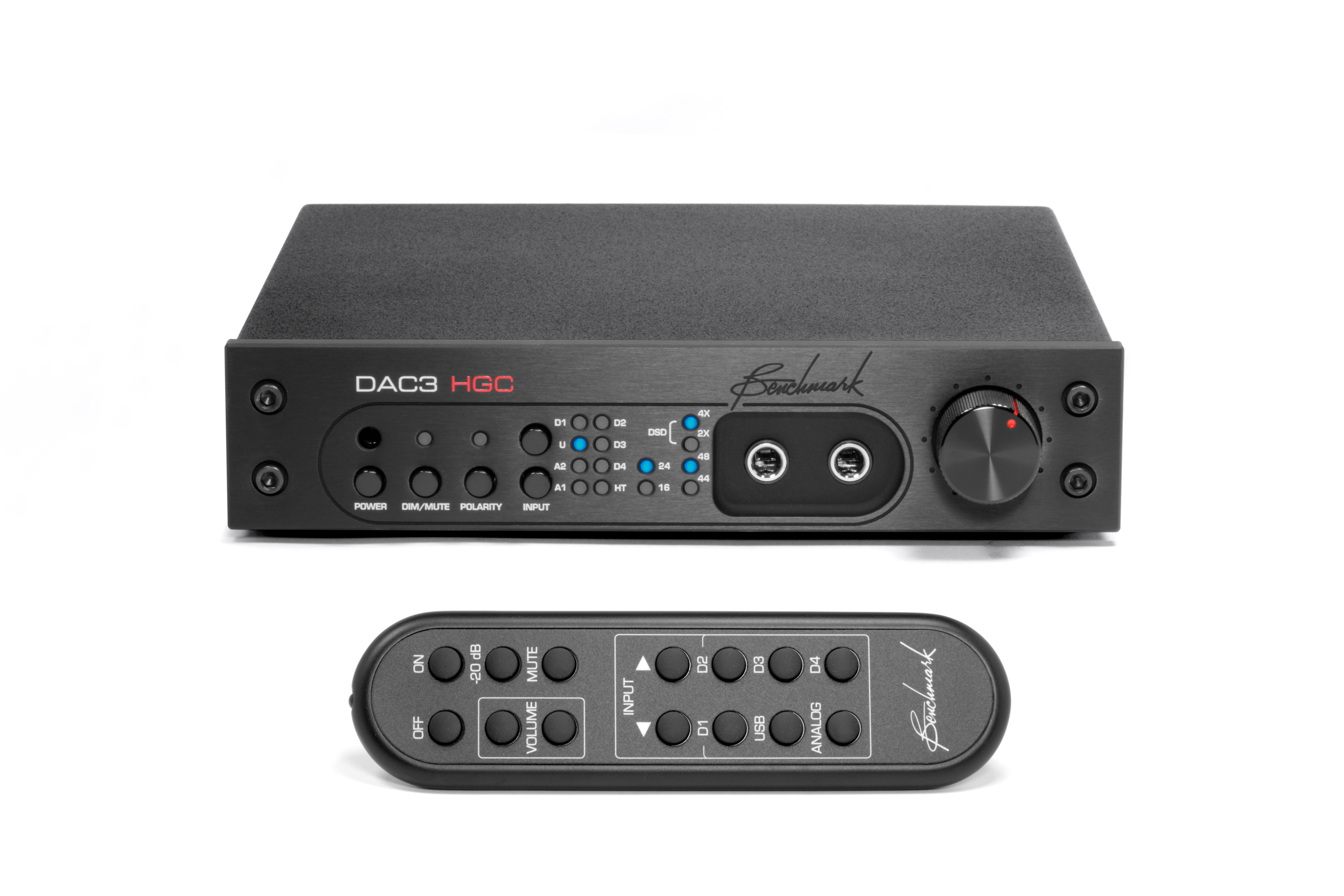
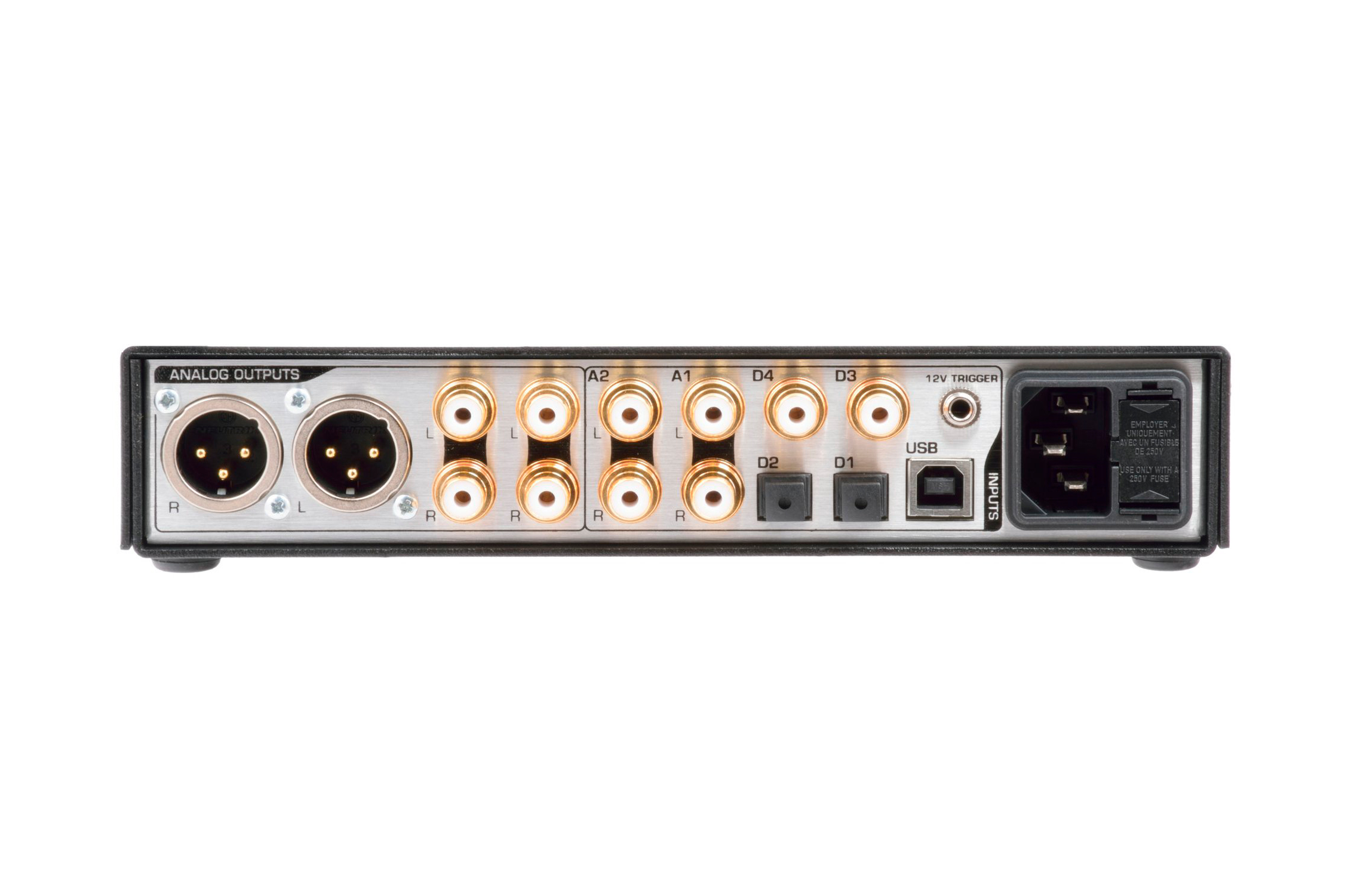
Benchmark DAC3 HGC
Recenzje
Recenzja Benchmark DAC3 HGC w Audio
DAC3 HGC może być uznany za wzorcowy w tej klasie cenowej w takich kategoriach, jak neutralność i precyzja. Z tymi cechami może stawać w szranki ze znacznie droższymi konstrukcjami, jednak jego brzmienie nie jest "złotym środkiem" – to bezkompromisowa, profesjonalna równowaga, rozdzielczość i analityczność, bez upiększania, ocieplania, romantyzowania.
Wypada jednak podkreślić, że przejrzystość i szczegółowość nie wiążą się z rozjaśnieniem;tonalnie dźwięk jest bez zarzutu, równiutki, staranny, skrupulatny, bez nadmiernego blasku, fajerwerków, "napowietrzenia".Wszystko jest zwarte, krótkie i konkretne. Bas nie ma problemów w niskimi zejściami, ale i one są twarde, tak jak uderzenia z wyższego podzakresu.
Benchmark DAC3 HGC gra stanowczo, dobitnie, pewnie, a przy tym jest wrażliwy i "pamiętliwy", pokaże każdy smaczek i brud. I znowu zastrzeżenie – nie jest to wcale ostrość i jaskrawość, ewentualnie suchość, przez którą wszystko słychać wyraźniej. Ktoś powie, że nie zawsze przyjemniej… Jeżeli więc komuś zabraknie ciepełka, niech poszuka odpowiedniego wzmacniacza.
Benchmark DAC3 HGC jest dla klientów, który chcą ze źródeł cyfrowych wyciągnąć całą treść, bez manipulacji i dyplomacji. Nie ma taryfy ulgowej dla słabych realizacji, nie podleje ich sosem, nie podkoloruje. W rewanżu najlepsze materiały zademonstrują dynamikę i bogactwo naturalnych wybrzmień, pięknie różniąc się między sobą.
Link do recenzji: Benchmark DAC3 HGC – Audio
Recenzja Benchmark DAC3 HGC w The Ear
Notable from the off was the bass from the DAC3 HGC and AHB2. Yes, I was also aware of how quiet they were, an eerie quietness in the silent parts, but the strength of the bassline was palpable and made me think I had connected amplification valued at several times the price. Wow! It was deep, tight and conveyed a real feeling that the electronics were in charge of the transducers.
Keeping to the same era, Simon and Garfunkel’s Baby Driver (Bridge Over Troubled Waters) might be an old analogue recording but one that really came to life with this set-up. Involuntary foot-tapping confirmed the timing ability and the overall presentation was spot-on, the Benchmark electronics created a fluent sound across a vivid soundstage; performers evident both tonally and spatially in an easy-to-believe presentation that brought the performance close. Not an unnatural, unpleasant ‘in your lap’ close, just vividly so; an at arms’ length presentation that appears natural, even down to the vocal twang. The final engine sound effect had such an amazing stereo image that it made the hairs on the back of my neck tingle. Increasing the volume merely increased the enjoyment, and that can’t be said of all amplifiers.
Switching to my Revival’s Atalante 3s and a change of genre to Shostakovich’s 24 Preludes & Fugues(Ashkenazy on Decca from 1999) and I was presented with an extremely realistic sound across an open and wide soundstage. In fact, the more classical material I listened to, the more I realised that the Benchmark’s ability to retrieve deep-down detail and display it so well across the soundstage, with accurate positioning and convincing layering, made for a glorious re-creation of the recordings. So it was with Hayden’s London Symphony 104 (BPO/Karajan) from 1975. As the work erupted with that blaze of light I nearly jumped out of my seat, the sound of the majestic fanfare so forceful, so realistic before it morphs into the subdued and atmospheric adagio introduction. The piece’s grand gestures and rustic charm came across so well as to have me captured. This is a performance both muscular yet delicate, combining power and gracefulness but all handled without hesitation by the AHB2, while others I can recall have faltered.
The Benchmark DAC3 HGC and AHB2 are cracking products, sonically superior to a lot that’s available and well priced. I’ve heard the word utilitarian used to describe Benchmark designsbut that does them rather a disservice. They are superbly designed and built to an extremely high standard.
Link do recenzji: Benchmark DAC3 HGC – The Ear
Recenzja Benchmark DAC3 HGC w Stereo Sound
今回はヘッドホン環境とスピーカー環境の両方を4パターンの組合せで試聴した。まず、DAC3 HGCのヘッドホンアンプ機能を試す(図:接続①)。MacBook ProをトランスポートにしてUSBケーブルでDAC3 HGCと接続、ゼンハイザーのヘッドホンHD800Sで試聴した。ホセ・ジェイムスのハイレゾファイル「ジャスト・ザ・トゥー・オブ・アス」では、一聴してフラットな帯域バランスで、音調も硬すぎず柔らかすぎず、まさに中立的な表現だ。全帯域ダンピングに優れ、音像を中心としたフォーカスも抜群である。
今回試した5機種に共通する最大の魅力は、リファレンスとして絶対的な信頼がおける音質であること。スペックだけではオーディオ機器の音質を推し量ることはできないが、ベンチマークの製品が出すリファレンス的なサウンドは、多くのオーディオファイルや筆者のように基準となる音を求める者にはこれ以上ないほどにフィットする。
その中でもDAC3 HGCは、DACとヘッドホンアンプが一体型なのでシステムをコンパクトにしたい方に向いているし、DAC3 BとHPA4の組合せはセパレート志向の音質を求めたい方におすすめできる。LA4とAHB2の組合せはリファレンス的なクセのないサウンドをスピーカーシステムで実現したい方におすすめだ。
また、ヘッドホンアンプが搭載されたモデルは、ドライブ力の高さも印象的だった。現時点で音の色付けのないヘッドホンアンプを探そうとすると、業務用で使われるオーディオインターフェースを利用するのがひとつの手段だと思っていたが、これらの製品は絶対的な駆動力が不足していると感じている。
いっぽうでベンチマークはデジタル入力時にネイティブ対応するレゾリューションでやや限定されるところがあるうえ、価格も決して安価ではない。しかしながら、高インピーダンスモデルや平面振動板を採用するハイエンドヘッドホンのリファレンスアンプを求めていた筆者にはまさにうってつけ。テストを忘れて長時間聴き入ってしまった。同社の今後が楽しみでならない。
Link do recenzji: Benchmark DAC3 HGC – Stereo Sound
Recenzja Benchmark DAC3 HGC w What Hi-Fi?
Once up and running the DAC3 HGC is a hugely accomplished unit. Hans Zimmer’s The Dark Knight Rises (24-bit/192kHz) is a stern test for any piece of hi-fi, with dense compositions, wild dynamics, plenty of low-end action and a strong rhythmic foundation. But the Benchmark responds with enthusiasm. There’s plenty of drive here, coupled to class-leading levels of insight and organisation.
We’re pleased with the DAC’s ability to deliver a huge and expansive soundstage populated with nicely layered instrumentation. It remains controlled and composed even when the music becomes demanding, yet uncovers a level of nuance and drama all but class-leading rivals such as Chord’s Hugo tend to miss out on.
Tonally things are well balanced, with no part of the frequency range gaining undue prominence. This is coupled to a good dose of refinement, so any aggressive tendencies in recordings, while revealed, are never overemphasised.
Moving onto Bruce Springsteen’s Radio Nowhere shows the Benchmark is happy to rock. It has a surefooted sense of timing and conveys the hard-charging momentum of the music well.
There’s plenty of attack here too, yet despite the bold presentation the DAC3 HGC never overlooks the subtleties. It has the finesse to render the passion in The Boss’s coarse vocals as well as resolve the sonic textures of the instruments used.
Moving onto Bruce Springsteen’s Radio Nowhere shows the Benchmark is happy to rock. It has a surefooted sense of timing and conveys the hard-charging momentum of the music well.
Link do recenzji: Benchmark DAC3 HGC – What Hi-Fi?
Recenzja Benchmark DAC3 HGC w HiFi Pig
One of the very first pieces of music played through the new DAC3 was ‘Manvantara’ by Bliss, a wondrous piece of music with a great deal of inner details, harmonics and intricate dynamics. To describe the overall presentation as linear doesn’t quite do the Benchmark justice, what I was presented with was a full bodied and uncluttered display of what the DAC3 was capable of. The slight African influence on the music transported me to a destination which left my listening room behind and took me on a journey into free space. Harmonically the DAC3 produced definitions of clarity that pushed away inner walls, giving height, depth and a feeling of surround sound.
Nils Lofgren’s live version of ‘Keith Don’t Go’ showed the potential speed and precision of the DAC3, strings started and stopped on a dime, decays were never sacrificed for precision and using the DAC3 really and truly lifts a veil from the system. Combinations of full bodied undertones and crisp leading edges brings music to life, extracting far more information in all areas of the frequency range than DACs costing quite a fair bit more… and the implementation of the ES9028PRO is just superb.
The sound as a whole is just so stable and relates so well with any genre of music I have played over the past week. I heard a comment the other day from another reviewer stating a DAC he was listening to was like having no DAC in the system, I can’t say I really agree with that comment, I’ve used the comment before to describe cables but not a DAC. I fully understand where he was going with the nature of his comment, for me it sounds as if the DAC3 is delivering music in an uncluttered, non-processed, transparent manner. Digital the sound is not, I could be so bold to say it sounds more analogue like – minus any noise, pops and clicks, un-rendered and typically free of artefacts and grain.
When a female artist such as Rachelle Farrell takes a breath, it’s a breath that is heard, not a sound that resembles a breath. When Joss Stone’s lips touch in-between words a moistness can be heard. When Chris Jones has a little hum while the intro is being played it’s very evident and puts a smile on my face as I can then imagine him eager to get going. All these small significant moments increase the reality of a performance.
I would like to see the brand more frequently offered by dealers as from what I can ascertain at the moment Audiophiles are being denied the ability to easily demo and appreciate what is a true Audiophile bargain and great tool for music playback.
Link do recenzji: Benchmark DAC3 HGC – HiFi Pig
Recenzja Benchmark DAC3 HGC w Everything Audio Network
First up, was a 24/192 dub of the Anthony Wilson — Our Gang SACD. This 2001 DSD-direct Groove Note Recording, is a simple jazz trio (jazz guitar, drums and organ), which has a sparse, minimalist hi-res feel — featuring a warm Gibson guitar/tube amp tone, the girthy sound of classic Hammond B3 organ and close mic’d drums with great air around the cymbals. The Anthony Wilson Trio title cut’s kick drum, and the midbass organ imprint was leaner, tighter and clearer. This allows the articulation of the air around the guitar notes and the cymbals to emerge to a proper balance. However, with this new ESS chip that low-end “over warmth” is gone. The Anthony Wilson Trio title cut’s kick drum, and the midbass organ imprint was leaner, tighter and clearer. This allows the articulation of the air around the guitar notes and the cymbals to emerge to a proper balance. I immediately noticed the improvement when A/B’ing the DAC3 and the DAC2. And it was confirmed by headphones, as well as line output through the preamp/amp path. I don’t know what ESS did in its new chip, or whether Benchmark tweaked the analog; or it is a combination of the two, but the emerging audio detail was more balanced than the DAC2.
I dubbed one of the Three Blind Mice classic albums that had been transferred to SACD, The Tsuyoshi Yamamoto Trio - Midnight Sugar. The 24/192 PCM dub includes the title track, which is an 11-minute slow burn to a faster tempo of stand up bass, a very percussive piano and drums.This 1974 analog tape, audiophile recording blends the right amount of space between the instruments with a potent piano velocity on the upper register notes. The DAC3 relayed a perfect blend of the instruments and serves up the piano note tinkle with plenty of attack, but no harshness. And the clickiness of the stand-up bass string plucks is gorgeous and airy, but not overpowering — a great balance of the low-end and the high-end. On the headphones, I could really hear the difference of this cut over older DACs like the Mytek Stereo 192 - DSD, which was harder edged and thinner sounding. Or the $900 Resonessence Concero, which also contains an older ESS chip.
Although it came out late in the year, the DAC3 was worth waiting for, and it receives the EAN Stellar Sound Award and a last-minute slide into the Everything Audio Network Product-of-The-Year Award in the DAC category.
Link do recenzji: Benchmark DAC3 HGC – Everything Audio Network
Recenzja Benchmark DAC3 HGC w Enjoy the Music
I was immediately impressed by the sound of the Benchmark Media DAC3. Before the unit was even broken in I first noticed its powerful bass response. The DAC3 had more bass than I was used to, but more importantly this bass had characteristics that were more in line with what was on the recording than I've ever heard from a DAC anywhere near the DAC3's price. The bass also went much lower than what I was accustomed to from a unit costing anywhere near as low as the DAC3, was extremely pitch stable, and never overpowered the rest of what was featured on the recording. Yes, that last quality might have more to do with the high-quality components that comprised the rest of my system, but again, never had I heard a bass that had this type of quality anywhere near the DAC3's price range.
Using full-range speakers plus a pair of large subwoofers, I was able to hear what the DAC3 was sonically attempting to tell me, that I wasn't going to miss any of the low-frequency information that was on the recording. This wasn't only noticeable with instruments that contained lots of low frequency information, such as electric bass, kick drum, and low synth tones, but was also obvious in recordings that featured an acoustic guitar, where its lowest notes rang with overtones that reached well into the bass region. The air around instruments also contained lots of low-end information, depending on the space the instruments were recorded in, or the engineer added to the recording to replicate such a sound. This also gave the sonic appearance of a widened and deepened soundstage, making it much more of a three-dimensional representation of the recording.
Used as a headphone amplifier the DAC3 seems to have many of the same traits as its main outputs., as its separation of instruments is extremely admirable, and its way of reproducing what some call a soundfield, or a headphone soundstage, is also outstanding. There isn't as much air around the instruments, and the frequency extremes aren't as fully fleshed out as the Pass Labs headphone amp, but it was to my surprise scary close to my reference in both regards. Depending on the quality of headphones used with the DAC3 one might not even be able to detect much sonic difference between it and my reference, and that's quite an accomplishment! Plus, unlike the Pass Labs HPA-1, the DAC3 HGC includes a killer digital-to-analog-converter.
Link do recenzji: Benchmark DAC3 HGC – Enjoy the Music
Recenzja Benchmark DAC3 HGC w Future Audiophile
Roger Waters, better known as one of the musical geniuses behind the legendary band Pink Floyd, released a re-take of some of the greatest songs he helped create. The Lockdown Sessions seemed to be his COVID-19 project, and includes a beautiful rendition of the song “The Gunner’s Dream”. This 24-bit recording is keyed down from the original, and Water’s aged voice is not quite like it used to be, yet there is much to love. The DAC3 HGC held the integrity of Water’s voice, as it laid above the extremely true-to-instrument piano to create a deeply realistic experience. The sound was very balanced from top-to bottom, and the separation of the female chorus was etched into their individual voices. I enjoyed the attack of the dynamics as well, the DAC3 HGC seemed to excel here.
The band Alice in Chains was a stable in my grunge era teenage years. Jar of Flies, for me, was their greatest album of musical genius, and the track “Nutshell” haunts me to this very day. A combination of acoustic guitar with electrical guitar embellishments, haunting vocals, and a complementary bass line that seems to accentuate the music at exactly the right moments is genius. Layne Staley’s voice is full of sorrow and angst and the DAC3 HGC captured his message beneath the lyrics of this quick track in a way that was hair raising.
During the more dynamic passages of Nutshell, it is not uncommon for the subtle snare work of the drums to get drowned out, however they were full-bodied and each attack was present when listening to the DAC3 HGC. Rounding off the track is one of the things 90’s era grunge was known for: The guitar solo. Jerry Cantrell plays with genius mastery, and the Benchmark DAC3 HGC truly had no problem capturing the subtle details that brought his playing into my room.
The Benchmark DAC3 HGC is a pro audio DAC with audiophile appeal that allows a look into your music as a recording/mastering engineer would hear it. While there is a lack of romance in that statement, there is a huge up-side to the DAC3 HGC. This up-side comes in the form of music appreciation on a very honest, and deep level that would appeal to musicians and those who listen to and work with live instruments. The ability of the DAC3 HGC to keep the integrity of instruments, and the recording, make the listening experience one of honesty, rather than an experience that is euphonic and romantic. I like the DAC3 HGC, and would rather have a completely authentic front-end I can throw tubes behind to soften up, if necessary, than try to get more resolution from a system that may not already have it. I certainly recommend the DAC3 HGC, and would urge anyone to put it on their list if shopping for DACs between $2,000 and $3,000.
Link do recenzji: Benchmark DAC3 HGC – Future Audiophile
Recenzja Benchmark DAC3 HGC w Audio Xpress
The DAC3 HGC retains all the virtues of its predecessor, including its remarkable transparency and a seemingly non-existent noise floor. There’s also a sense of effortlessness and a complete lack of strain even on the most complex musical scores. But, the most obvious areas of improvement are in the reproduction of inner detail and soundstage delineation.
In my 2016 review of the $10,000 Bricasti M1 Special Edition (see Resources), I noted that what set this DAC apart from others is how it “reproduces the acoustic space between individual instruments and sections of a symphony orchestra. The musicians are connected by that space with an uncanny level of realism.” That’s what I’m hearing in the Benchmark DAC3 HGC compared to the DAC2.
By better delineating the acoustic space in which the musicians perform, localization of the musicians is rendered with greater dimensionality, which adds to the impression of greater detail. The bass performance is also improved, mainly in resolution and control. On Reference Recordings’ 176.4 kHz/24-bit files of Igor Stravinsky’s Song of the Nightingale (RR-70), the delineation of the various bass drum attacks is noticeably improved. It’s not just a matter of changes in volume, but also the subtle differences in timbre and weight.
Many of my reference recordings are digital remasterings of early stereophonic material from the mid-1950s through the mid-1960s, from labels including Mercury Living Presence, RCA Victor Living Stereo, and British Decca (formerly called London Decca in the US and Japan). Though these recordings captured many outstanding performances in superb sound, I admit that these recordings also have some euphonic coloration from the analog tape and tube electronics. I prefer to play them on a transparent system, so I can hear an accurate reproduction of those recordings — the DAC3 HGC/AHB2 combination provides that.
Link do recenzji: Benchmark DAC3 HGC – Audio Xpress
Recenzja Benchmark DAC3 HGC w Headfonics
At the asking price, Benchmark is facing some heavy competition. I was hesitant at first, but the amp impressed me the more I used it. The HGC is dead silent with deeply black background and a remarkable transparency. Plugging in the Focal Elear, the sound is lush, well-rounded and very, very tight. Bass reaches very deep and is well-textured. The treble speed with DT 1990 is wowing and the DAC3 does well at bounding the headphones’ analytical tendency into very enjoyable musicality. Even my new IEM reference ProPhile-8 performs perfectly clean with not the slightest hint of noise or distortion.
Nonetheless, the Benchmark DAC3 focusses on full-size cans and performs admirably in this regard. The dynamics are almost on par with the ADI-2 Pro but the deep and black background manages to impress even more than the Chord Hugo. Plugging in some more difficult to drive modded DT 990s, the volume blasted my head off before I could notice any distortion. The DAC3 HGC has plenty of power! I can’t think of any consumer headphone that could push this one to the limit. This is a more than solid recommendation for amping headphones.
Of course, the DAC3 does not only amplify your headphones. It works as an amazing pre-amp too. Equipped with dual unbalanced outputs with RCA connection, I can think of many usages in an audio chain. To top it off, Benchmark also installed a balanced 3-pin output for the more professional setup. Set up in my home system, I went with RCA straight to a vintage ONKYO speaker amp and the sonic improvement over the Chord Hugo was immediately noticeable. The output of the DAC3 can be programmed to match the input sensitivity of your power amplifier for a better system performance. The Benchmark really sounds great as a DAC in a speaker setup.
I really don’t feel comfortable limiting the recommendation of the Benchmark DAC3 to any user. It is difficult to find any flaw and Benchmark definitely achieved as promised – “neutral studio monitoring” in the best possible way and in accordance with competing professional devices. There is no sounding or coloration and thus the DAC3 HGC provides any headphone with incredible transparent and dynamic amplification.
Link do recenzji: Benchmark DAC3 HGC – Headfonics
Recenzja Benchmark DAC3 HGC w Headphone Guru
One thing that continually impressed me about the DAC3 HGC is the extremely high level of resolution that this DAC is able to achieve. It is a detail monster and renders even the smallest nuances within a recording that will leave you speechless. The SR-009/LL match is likely the very best at fleshing out every detail from a recording, but when coupled with Benchmark’s newest offering, I was shocked at all the little details that so many of my previous DACs seemed to gloss over. Everything from hearing kd Lang’s lips open immediately prior to her singing in “Hymms from the 49th Parallel” to John Bohnman’s foot tapping as he struck the pedal on his bass drum on Led Zeppelin’s “In Through the Out Door”. The amazing thing with this extremely high level of resolution and detail retrieval, the DAC3 HGC never came off as “clinical”, but rather retained an incredibly high level of musicality and transparency both at the same time; a rare feat indeed!
When listening to the David Chesky 192kHz PCM recording of “Primal Scream” with this setup, I was hooked from the first few minutes. The extremely transparent nature of the DAC3 HGC was an open window into the recording. The tonal balance of the DAC3 was absolutely dead flat to my ears. Nothing was accentuated, but rather the bass/mids/treble perfectly flowed together without any area of concern. In fact, in terms of frequency response, I would rate the Benchmark DAC3 HGC as the most “neutral” and “get out of the way” DACs I’ve come across. If you are looking for a DAC that doesn’t impart any of its character into the recording, the DAC3 HGC is for you! Everything from kd Lang’s vocals, to the bass notes to the cymbals were all perfectly laid bare and in almost perfect proportion to each other with the DAC3. Throw in the amazing resolution that this DAC provides and you will be shocked at both what you are hearing currently and what you previously missed with other digital to analog converters.
The Focal Utopia headphones were brilliant with this combination. In fact, this was as good as I’ve ever heard them. The headphone amplifier (HPA2TM) very much reminds me of the most excellent HeadAmp GS-1. This headphone amplifier sold for $1000 when it was available and offered incredible drive, control and transparency. The HPA2 is very much in that same vein. Just as with my HeadAmp GS-X Mk2 (the balanced and upgraded version of the GS-1), the amplifier section on the Benchmark DAC3 HGC is a “get out of the way and just add gain to the signal” type of amplifier. Very similar results were attained when I plugged in my 300 ohm Sennhesier HD800S headphones. The utmost in clarity and transparency could easily be heard. In fact, when playing Queen’s “Another One Bites the Dust”, the initial bass drum thumps were forceful, very well defined and incredibly tight! The bass is so well controlled that it offers just the right amount of decay on the recording; never more. Bass notes don’t overly linger and smear the presentation, but what you get is a very well defined and clean sound with incredible instrumental separation. Back to The Jazz Side of the Moon, the soundstaging of the Benchmark DAC3 HGC was outstanding. Each player was clearly defined in that soundscape and they never overlapped into each other. Listening to David Chesky’s take on “Money” with the Audeze LCD-4s revealed that the DAC3 was fully up to the task to not only properly power these power hungry headphones, but offer outstanding definition, clarity and class leading resolution. The amplifier section of the DAC3 HGC (like the DAC section) was able to dig to the lowest depths of the recording and pull out the smallest of the smallest details and render them in a way that never came off as clinical. From the individual string picks by the musicians’ fingers to the very slight top taps on the stage; they were all there and this only helped to transport me in time and space to the actual recording of this album! The musicality of this brilliant recording was laid bare and the headphone amplifier section was able to drive the LCD-4s with full authority. Something I felt the significantly more expensive Chord Hugo TT (and DAVE for that matter) never could fully do and required a separate amplifier to get the most out of these headphones. But the 1.25W on board the DAC3 HGC were more than enough to play even the most demanding of recordings.
Link do recenzji: Benchmark DAC3 HGC – Headphone Guru
Recenzja Benchmark DAC3 HGC w hi-fi+
What surprised me about the DAC3 was just how capable it was with a surprisingly catholic selection of music. It’s easy to point to a few audiophile recordings that sound great, in part because they sound great on anything, but this is more accommodating beyond the audiophile comfort zone. I’ve been playing Gang Signs & Prayers by Stormzy [#Merky Records, on TIDAL] and grime isn’t high on the playlists of audiophiles, but it seriously works through the Benchmark DAC3. It’s fresh, clean, and dynamic, never once making too much of a thing about the compression, exaggerating the top-end, or making it seem too diffuse or amusical.
There’s an intrinsic sense of honesty to the sound. Stormzy’s fun but there isn’t much imaging involved, where ‘It’s Goodbye And So Long To You’ from Alison Krauss new Windy City album [Capitol, also on TIDAL] is atmospheric and expansive, with Krauss’ soprano soring high and pure, with an almost nostalgic acoustic bluegrass backing sitting a step or two behind and around her. Even moving to large scale orchestral, or transient-led electronica didn’t phase the DAC3 HGC, as it always sounded, just right… in the Goldilocks sense.
Looking to the headphone amplifier, and in passing addressing that claim about balanced operation. I think Siau has a point, that the importance of balanced operation in headphone amplifier is not necessarily a requirement of better sonic performance, simply a means whereby an expensive headphone amplifier can justify additional cost. That being said, the full Questyle Golden Stack (which is a true balanced, dual mono design) does sound exceptionally good. But the Benchmark more than makes its own argument through its own sound quality on headphones. As with its predecessor, the headphone amplifier is detailed and capable, can drive practically everything with ear-cups (save for electrostatics), and yet is noise-free enough to work with very sensitive IEMs. And again, pragmatism reigns here: there are sonic benefits to be had moving from the DAC3 up to either one of the ultra-DACs or a dedicated and expensive standalone headphone amplifier, but they become harder to justify as they will not come cheap.
Link do recenzji: Benchmark DAC3 HGC – hi-fi+
Recenzja Benchmark DAC3 HGC w Tech Hive
Jazz, hip-hop, classical, or rock, the Benchmark DAC3 proved a maestro of any musical genre, consistently demonstrating tremendous balance, refinement, neutrality, and most of all, command. If the recording has it, the Benchmark is capable of rendering dynamic bass that never loses control, resolves fine musical details without erring toward being bright, and displays a beautiful midrange neutrality that doesn’t cross over to becoming analytical. Those characteristics were all on display playing the hi-res versions of Pink Floyd’s classics Wish You Were Here and Dark Side of the Moon. Each of the alarm clocks on “Time” during the track’s opening stood firmly in space and time. The bass notes that come in at the song’s 00:59 second mark burst out and faded with control and refinement.
The DAC3’s dynamics are superlative. Listening to the chorus of Mozart’s Requiem was like experiencing a performance from the balcony in a concert hall. In my notes I underscored the way that the DAC3 balanced both dynamics and delicacy.
Playing Dido’s “No Freedom” via Tidal from the album, The Girl Who Got Away, I noted the Benchmark’s ability to create a deep, wide, and layered sound stage that I normally don’t equate with this song. Dido’s rich vocals were rendered with appropriate body and detail. On the DSD64 version of Steely Dan’s Gaucho, sax lines were pure, smooth, and never brittle. Once again, the sound stage was deep, wide, and detailed.
I turned to the hi-res version of Led Zeppelin’s “Ramble On.” Plant’s vocals were rendered with precision and timbral accuracy, and Jimmy Page’s riffs exhibited the utmost refinement.
Finally, the DAC3’s transparency and control brought out each headphone’s strength, weakness, and character with brutal honesty.
Link do recenzji: Benchmark DAC3 HGC – Tech Hive
Benchmark DAC3 HGC
Nagrody
Benchmark DAC3 HGC – Stereophile – Recommended Components 2026
Benchmark DAC3 HGC – Stereophile – Recommended Components 2025

Benchmark DAC3 HGC– The Ear – Editor's Choice

Benchmark DAC3 HGC – Everything Audio Network – Product of the Year 2016

Link: Benchmark HPA4 – Everything Audio Netwirk – Product of the Year 2016
Benchmark DAC3 HGC – Everything Audio Network – Stellar Sound Award!

Although it came out late in the year, the DAC3 was worth waiting for, and it receives the EAN Stellar Sound Award and a last-minute slide into the Everything Audio Network Product-of-The-Year Award in the DAC category.
Link: Benchmark DAC3 HGC – Everything Audio Network – Stellar Sound Award!
Benchmark DAC3 HGC – HiFi Pig – Highly Recommended

I would like to see the brand more frequently offered by dealers as from what I can ascertain at the moment Audiophiles are being denied the ability to easily demo and appreciate what is a true Audiophile bargain and great tool for music playback.
Benchmark DAC3 HGC – Enjoy the Music – Blue Note Award 2018

The Benchmark Media DAC3 HGC is a fantastic digital-to-analog converter that comes with a fantastic headphone amplifier with two outputs, and can also double as a fantastic preamplifier. Its asking price is more than reasonable for such a versatile component, with a sound quality that can be compared to units costing much more. Whether or not one likes the sound of the DAC3 depends on the audiophile who auditions it, since those who are hard of hearing might not like it.
Link: Benchmark DAC3HGC – Enjoy teh Music – Blue Note Award 2018
Benchmark DAC3 HGC – TechHive – Editors' Choice

The DAC3 HGC is undeniably geared toward the discerning music lover or audio engineer who values peak performance. If you’re passionate about music, have the funds, and aren’t looking for bells and whistles, you can’t go wrong with Benchmark’s DAC3 HGC. Pair it with the right headphones and you’ll have many days and nights of sonic bliss.
Benchmark DAC3 HGC – Stereophile – Product of the Year 2018

Benchmark Media Systems' DAC3 HGC is evidence that an engineering-focused company—one that seems to spend more time staring at instruments than testing its devices with their ears, and that cares more about transparency than it does about whether or not you like the sound their products make—can produce a product of astonishing fidelity and emotional expressiveness. Science works. Artists may be sexy, but never underestimate a good geek.
Link: Benchmark DAC3 HGC – Stereophile – Product of the Year 2018
Benchmark DAC3 HGC – Stereophile – Editor's Choice 2018

Benchmark has created a long line of DACs (several of which I've purchased) that present recordings with as little embellishment as is possible at their price points. The latest incarnation, the DAC3, is no exception, and excels at presenting the unvarnished truth, as the artist intended.
Link: Benchmark DAC3 HGC – Stereophile – Editor's Choice 2018
Benchmark DAC3 HGC – Stereophile – Recommended Components 2025

Benchmark DAC3 HGC – Stereophile – Recommended Components 2024

Benchmark DAC3 HGC – Stereophile – Recommended Components 2024

Benchmark DAC3 HGC – Stereophile – Recommended Components 2023
Benchmark DAC3 HGC – Stereophile – Recommended Components 2023

Benchmark DAC3 HGC – Stereophile – Recommended Components 2022

Benchmark DAC3 HGC – Stereophile – Recommended Components 2021

Benchmark DAC3 HGC – Stereophile – Recommended Components 2021

Benchmark DAC3 HGC – Stereophile – Recommended Components 2020

Benchmark DAC3 HGC – Stereophile – Recommended Components 2020

Benchmark DAC3 HGC – Stereophile – Recommended Components 2019

Benchmark DAC3 HGC – Stereophile – Recommended Components 2019

Benchmark DAC3 HGC – Stereophile – Recommended Components 2018

Benchmark DAC3 HGC – Stereophile – Recommended Components 2018

Benchmark DAC3 HGC – Stereophile – Recommended Components 2017

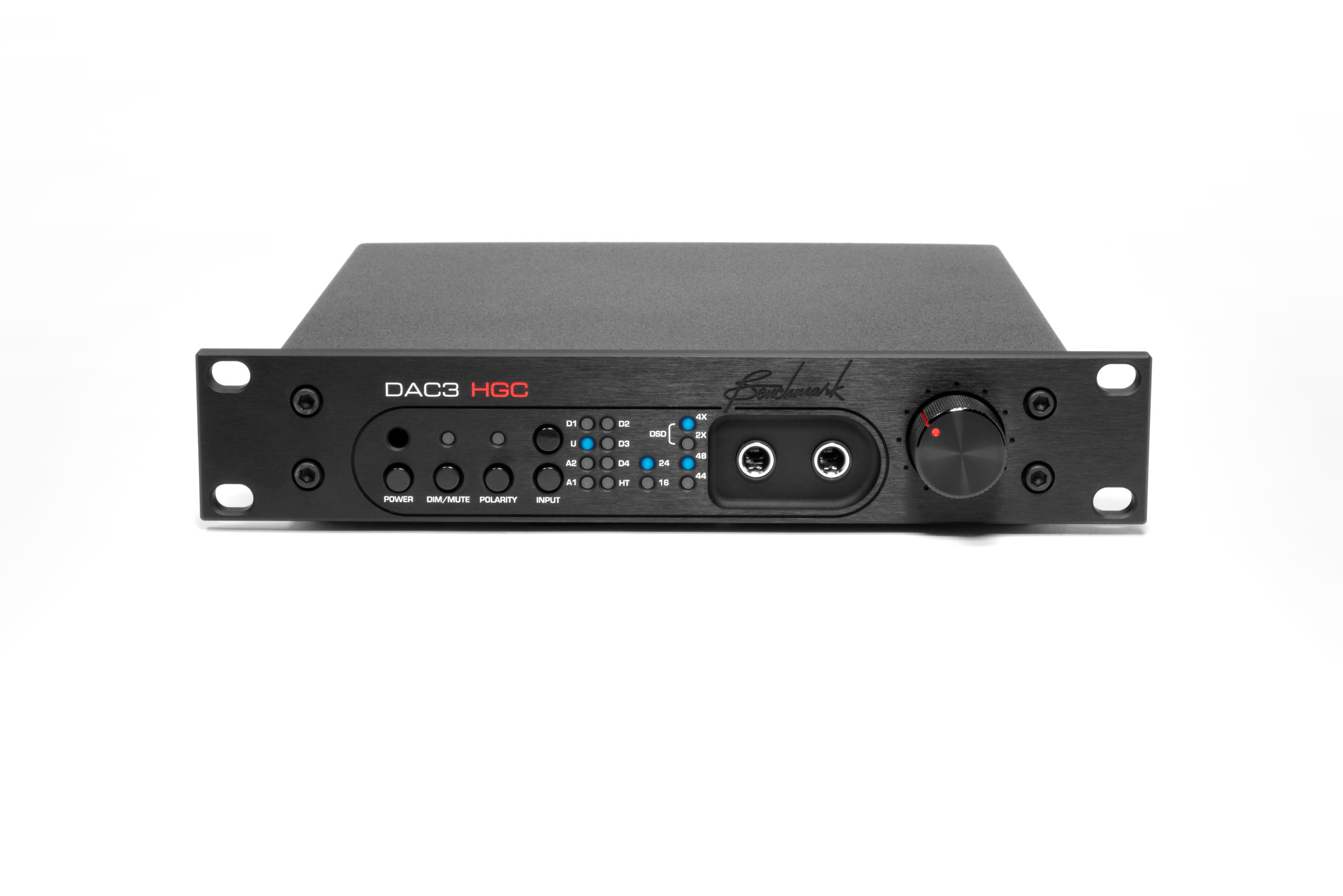
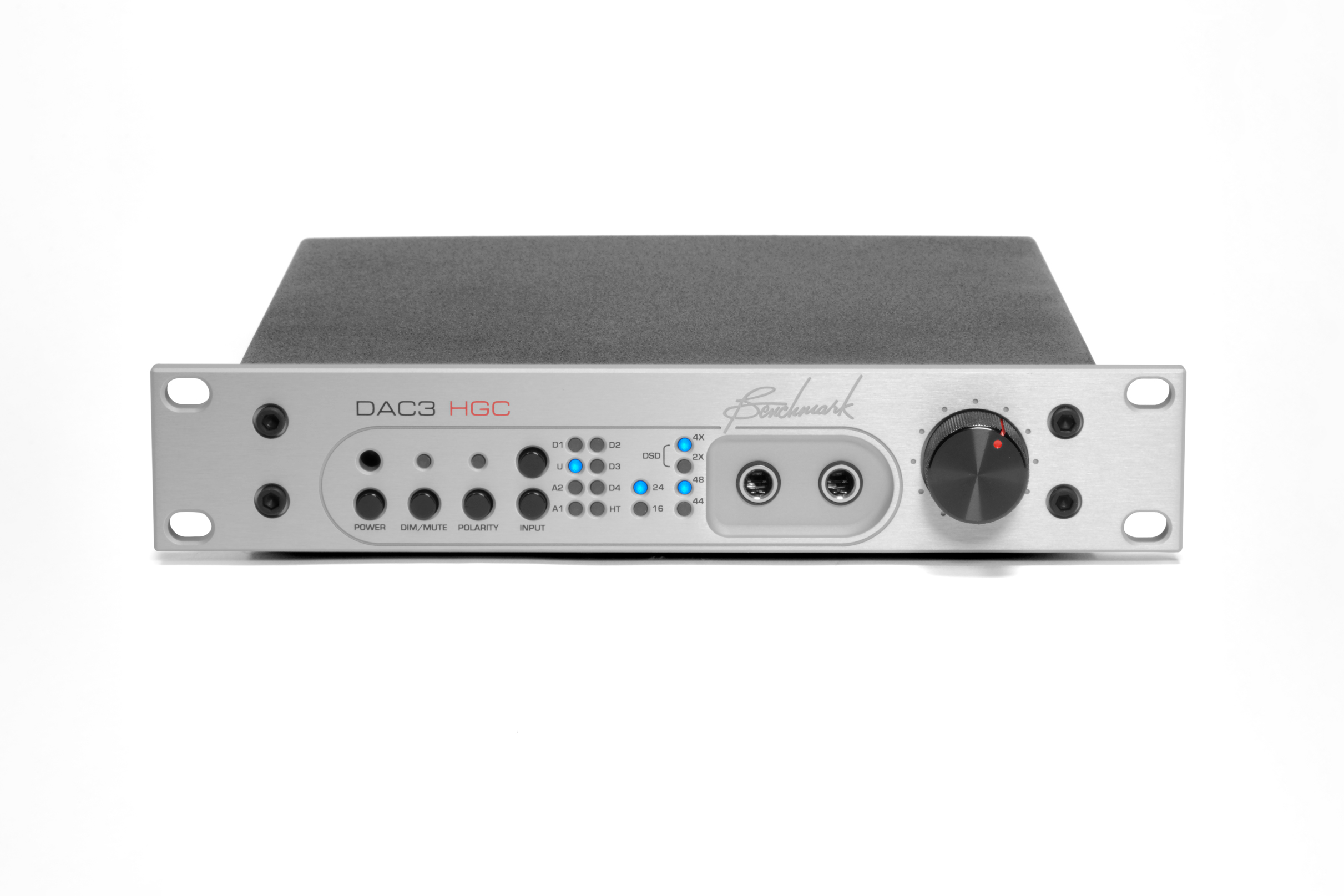
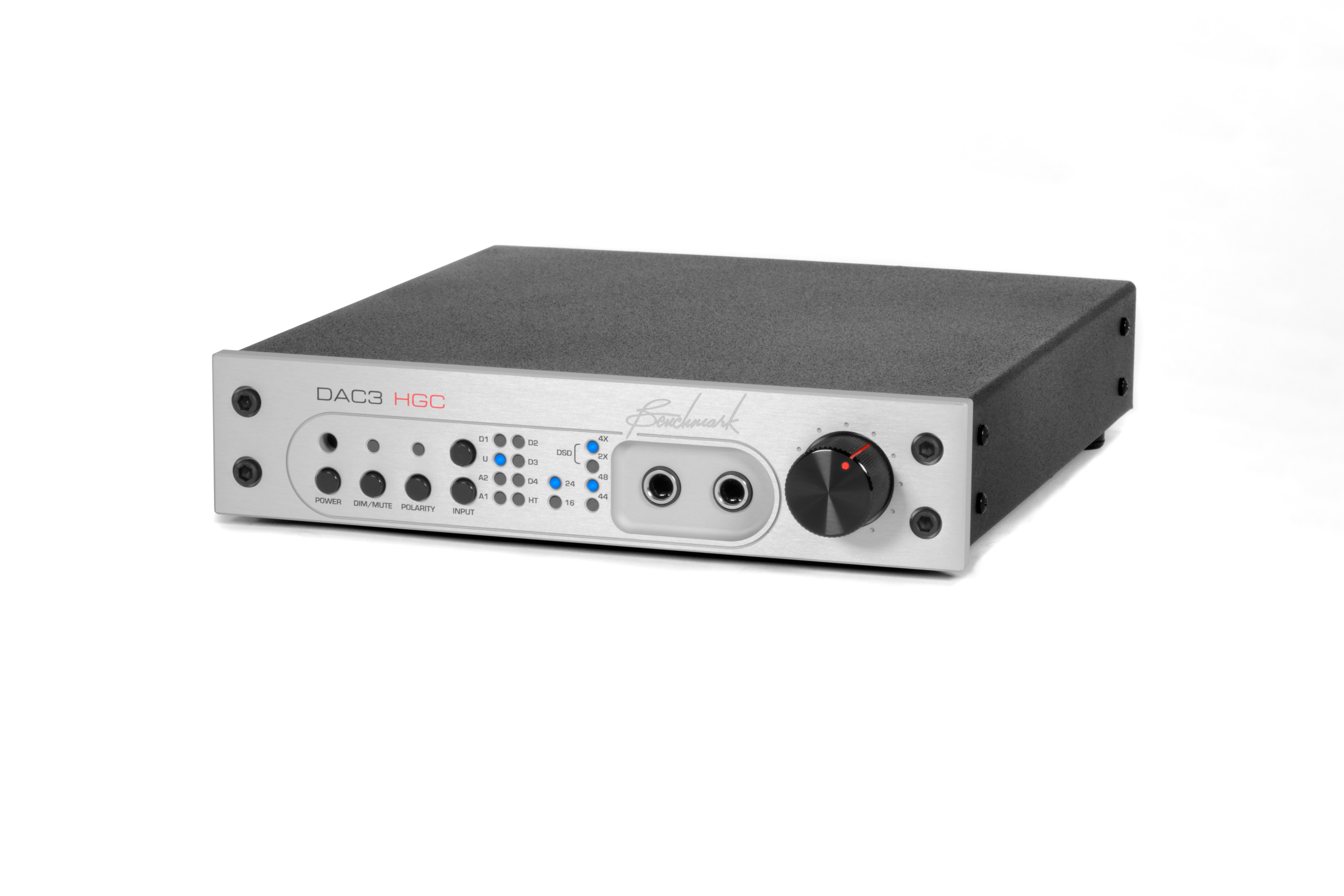
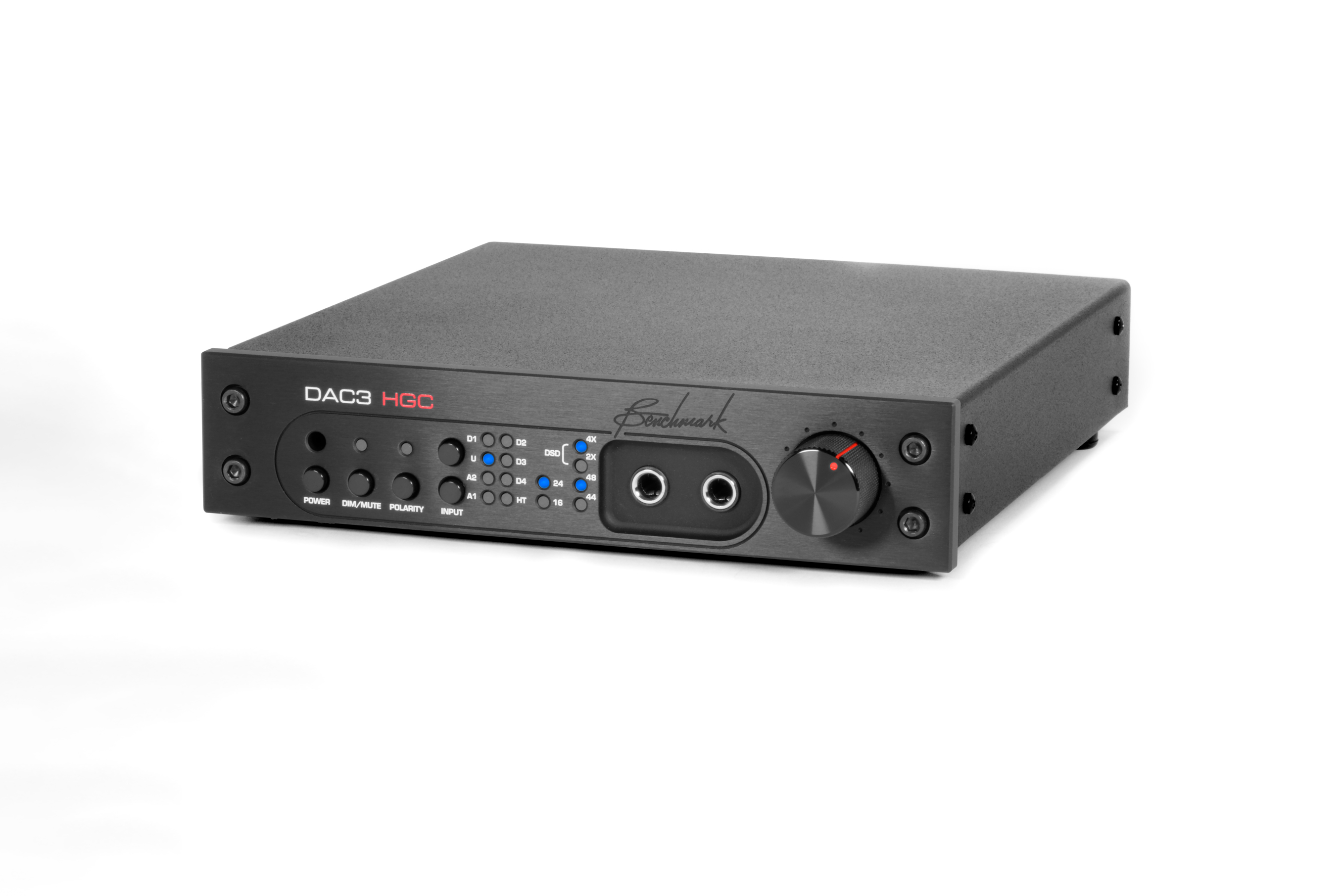
Benchmark DAC3 HGC
Galeria
Zobacz także

Benchmark
Cennik
Cennik Benchmark
Link: Cennik Benchmark
Benchmark
Dealerzy
Dealerzy Benchmark
Link: Dealerzy Benchmark