
Antipodes Kala 50
Recenzje
Recenzja Antipodes Kala 50 w Stereophile
With the optimal server and player software, the best output connections compatible with my DAC, and files sourced from optional user-added solid state drives that can store up to 24TB, the Antipodes K50 music server distinguished itself as the finest-sounding music server ever to grace my system. Image size and weight, color saturation, bass control, and transparency were the best my system has ever delivered. Listening was the most enjoyable and rewarding I've ever experienced at home. That is cause for celebration.
But for sound alone, Squeeze and Squeezelite ruled on the K50. "Your system has never sounded better," proclaimed the husband during a rare visit to the music room to hear the final movement of Mahler's Symphony No.4, as remastered on Classic Kathleen Battle: A Portrait (16/44.1 WAV, Sony), sourced from my NAS and performed by Ms. Battle and the Vienna Philharmonic under Lorin Maazel. Three weeks earlier, he had heard the same music through my reference server.
On this delightful, heartwarming recording, images were larger and had more substance than usual. Bass was more solid and impactful, highs a mite more vivid. Colors were full and inviting, and transparency was excellent. From a recording notable for its wide soundstage, the K50/Squeeze combo projected a different sense of openness than I'm accustomed to, with more of the space between widely spaced instruments filled with the radiant sound of the instruments themselves. This is not a euphemistic way of suggesting that the soundstage was congested: It wasn't. Rather, the weave of the instrumental fabric was tighter. Figuratively speaking, I couldn't hold up the fabric to the sun and perceive as much light penetrating between the threads, because the fabric was so all-of-one-piece.
I also revisited a recording that I reviewed in the September issue, Finnish composer Sebastian Fagerlund's Nomade Water Atlas (24/96 WAV, BIS-2445), performed by cellist Nicolas Altstaedt and the Finnish Radio Symphony Orchestra under Hannu Lintu. Through the K50, the orchestra sounded fuller, warmer in the middle, and more dynamic and coherent than I recalled; it was noticeably more of one piece. Some of my scribbled comments: "Thrilling ... what great stuff ... really exciting ... percussion excellent ... great midrange ... I think the additional color and weightier midrange, albeit subtle, significantly increase the music's impact."
From the sublime to Yello's "Electrified II" from Toy (24/48 WAV, Polydor 4782160): The K50 delivered some of the most solid electronically generated deep bass ever reproduced by the Wilson Alexia 2 loudspeakers in my room. I marveled at the extra depth and resonance in the voice of Swiss septuagenarian Dieter Meier. Equally revelatory was James Blake's self-produced "There's a Limit to Your Love" from James Blake (16/44.1 WAV, A&M 949999). For the first time ever, I heard the quality and pitch of those ridiculously strong electronic bass blasts shift midstream. How is it possible that I never heard that before?
Link do recenzji: Antipodes Kala 50 – Stereophile
Recenzja Antipodes Kala 50 w Hifi-Advice
I was forewarned that the power supply needs copious amounts of running in, but regardless, the K50 blew me away right from its first notes. What happens with prolonged use after about 3 weeks is that the sound gradually becomes a little sweeter and more relaxed. Even so, one of the most overwhelming aspects that I noticed right at the beginning was just how organic the K50 sounds.
Switching to the complete K50 package as a Roon Server and Roon Player with its Reclocking Digital Output section and using the Jorma AES/EBU cable, still with the Aqua/Audio-GD/Aequo setup, the leap in performance was absolutely stunning.
This was definitely something else!
Most remarkably, the soundstage has a depth of imaging that reminds me of what the Wadia 861 CD player could do. At that time, I compared the player’s output and input independently and established that the player’s Clocklink function was crucial to it producing a deep soundstage. Since then, I have used countless servers and streamers with various connection methods but not a single unit has come close to reproducing that kind of depth without introducing unwanted side effects. Until now, that is.
One of the K50’s unique strengths is that it not only produces music in a natural and free-flowing manner, it also has great PRaT and the uncanny ability to reproduce everything in a most realistic manner, making all the instruments sound utterly authentic and convincing.
When comparing Roon Server + Roon Player to Roon Server + Squeezelite, the aforementioned Roon effect is not fully gone but the bass tightens up, transients become faster and the entire presentation just becomes a little bit directer and clearer – importantly, while retaining 100% of the organic naturalness.
In a deviation from the results with the C1 DAC, USB with the Final Touch Audio Callisto cable connected to the Aqua DAC has a nice and gentle, slightly sweet and free-flowing quality to it which, with this DAC, may make it a preferred connection for some ears. Interestingly, with the Aqua DAC, I don’t really feel very strongly that USB is more stilted or mechanical than AES/EBU. Still, to my ears, also with the Aqua, the Jorma AES connection remains technically superior with the tightest, most articulate and purest sound even if some of the aforementioned ears may find it a little too controlled with this DAC.
Link do recenzji: Antipodes Kala 50 – Hifi-Advice
Recenzja Antipodes Kala 50 w Audiophile Style
An item I almost always notice before anything else is the reproduction of transients and the leading edge of Yamamoto’s piano. Through the K50, the absolute first thing I noticed was the beautiful tone of his piano. Yes the transients were there, but the tone was what placed me inside the recording venue.
There was something about the reproduction of this album through the K50 that enabled me to forget about the microscopic details and just let the music hit me, feeling the tone as much as hearing its lush beauty. When I listened for it, the details were of course present, but remained an area of less interest to me while I got lost in the music more than anything.
Moving from 1974 to 2000, I played Pearl Jam’s album titled Binaural. On the track Nothing As It Seems, Mike McCready’s guitar tone was epic through the K50. Right from the opening notes, through Stone Gossard’s rhythm playing, and Mike’s continued lead guitar magic and solo around 1:50, it was as if my Wilson Alexia V speakers had turned into Marshall stacks. This entire track had terrific separation and delineation of instruments. Such clear reproduction enabling the listener to figuratively look at the soundstage and hear a single musician, isn’t common, especially when listening to music that was produced without audiophiles in mind.
Sound quality through the K50 was as expected, excellent. The team at Antipodes leaves little to chance, and it shows, or should I say sounds. I fell in love with the sound of my favorites from Tsuyoshi Yamamoto, Pearl Jam, and dare I say Beyonce. The K50 isn’t a one trick pony, it reproduces everything with high fidelity. This resulted in many hours of enjoyment for me and a rekindled love for my two channel system.
Link do recenzji: Antipodes Kala 50 – Audiophile Style
Recenzja Antipodes Kala 50 w Hifistatement
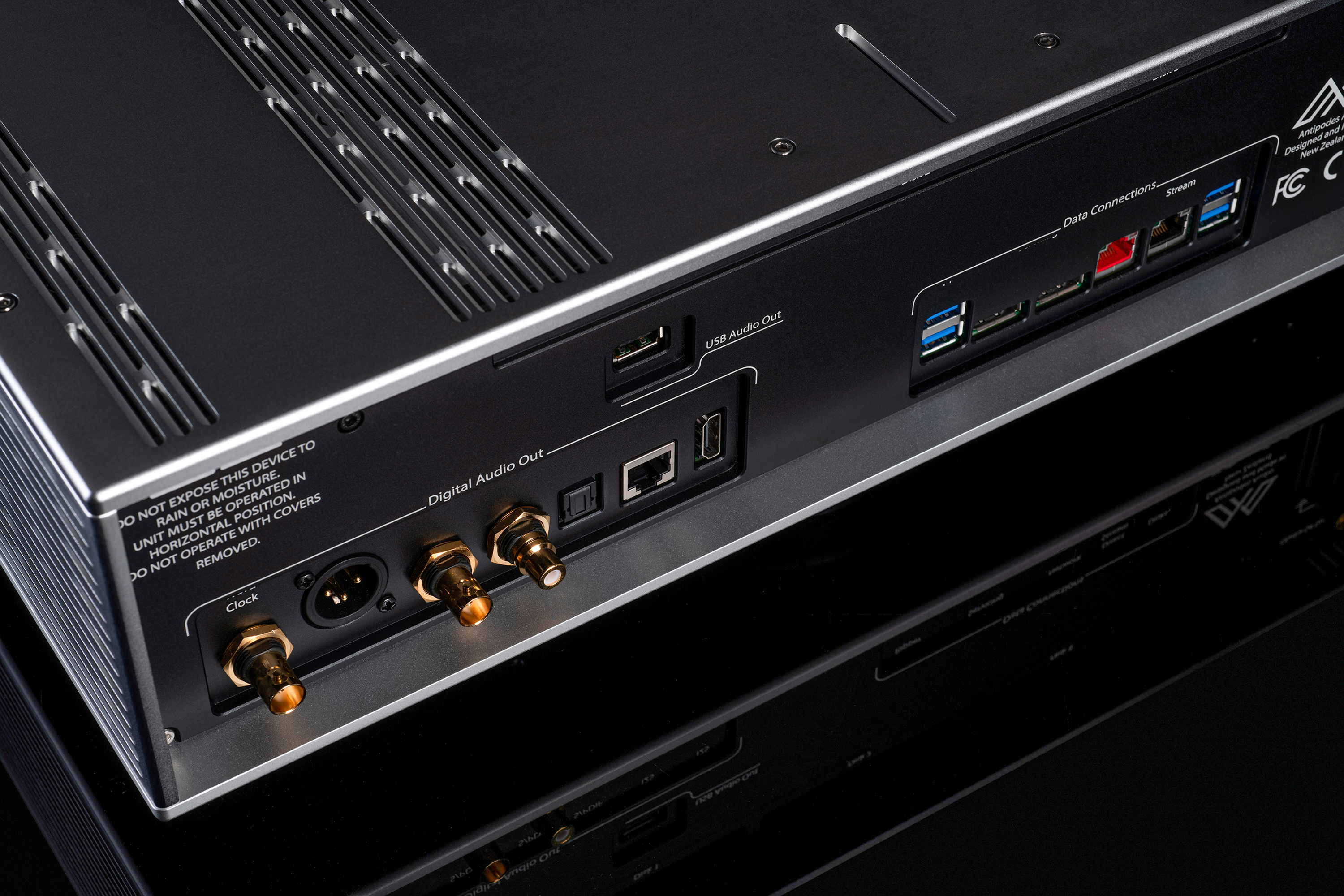
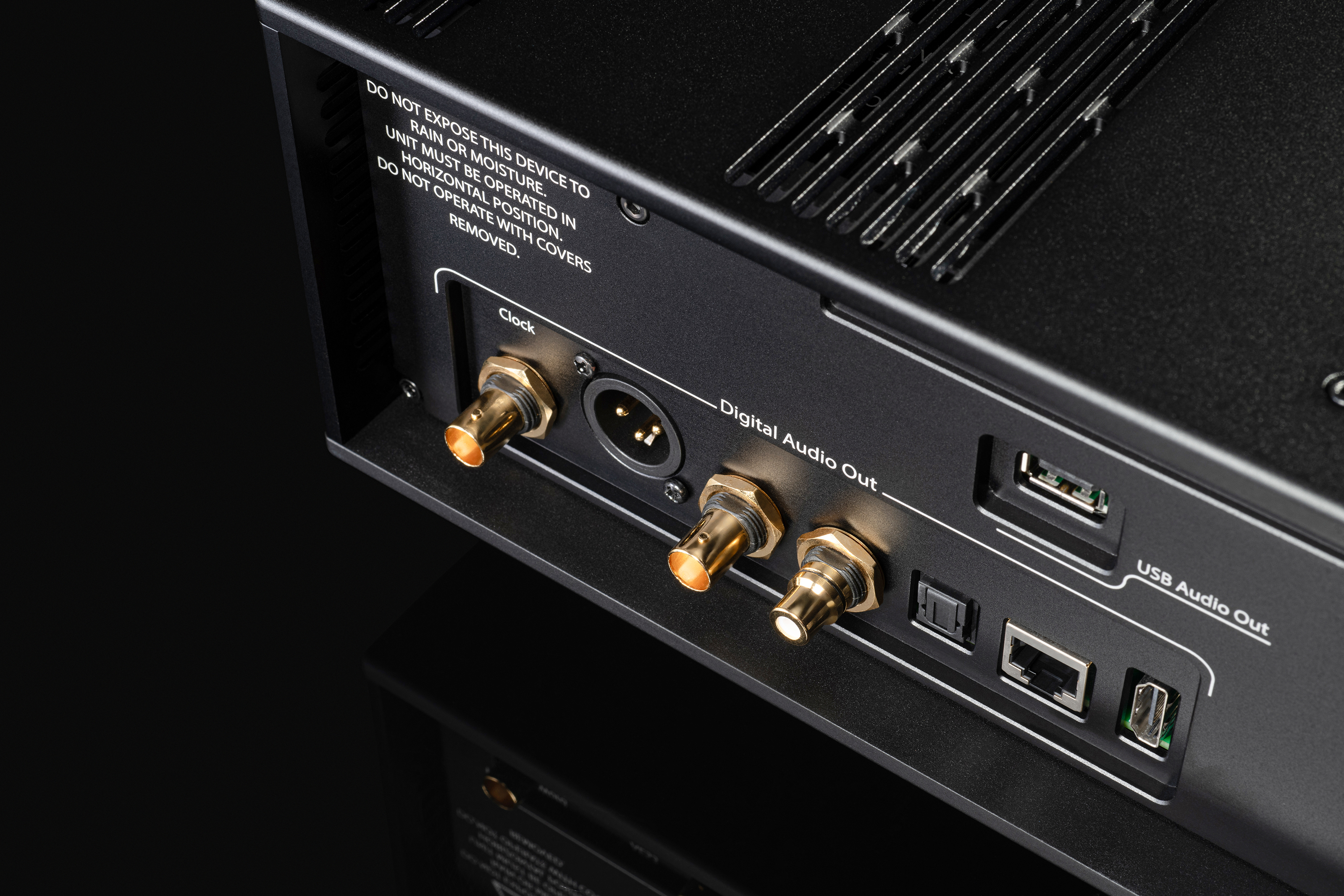
Der Antipode K50 serviert Musik auf allerhöchstem Niveau. Seine vielseitigen Anschlüsse qualifizieren ihn für die Integration in jede Top-Anlage, egal welche Konstellation man favorisiert. Der enorme mechanische und elektronische Aufwand bei exzellenter Verarbeitung setzt Maßstäbe. Wer diesen Antipodes besitzen darf, wird sich zurücklehnen und genießen.
Die musikalische Stärke des Antipodes manifestierte sich beim Langzeit-Hören deutlich in einem Punkt, der zusätzlich zu den beschriebenen Vorzügen entscheidend ins Gewicht fällt: Lästigkeit ist dem K50 absolut fremd. Sein Auflösungs- und Feinzeichnungsvermögen ist stets mit soviel Klangfarbe gespickt, dass man ihm stundenlang zuhören kann oder will. Ihm haftet das gewisse Etwas an, da er feinfühlig und unaufdringlich klangliche Farbpracht, Feindynamik und Detailreichtum miteinander zu verschmelzen versteht.
David von Eleni Karaindrou, ECM 2221, ist ein von Manfred Eicher im Jahre 2010 im Athener Megaron sehr schön und ergreifend produziertes Kunstwerk, in dem Stimmen und die filigrane Instrumentierung gekonnt eingefangen wurden. Jetzt zeigt der K50 gegenüber dem Apple seine Überlegenheit. Der MacMini klingt vergleichsweise wenig gestaffelt, zwar nicht zweidimensional und durchaus auch räumlich, jedoch in der Ordnung auf der imaginären Bühne erheblich weniger differenziert. Ihm fehlte das, was den K50 auszeichnet: die Fähigkeit, den Akteuren einen eigenen klaren Standort zuzuordnen, sie dort präzise ortbar festzuhalten, ihre feinen klanglichen Strukturen hörbar zu machen und sie in ein authentisch wirkendes harmonisches Miteinander einzubinden. So dargeboten, kann Musik ähnlich viel Spaß machen, als würde man sie live erleben, weil der K50 sie in einer faszinierenden Leichtigkeit zelebriert. Der Apple klingt da beinahe gequält. Um solche Unterschiede wahrzunehmen, ist nicht einmal audiophil produzierte Musik notwendig. Der ausdrucksstarke Gesang von Katia Guerreiro und die zwei sie begleitenden Gitarren auf ihrem Album Os Fados do Fado standen viel klarer und ansprechender gezeichnet im Raum. Ich habe noch nie ein digitales Quellgerät besessen oder in meinem Musikzimmer stehen gehabt, wo ich mich so schwer vom Hören und Genießen loseisen konnte. Der K50 ist teuer aber eindeutig überlegen, wenn auch nicht immer und unter allen Umständen mit riesigem Abstand. Vielleicht ist auch sein preisgünstiger Bruder K40 die richtige Wahl, wenn er im Netzwerk spielen soll. Der K50 ist auch dank der Vielseitigkeit seiner Anschlüsse und Software-Auswahl sowie seiner riesigen Bibliotheks-Kapazität überzeugend. Er ist ein großartiger digitaler Grundstein für Musikgenuss auf allerhöchstem Niveau und erspart seinem Besitzer mühsam zu entdeckende Konfigurationen mit separaten Geräten wie Server, Player und externer Clock sowie der gesamten peripheren Verkabelung. Was seinerzeit Ivor Tiefenbrun über seinen Linn LP12 sagte, gilt heute ebenso für den Antipodes K50 : „start at the beginning“
Link do recenzji: Antipodes Kala 50 – Hifistatement
Recenzja Antipodes Kala 50 w Fairaudio
Erster Eindruck: Verdammt, es geht also alles noch mal besser! Der Trost für uns Nicht-Millionäre: Das Ausmaß dieser Verbesserung ist geringer als der erste Schritt vom Laptop hin zum Antipodes S30. Das kann auch gar nicht anders sein, die letzten Zentimeter sind eben erfahrungsgemäß die teuersten, da macht der Antipodes K50 keine Ausnahme.
Doch was wird besser? Wer schon etwas Erfahrung mit unterschiedlichen Musikservern beziehungsweise Digitalquellen gemacht hat, den wird es nicht wundern: Das Detaillierungsvermögen gewinnt und damit einhergehend die feindynamische Akkuratesse – vor allem aber auch das Gefühl der „Echtheit“ der räumlichen Darstellung.
Das Gemeine ist, dass man sich an den Antipodes K50 wirklich gewöhnen könnte. Wechsele ich nämlich wieder zurück zum Innuos Zenith oder zum Antipodes-S30/S60-Gespann, weicht alles irgendwie wieder auf, es wirkt unbestimmter, weniger habhaft-konkret, ja, „matschiger“, wenn man ein kräftiges Wort sucht. Beim live eingefangenen Stück „Con toda palabra“ (Album: Lhasa Live in Reykjavik; auf Amazon anhören) kommt Lhasa de Selas Stimme mit dem K50 wie „geronnen“ rüber, wird felsenfest in den Raum projiziert – während sie mit den anderen Musikservern an den Rändern eben doch aufweicht, so als seien sie sich unsicher, wo genau die Dame denn jetzt zu verorten ist.
Locker genauso beeindruckend ist der schiere Raumgewinn mit dem K50, vor allem nach hinten raus, vor allem an den Rändern dieser tiefen Bühne! Und noch nie habe ich die Publikumsgeräusche und das Klatschen so frappierend realistisch bei diesem Stück wahrgenommen. Normalerweise stehe ich nicht sonderlich auf Liveaufnahmen, ich finde, das Publikum macht meist nur „Noise“, das gibt mir nicht viel – doch hier mit dieser Wahnsinnsmaschine ist’s ein echter Gewinn, denn so gelingt die Illusion des Dabeiseins einfach noch etwas überzeugender.
Was fällt noch auf? Das Ausklingen der Noten, Instrumente, der Geräusche dauert mit dem K50 noch mal ein gutes Stück länger. So gehört nicht nur bei „Con toda palabra“, sondern deutlicher noch bei „Poor little rich boy“ von Regina Spektor (Album: Soviet Kitsch; auf Amazon anhören), die bei diesem Stück mit einem Drumstick einen Stuhl durchgängig rhythmisch bearbeitet: Das Verklingen der „Klack“-Geräusche (sprich: das immer leiser werdende Verhallen im Raum) wirkt mit den anderen Musikservern vergleichsweise fast schon beschnitten, während der Antipodes K50 das einfach sauber und klar durchzieht. Das sind so die Sachen, die den finalen Touch an Realismus ergeben.
Link do recenzji: Antipodes Kala 50 – Fairaudio
Recenzja Antipodes Kala 50 w AV/2D
Ik start met de Noorse Anette Askvik en haar absoluut meesterwerkje ‘Liberty’ uit haar gelijknamig album.
Ik ken dit nummer zeer goed en hoor onmiddellijk een aantal duidelijke verschillen. Op de één of andere manier is Anette’s stem veel aanweziger, lijkt het alsof ze zelf in mijn luisterruimte aanwezig is. Ik hoor details in het timbre van haar stem die ik tot hiertoe nooit gehoord heb. Ook de sax in het nummer krijgt een heel andere dimensie. Om zeker te zijn speel ik het nummer nog eens af met als bron hetzelfde bestand in FLAC via mijn Synology. Oei! Dat had ik beter niet gedaan. Het verschil lijkt nog het meeste op een onscherpe foto. Je weet wat er staat maar je hebt geen detail. Zo ook Anette’s stem, alle zalige details die ik zonet hoorde zijn verdwenen. Alles lijkt vlak, 2-dimensionaal waar de KALA 50 een compleet 3-dimensionaal klankbeeld creëert.
Enige tijd geleden heb ik nog een absoluut meesterwerkje ontdekt. ‘Hotel California’ door de Eagles maar dan in een live versie ‘Live on MTV’ uit 1994. Deze prachtige en unieke opname met een Spaans tintje geeft zowel de stem van Don Felder, de gitaren evenals de verschillende andere instrumenten over het volledige spectrum weer. In dit nummer is er een duidelijk aanwezige bas die op sommige systemen tot een overdreven weergave leidt. Wat de KALA 50 met deze song doet begrijp ik niet. Vanaf de eerste tonen hoor ik een rijkdom en reliëf die totaal nieuw voor me zijn. Het is moeilijk onder woorden te brengen welk verschil je juist hoort, maar het klinkt échter, realistischer en brengt je veel meer in connectie met de muziek. Ik ben een absolute liefhebber van live concerten. Af en toe slaag ik er ook in om vanop het podium concerten mee te beleven. Daardoor weet ik hoe anders muziek op het podium klinkt in vergelijking met hetgeen wat het publiek front-stage hoort. Dezelfde ervaring heb ik met de KALA 50. Hij slaagt erin de muziek weer te geven alsof je er live bij staat. Ik begrijp het opeens ‘Antipodes Audio WAT ONS LEIDT:’ Het enige doel van muziek ‘Is uw emotionele reactie erop’.
Dan even iets rustiger: Chris Jones met ‘No Sanctuary Here’. De gitaar samen met de stem van Chris en de donkere mannenstemmen bereiken een perfecte harmonie. Hier hoor ik ook waar het verschil ligt. De tonaliteit is exact juist, de transparantie en klaarheid van de muziek zijn adembenemend. Hoe de KALA 50 dit klaarspeelt is me een raadsel, maar de speciale voeding voor de individuele onderdelen en de exacte herclocking van het digitale signaal zullen zonder twijfel hun rol spelen.
De Antipodes KALA 50 staat voor een indrukwekkende geluidskwaliteit. Het apparaat levert een breed, diep en dynamisch geluidsbeeld met een zéér hoge resolutie. Dit zorgt voor een realistische en levendige weergave van instrumenten en stemmen, waarbij elk detail wordt blootgelegd zonder afbreuk te doen aan de muzikaliteit. Ik apprecieer de KALA 50 vooral vanwege zijn vermogen om “authenticiteit” en “emotie” in de muziek tot uiting te brengen, met een ongeëvenaarde precisie in zowel de hoge als lage frequenties.
Link do recenzji: Antipodes Kala 50 – AV/2D
Antipodes Kala 50
Nagrody
Antipodes K50 – Stereophile – Recommended Components 2025

Antipodes K50 – Hifi-Advice – Highly Recommended Award

Link: Antipodes K50 – Hifi-Advice – Highly Recommended Award
Antipodes K50 – Stereophile – Recommended Components 2024

Antipodes K50 – Hifi-Advice – HFA Favorite

Imagine my surprise when I noticed that the K50 sounded remarkably energetic! First, I was using its USB output and I figured that this was one of those occasions where the USB interfaces were a rare match, but upon trying the other outputs, and with other DACs, there was no denying it: the K50’s sound has indeed improved! The server has retained its smoothness and organic nature, but now, there is a more energetic bounce in its step, with tighter and faster bass than before, and more clarity across the board.
Antipodes K50 – Stereophile – Recommended Components 2024

Antipodes K50 – Stereophile – Recommended Components 2023

Antipodes K50 – Stereophile – Recommended Components 2023

Antipodes K50 – Stereophile – Recommended Components 2022

Antipodes K50 – Stereophile – Recommended Components 2022

Antipodes K50 – Stereophile – Recommended Components 2021

Antipodes Kala 50
Galeria
Zobacz także

Antipodes Audio
Cennik
Cennik Antipodes Audio
Link: Cennik Antipodes Audio
Antipodes Audio
Dealerzy
Dealerzy Antipodes Audio
Link: Dealerzy Antipodes Audio